


Did you know homes with high energy performance use up to 30% less energy on average? You’re likely weighing lower utility bills, steadier comfort, and smarter tech as you search. The picture isn’t just about insulation or tight envelopes—it’s about measurable performance, future-ready systems, and resale value. If you want fewer drafts, quieter living, and a clear path to upgrades that pay off, there’s more to explore here. Let’s unpack what truly makes a home energy-efficient.
How Does Energy Efficiency Reshape Buyer Priorities?
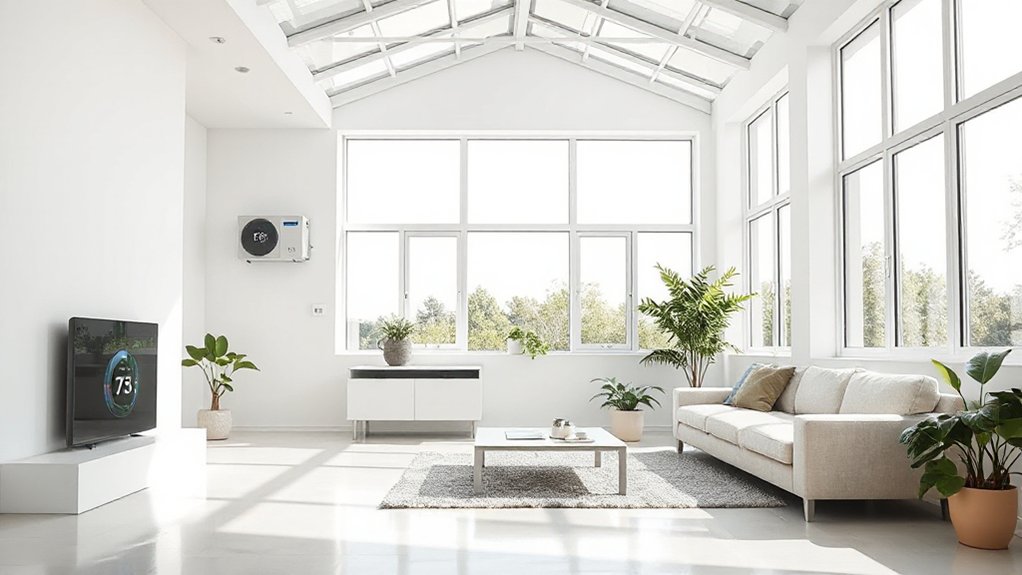
Energy efficiency is increasingly shaping how buyers evaluate homes. You’ll notice priorities shift toward measurable performance, like lower utility bills and stable comfort levels.
Data shows buyers increasingly favor homes with proven energy performance, such as high insulation quality, efficient HVAC systems, and tight building envelopes. You’ll also weigh upfront costs against long-term savings, often requesting third-party audits or energy certificates to compare options quickly.
Renewable energy installations, such as solar panels, become differentiators that improve resale value and energy independence. You’ll value integrated home automation that reduces waste, optimizes climate control, and provides real-time energy monitoring.
In practice, you’ll scrutinize system compatibility, maintenance needs, and potential incentives, ensuring efficiency choices align with lifestyle and budget flexibility.
What Makes a Home Truly Energy-Efficient?
You’ll find that true energy efficiency starts with smart energy systems that optimize usage and monitor performance in real time.
Pair these with efficient building materials that minimize heat loss and reduce embodied energy, and your home becomes markedly more economical to operate.
Together, these elements create a practical framework for evaluating a home’s ongoing energy performance.
Efficient Building Materials
What makes a home truly energy-efficient often comes down to the materials chosen for walls, roofs, and shells. You’ll use insulations with high R-values, air barriers, and vapor retarders to limit heat flow and moisture moves.
Choose dense, low-porosity exterior assemblies that resist convective losses and thermal bridging, like continuous insulation and proper framing techniques.
Favor materials from renewable resources when possible, such as cellulose, wool, or responsibly sourced wood, to reduce embodied energy.
Verify compatibility with building codes and guarantee proper detailing at joints, penetrations, and edges to avoid gaps.
Favor air-tight, well-ventilated designs that maintain indoor comfort while minimizing energy use.
Test assemblies for moisture and fire safety, and document performance data to support code compliance and homeowner expectations.
Smart Energy Systems
1) Renewable integration aligns solar, storage, and grid signals to balance supply and demand efficiently.
2) Energy monitoring tracks usage patterns, highlights anomalies, and guides behavior with actionable insights.
3) Demand-response capabilities automatically shift loads during peak periods to shave peaks and stabilize costs.
4) Predictive maintenance uses data trends to preempt failures, preserving performance and comfort.
Together, these elements deliver consistent comfort, lower energy intensity, and verifiable savings, making smart energy systems a practical cornerstone of truly energy-efficient homes.
Insulation and Airtight Design: The Quiet Cost Savers
Insulation and airtight design quietly save money by reducing heat flow and eliminating drafts, so your home stays comfortable with less energy. You’ll see lower utility bills as well as fewer temperature swings between rooms.
Data show high-R insulation reduces heat loss in winter and heat gain in summer, while airtight envelopes curb infiltration during windy days. Focus on continuous insulation, well-sealed joints, and properly installed weatherstripping to minimize gaps.
Soundproofing benefits often accompany dense, well-sealed assemblies, improving room-to-room comfort and privacy without extra HVAC load.
Be mindful of thermal bridging where framing elements create heat paths; installing continuous exterior sheathing or specialized framing techniques cuts those losses.
Align design decisions with local climate data, performance ratings, and contractor reviews to maximize long-term savings.
HVAC Efficiency and Indoor Air Quality Explained
You’ll start by basics of energy-efficient HVAC systems, including how efficiency metrics and equipment options impact utility bills and comfort.
Consider indoor air quality factors like filtration, ventilation, humidity, and odor control, and how real-world performance aligns with rating labels.
We’ll use diagnostics and performance metrics to evaluate system health, airflow, and IAQ outcomes so you can make informed, practical choices.
Energy-Efficient System Basics
Efficient HVAC systems save money and improve comfort by balancing cooling and heating loads with proper sizing, high-efficiency equipment, and clean indoor air. You’ll see how modest gains compound over time through better performance, lower bills, and steadier indoor temperatures. To get there, focus on fundamentals that drive real results.
1) Sizing and SEER ratings matter: match system capacity to load, then pick efficient compressors and fans.
2) Filtration and airflow: maintain clean filters and balanced ducts for consistent comfort and IAQ.
3) Renewable energy and controls: pair heating/cooling with smart thermostats and solar-ready equipment where possible.
4) Energy audits: baseline assessments identify leaks, insulation gaps, and opportunity spots for efficiency gains.
Indoor Air Quality Factors
Indoor air quality (IAQ) is shaped by how your HVAC system handles air exchange, filtration, and humidity. You benefit from a tight envelope, but you must manage IAQ to avoid tradeoffs.
High-efficiency filtration reduces indoor pollutants without cranking up energy use if you select appropriate MERV ratings for your system.
Keep humidity within a comfortable range to deter mold growth and dust mite activity, which affect comfort and health.
Ventilation strategies matter: balanced systems with controlled fresh-air intake improve IAQ while preserving efficiency, and occasional local exhausts target kitchens and baths.
Regular filter changes, duct sealing, and avoiding cross-contamination between spaces amplify results.
Combine performance data with practical maintenance to sustain healthy, energy-conscious living environments.
Diagnostics and PERFORMANCE Metrics
Curious how to judge an HVAC system beyond label claims? You’ll evaluate diagnostics and performance metrics that reveal real efficiency and air quality impact. Look beyond SEER or ACH ratings and confirm consistency under daily loads, occupancy, and weather. You’ll quantify performance with solid checks and data, not vibes.
- Track standby power and active runtime to gauge true efficiency
- Measure indoor air quality with CO2, PM2.5, and humidity during different conditions
- Compare heat pump or furnace runtime against cooling and heating loads for seasonal alignment
- Assess renewable integration and control systems for grid reliability and potential off grid living benefits
Use these metrics to decide on systems that support durable comfort, Renewable integration, and off grid living realities.
Smart Systems That Cut Bills Without Sacrificing Comfort
Smart home systems can trim energy bills without sacrificing comfort by seamlessly coordinating heating, cooling, lighting, and appliances. You’ll gain tighter control through programmable schedules, occupancy sensing, and variable-speed equipment, which together reduce peak demand and waste.
Data shows thermostat-based automation can lower cooling and heating loads by 10–30% annually, while smart plugs and lighting adjust to actual usage. You’ll also benefit from centralized dashboards that reveal real-time and historical energy patterns, enabling targeted tweaks.
When paired with renewable incentives, upfront costs can be offset, accelerating ROI. Eco friendly landscaping complements the tech by reducing heat gain and enhancing shading, further cutting cooling needs.
The result: reliable comfort, measurable savings, and smarter, long‑term energy planning.
Quick Upgrades That Deliver Big Energy Savings
You can start trimming energy bills quickly with a handful of high-impact upgrades that pay back fast. You’ll see noticeable gains by targeting efficiency at the source and leveraging local programs.
1) Seal gaps and insulate: Prioritize attic and duct sealing to reduce heat loss, cutting cooling and heating loads.
2) Upgrade to efficient HVAC and fans: Modern units use less energy and retain comfort with variable-speed operation.
3) Install smart thermostats and LED lighting: Real-time controls and long-lasting bulbs shrink standby and usage.
4) Tackle windows and appliances strategically: Low-E windows and ENERGY STAR appliances deliver measurable savings.
Renewable incentives and community initiatives can amplify returns, making upgrades more affordable and socially impactful.
Cost vs. Value: Is Going Green Worth It?
Going green isn’t just about lower bills; it’s about weighing upfront costs against long-term value. You’ll compare installation expenses for efficient systems with projected energy savings over time, using real-world data and credible payback estimates.
Consider how Renewable incentives shorten the horizon, improving your-to-value math by lowering initial outlays or increasing returns. Factor in maintenance costs, equipment lifespans, and performance guarantees so you don’t overestimate gains.
Green certifications add credibility, typically signaling quality, durability, and resilience, which can influence resale value and buyer confidence.
While some upgrades pay back quickly, others improve comfort and reliability more than price alone. Your goal is a balanced view: quantify savings, acknowledge non-financial benefits, and decide if the total value justifies the investment for your priorities.
Choosing a Home for Long-Term Energy Performance
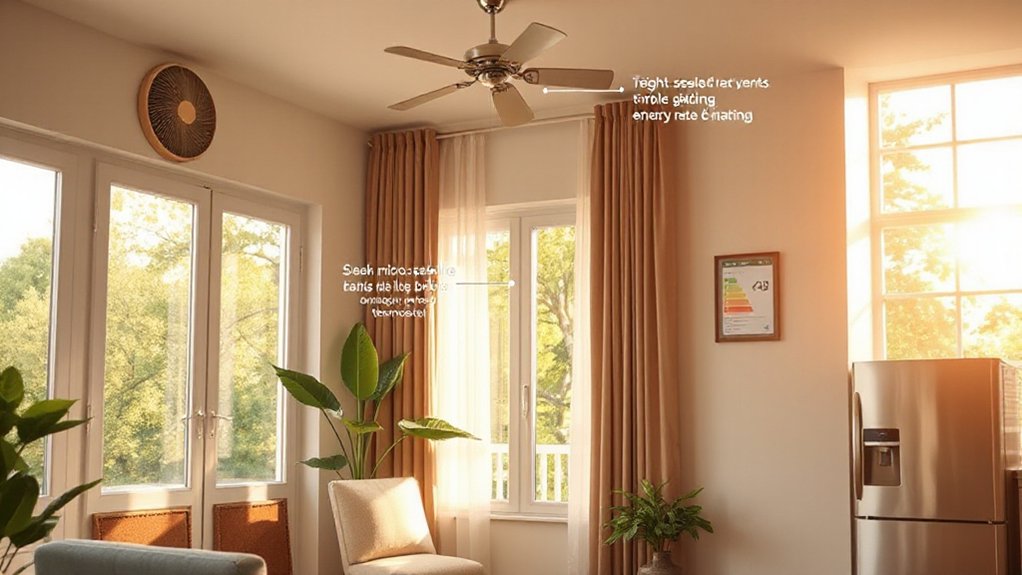
Choosing a home with long-term energy performance starts with measurable indicators rather than promises. You’ll assess efficiency data, not vibes, to avoid surprises down the road.
- Verify insulation R-values and air-sealing performance to reduce HVAC loads.
- Review HVAC efficiency ratings, maintenance records, and refrigerant lifecycle costs.
- Examine solar readiness, battery potential, and grid interaction for future value.
- Compare utility histories, rebound effects, and potential weather-adjustment savings.
Beyond numbers, factor in home aesthetics and neighborhood amenities, since sustainable performance should endure with daily life. You’ll prefer a layout that minimizes thermal gaps and supports durable finishes, while a walkable neighborhood supports reduced energy use through shared resources.
With clear metrics, you’ll choose a property that stays efficient as conditions change, not just today’s trends.
Conclusion
Energy efficiency isn’t just a trend—it reshapes what you value in a home. Look for airtight construction, high-performance insulation, and an efficient HVAC system to keep bills predictable. Smart controls and solar-ready wiring add long-term resilience, while eco-friendly landscaping boosts value. One striking stat: homes with strong insulation and air sealing can cut energy use by up to 30% annually. Prioritize measurable performance, and you’ll buy comfort, savings, and future-proofing in one smart package.


