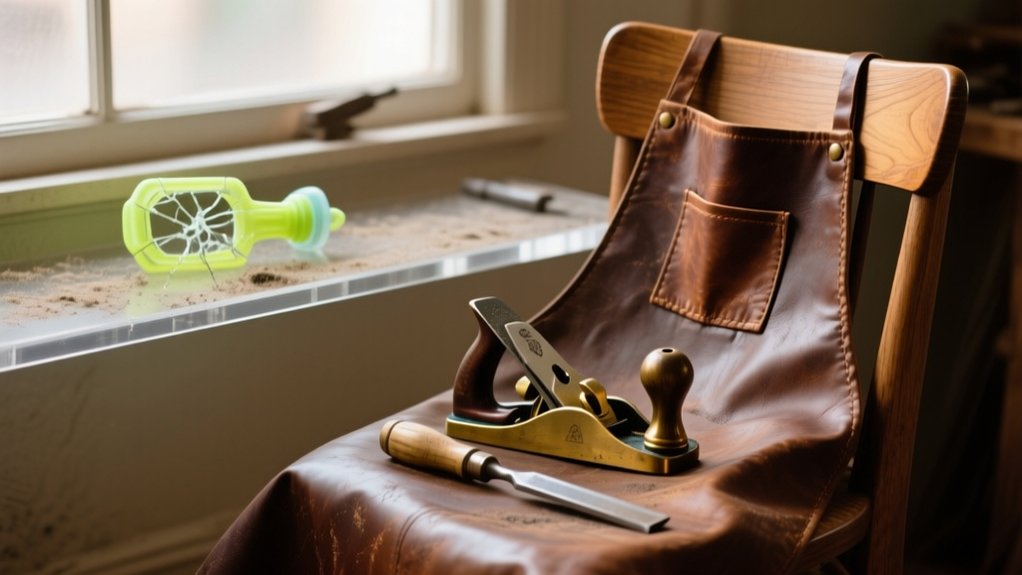

Authentic materials outlast passing trends because you’re investing in real structure, not a surface effect. Solid wood, full-grain leather, natural stone, wool, and honest metals breathe, insulate, and handle wear in predictable ways. They develop patina, accept refinishing, and stay repairable with standard hardware and skilled workmanship. Faux options rely on coatings, bonded layers, or prints that crack, peel, and can’t be restored. Keep going to see how each material performs over time.
What Are Authentic Materials?
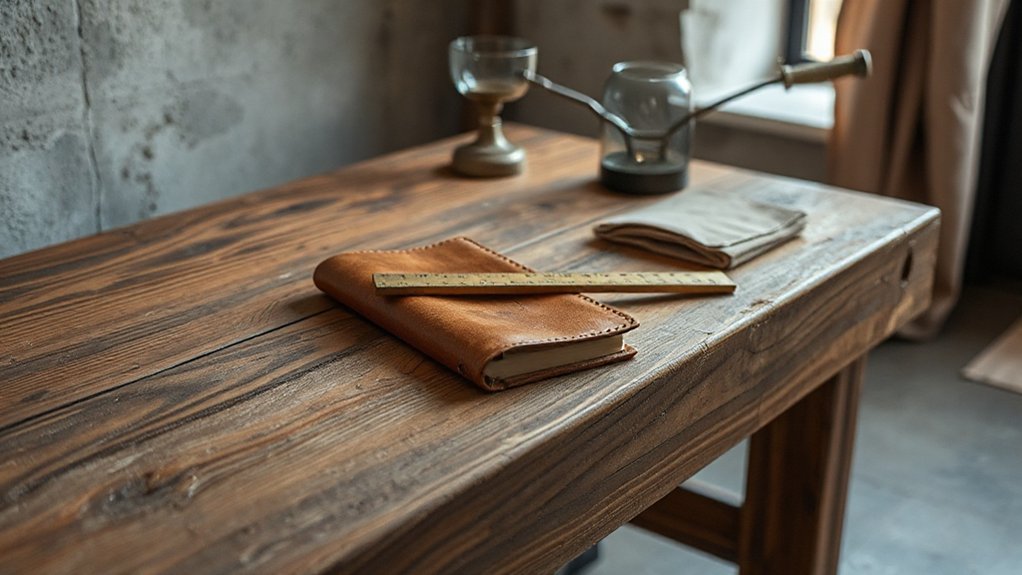
Although design trends come and go, authentic materials stay relevant because they’re the real thing, not a printed imitation or a superficial coating. You’re working with substances valued for inherent structure, texture, and performance: solid wood, full-grain leather, natural stone, clay brick, cast metal, wool, and linen.
Authenticity means the material’s surface matches its core, so it wears, patinas, and repairs in ways consistent with its nature. You can specify them for longevity, thermal mass, breathability, and tactile comfort, not just appearance.
Their Historical significance shows up in proven building traditions and craft methods that evolved around local resources. Their Cultural relevance matters because communities recognize these materials as honest, place-based markers of identity and stewardship.
How to Tell if a Material Is Authentic
You can spot authentic material by inspecting craftsmanship up close: look for consistent grain, clean edges, tight stitching, and hardware that feels solid instead of plated or flimsy.
Then verify the source—ask who made it, where it was processed, and whether the supplier can provide traceable documentation.
Finally, confirm certifications that match the material category (e.g., FSC for wood, GOTS for organic textiles, Responsible Jewellery Council for metals) and treat missing or vague paperwork as a red flag.
Check Craftsmanship And Details
Before you trust a label or a trending claim, inspect the craftsmanship—because authentic materials rarely hide behind sloppy construction.
Start with seams: stitches should be even, tight, and backtacked at stress points, not loose or skipping. Check edge finishing; raw, fraying cuts signal shortcuts.
On leather goods, look for burnished edges and consistent grain across panels, not plastic-looking embossing.
On knits, examine ribbing recovery and pattern alignment at joins.
Hardware tells the truth: smooth zippers, solid rivets, and cleanly set snaps beat flimsy plating.
Ask what Craftsmanship techniques were used and whether the build matches them.
Finally, connect details to Material sourcing: well-sourced hides, fibers, and woods usually justify precise, patient construction.
Verify Source And Certifications
Where did the material actually come from—and can anyone independent verify it? Start with Material sourcing: ask for chain-of-custody documents, mill or tannery IDs, lot numbers, and invoices that match what you’re buying. If the seller can’t name the origin facility, assume it’s marketing, not proof.
Next, confirm Certification standards. Look for recognized third-party programs relevant to the material—FSC for wood, GOTS for organic textiles, RWS for wool, Responsible Leather/ISO-aligned audits for hides, or recycled-content verification. Don’t accept logos alone; check certificate numbers against the issuing body’s public database, verify scope (product category, facility, dates), and confirm it covers the exact item, not a different line.
Finally, keep the paperwork; authentic materials come with traceable records.
Why Authentic Materials Beat Trends
Why do authentic materials keep winning when trends burn out? You feel it the moment you touch them: density, grain, weight, and a finish that improves with use. Fashion trends push quick novelty, but authentic fibers and leathers anchor your wardrobe because they perform, repair, and age predictably.
Material innovation helps too—better tanning, weaving, and blends can enhance durability without faking character. When you choose the real thing, you buy fewer replacements and you style around it for years.
- A wool coat that drapes cleanly in cold air
- Full-grain leather that darkens where your hand rests
- Solid wood that shows warm, tight rings at the edges
- Natural stone with faint veins that catch morning light
- Heavy cotton that softens while keeping its structure
Authentic vs Faux: What You Really Get
Although faux options can look convincing under store lighting, you get a very different performance profile once you live with them.
Authentic leather, wool, cotton, and wood deliver predictable breathability, insulation, tensile strength, and repairability because their fibers and grain carry load instead of relying on surface coatings.
With material imitation, you often pay for a finish: polyurethane layers, bonded scraps, or printed patterns that can trap heat, resist conditioning, and limit stitching hold.
You’ll notice it in grip, drape, noise, and comfort across temperature swings.
Authentic materials also accept tailoring, resoling, reweaving, or refinishing, so you can restore function rather than replace the item.
When Fashion trends shift, you still want dependable performance, not clever mimicry under bright retail lights.
How Authentic Materials Age Over Time
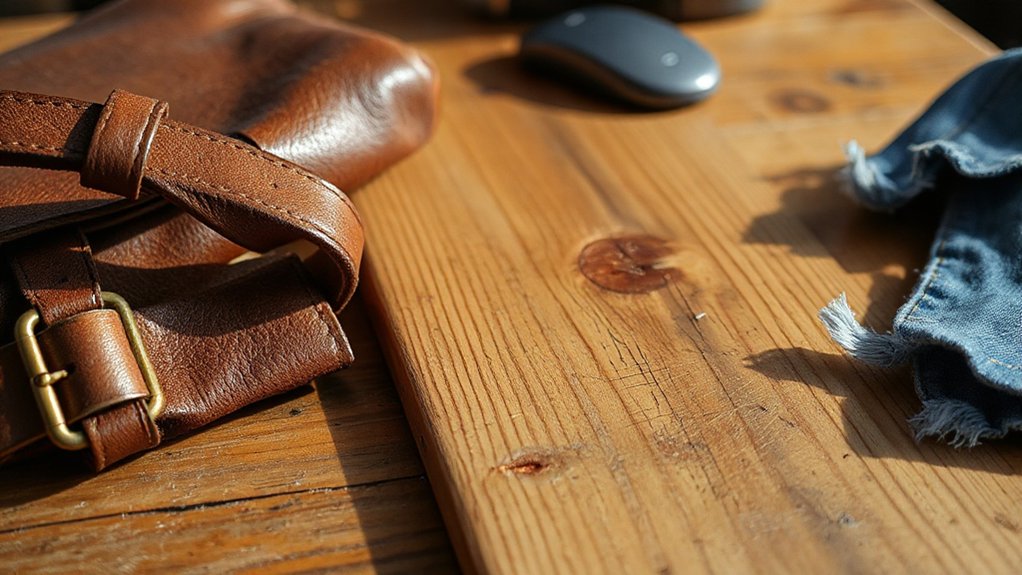
When you choose authentic materials, you’ll watch patina build in the high-touch areas, adding character instead of looking worn out. Natural wear compresses fibers, smooths edges, and deepens tone, so the surface tells a consistent story rather than peeling or flaking.
You also get durability that’s proven over years of use, because the material wears through honestly and can often be cleaned, conditioned, or refinished.
Patina And Character Growth
Over time, what happens to a material once it leaves the showroom and starts doing real work in your space? You’ll see patina build as a visible record of touch, light, air, and cleaning routines. That’s where Vintage charm shows up, and surface authenticity becomes unmistakable—because the material changes in honest, predictable ways you can read and manage.
- Leather deepens in tone where hands rest most
- Brass warms, then darkens along edges and pulls
- Wood grain gains contrast as oils migrate and settle
- Stone develops soft luster where you wipe and walk
- Linen relaxes, creases, and brightens at fold lines
Choose finishes you can recondition, not conceal, and you’ll guide character growth without erasing it.
Durability Through Natural Wear
As authentic materials take daily hits from footsteps, heat, moisture, and cleaning, they don’t “wear out” so much as wear into a tougher, more stable surface. Solid wood fibers compress and harden, leather’s grain tightens, and stone’s micro-scratches blend into a resilient sheen you can maintain with simple re-oiling or sealing.
You’ll see performance improve because these materials respond predictably: they expand, contract, and settle without delaminating like veneers or chipping like brittle coatings.
When you choose Eco friendly sourcing, you also get denser, better-cured stock and fewer weak chemical layers that fail early. This durability carries Cultural significance, too—aged oak, copper, and clay tell a truthful timeline, so repairs stay honest, not hidden.
How to Spot Quality (Wood, Stone, Leather, Metal)
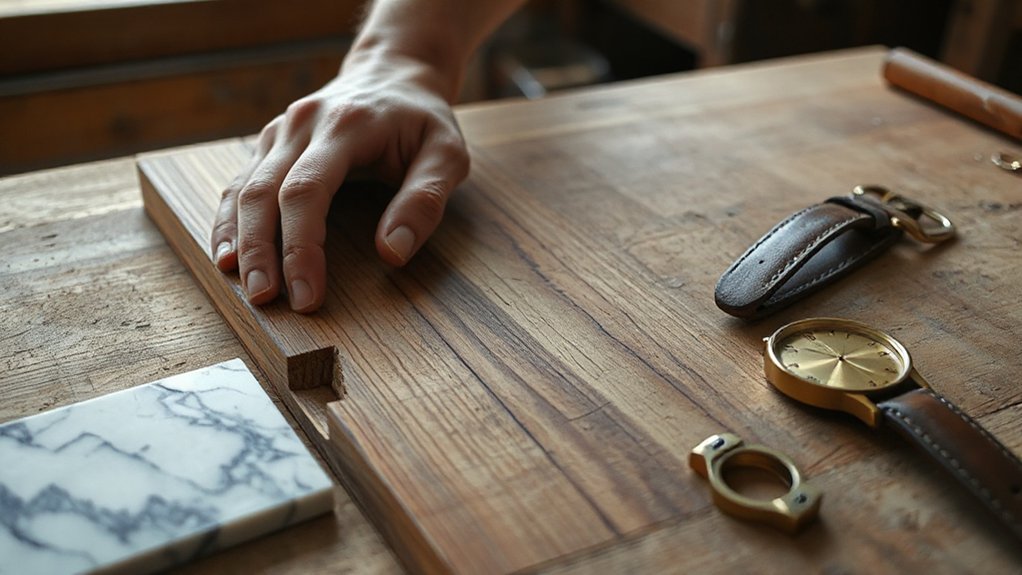
Four quick checks can tell you if wood, stone, leather, and metal will age beautifully or fail fast: look at grain and joinery in wood, density and finish integrity in stone, fiber structure and edge treatment in leather, and weight, welds, and coating quality in metal—then verify consistency across hidden areas (undersides, cut edges, and seams) where shortcuts show up first.
Demand Sustainable sourcing and Ethical craftsmanship by asking for species, quarry, tannery, and mill documentation, not slogans.
Use your senses and a flashlight:
- Wood: tight, even grain; no filler streaks at mortises
- Stone: crisp arrises; no cloudy sealant pooling
- Leather: visible fibers at cut edge; no plastic film
- Metal: uniform bead lines; no pinholes or spatter
- Hidden faces: matching color, finish, and thickness
How Authentic Materials Handle Heat, Water, and Wear
Although trends chase pristine finishes, authentic materials earn their reputation when heat, water, and daily abrasion test them. Solid wood handles warmth when you use trivets and keep finishes maintained; small scorch marks sand out instead of delaminating like veneers.
Natural stone resists heat well, but you’ll seal it to slow staining and stop water from wicking into pores.
Full-grain leather takes scuffs as patina, and you can condition it after drying to prevent cracking.
Stainless and brass shrug off humidity; you’ll wipe them down to avoid mineral spotting and corrosion at joints.
With Sustainable sourcing, you get denser, better-cured stock that moves less. Their aesthetic versatility lets honest wear look intentional, not like failure.
The Real Lifetime Cost of Authentic Materials
When you price authentic materials, you can’t stop at the sticker—you need total cost of ownership across years of use, maintenance, and replacement cycles.
You’ll spend less over time when components are repairable and built for longevity, because you fix or refinish instead of rebuying.
You also protect resale value, since real wood, leather, stone, and metal retain value and show honest wear that buyers trust.
Total Cost Of Ownership
How much does that “premium” finish really cost you over the next 10, 20, or 50 years? Total cost of ownership isn’t the sticker price; it’s every dollar you’ll spend to keep a space looking intentional as Fashion trends and design aesthetics shift.
Authentic materials usually win because they age consistently, so you don’t pay to chase mismatched surfaces, special cleaners, or frequent refinishing cycles.
- A stone countertop that needs only routine sealing
- A solid-wood door that accepts simple cleaning products
- A leather chair that keeps color without constant conditioning
- A brass fixture that develops an even patina, not blotches
- A wool rug that resists crushing and stains with basic care
Add up maintenance time, consumables, labor rates, and downtime—you’ll see the real number.
Repairability And Longevity
Because every interior takes hits—sunlight, spills, scuffs, humidity—the real lifetime cost comes down to what you can repair instead of replace.
Choose solid wood, stone, and full-grain leather because they accept refinishing, regrouting, sanding, oiling, and patching without losing integrity. When a surface shows wear, you restore the finish; you don’t landfill the core material.
Prioritize hardware you can tighten, hinges you can re-pin, and joinery you can re-glue. Ask for spare tiles, matching stain codes, and documented care schedules so maintenance stays predictable.
Sustainable sourcing matters here: responsibly harvested timber and quarried stone remain serviceable for decades.
Ethical craftsmanship matters, too: precise fits, stable substrates, and repair-friendly fasteners mean fewer failures and easier fixes over time.
Resale And Retained Value
Repair-friendly finishes keep a home looking good year after year, but resale value rewards what buyers can see and verify: real materials with a track record. When you choose solid wood, stone, brick, or cast metals, you’re buying retained value, not just a surface. Appraisers and buyers discount laminates and thin veneers because they can’t be refinished and they telegraph shortcuts.
Authentic materials also document Sustainable sourcing and Cultural significance, which strengthens listing narratives and inspection confidence.
Picture what sells fast:
- honed stone counters with quiet patina
- hardwood floors ready for one more sanding
- brick that reads “original,” not “applied”
- aged brass hardware you can polish, not replace
- tight grout lines over real tile, not printed sheets
Pay more once, then recoup more when you exit.
Solid Wood: Where It Wins (and Where It Doesn’t)
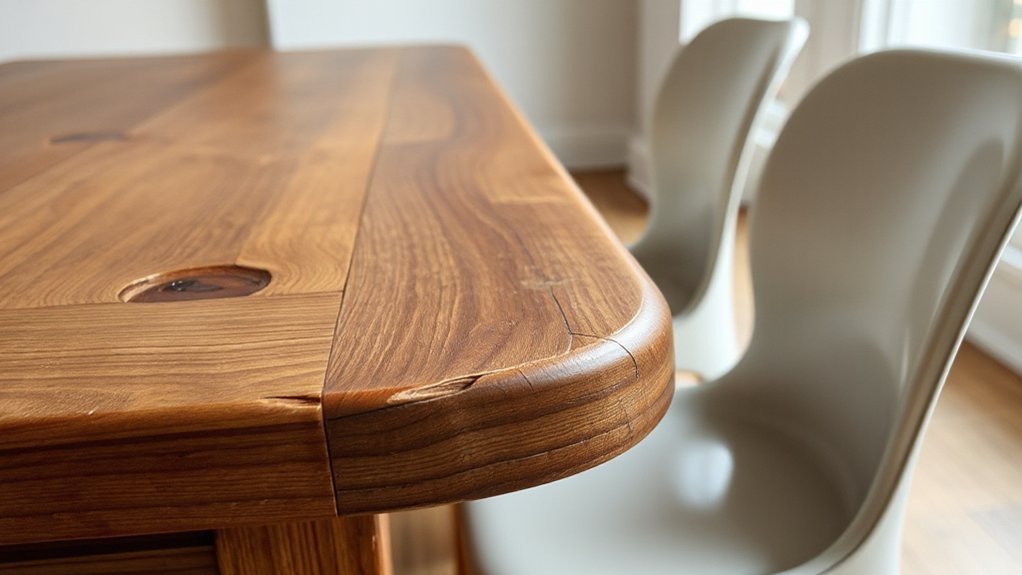
While trends cycle from glossy lacquer to matte paint, solid wood keeps earning its place by doing a few things better than almost any alternative—and falling short in a couple of predictable ways. You get real structural strength, crisp joinery, and repairability; scratches can be sanded out, edges can be refinished, and fasteners hold without crumbling.
Its design versatility also matters: you can stain, oil, paint, or leave it raw, and it still reads intentional.
But you’ll need to respect movement. Wood expands and contracts with humidity, so you must allow gaps, choose stable cuts, and seal evenly.
You’ll also face sourcing challenges—species availability, legality, and consistent grain matching—so verify certifications and plan lead times.
Natural Stone: Durability, Stains, and Maintenance
Natural stone earns its reputation the moment you put it into daily service: it shrugs off heat, takes abrasion well, and can last decades when you choose the right type and finish. You’ll see Natural patterns stay rich under light and wear, while Surface textures add grip and depth.
- A honed granite counter that laughs at hot pans
- A marble sill with subtle etching from citrus
- A leathered slate floor that hides scuffs in shadow
- A sealed limestone backsplash beading water after cooking
- A dark soapstone top deepening with oil and touch
You prevent most stains by sealing porous stones on schedule and wiping spills fast. Use pH-neutral cleaners, skip acids and bleach, and reset protection with a penetrating sealer when water stops beading.
Wool and Leather: Comfort, Patina, and Care
Even if your space changes around them, wool and leather keep getting better because they regulate comfort and record use in a way synthetics can’t. Wool breathes, buffers humidity, and resists odor, so your rug or upholstery stays usable through seasons without feeling clammy. Choose dense weaves and high-twist yarns, and vacuum with suction only; blot spills fast with cool water and mild soap.
Leather adapts to your body and develops patina instead of peeling. Pick full-grain hides, avoid bonded leather, and condition lightly every 6–12 months; keep it out of direct sun and heat vents.
Prioritize Sustainable sourcing and Ethical craftsmanship—traceable wool, vegetable-tanned leather, and responsible finishes—so longevity doesn’t come at hidden cost.
Metals and Hardware: The Small Details That Last
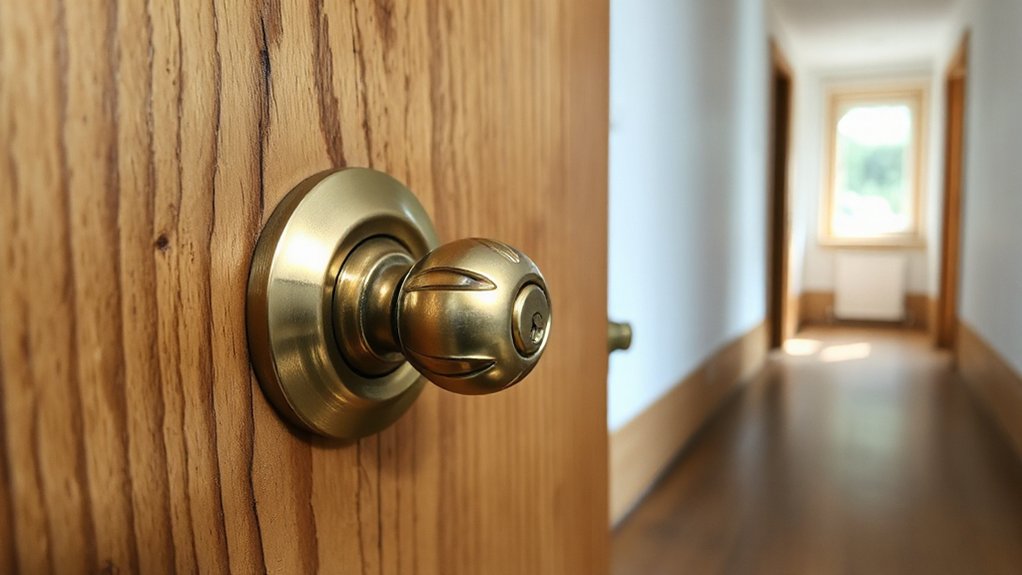
Textiles and leather set the tone for comfort, but the parts you touch every day—hinges, pulls, latches, and chair glides—decide whether furniture still feels solid years later. Choose hardware like you’d choose a tool: for load, wear, and repairability. Solid brass, stainless, and forged steel age honestly; plated pot metal flakes, loosens, and stains.
- Cool brass that warms under your thumb
- A tight hinge pin that doesn’t wobble
- A latch that clicks, not rattles
- A glide that whispers across wood floors
- Screws that bite deep, not strip
These details carry Cultural significance—think workshop traditions—and strong Material symbolism, signaling permanence. Specify standard sizes, exposed fasteners, and serviceable parts, and you’ll keep function and feel intact for decades.
Frequently Asked Questions
Are Authentic Materials Ethically Sourced and Environmentally Responsible?
They can be, but you must verify. Prioritize Sustainable sourcing with traceable supply chains, third-party certifications, and audited labor standards. Choose Ethical craftsmanship that reduces waste, uses low-tox finishes, and supports fair wages.
Do Authentic Materials Increase Resale Value for Homes or Furniture?
Yes, you’ll often boost resale value with authentic materials, since buyers pay for durability, provenance, and timeless appeal. You add Vintage charm while keeping Modern versatility, and you’ll justify higher pricing, faster sales, fewer concessions.
Which Authentic Materials Are Safest for Allergy-Sensitive Households?
For allergy-sensitive households, you’ll sleep easier choosing solid hardwood, natural stone, and glass—quiet heroes. Prioritize natural textures, and insist on chemical free finishes. You’ll also prefer organic cotton, wool, and low-dust cork.
Can Authentic Materials Be Repaired Locally, or Require Specialty Artisans?
You can often handle authentic materials through local repair, but complex joinery, finishing, or heritage techniques need artisan expertise. You’ll save time by using local pros for basics and specialists for restorations.
How Do Authentic Materials Perform in Commercial or High-Traffic Spaces?
You’ll find authentic materials excel in high-traffic commercial spaces; the theory holds when Durability testing confirms abrasion resistance, patina, and load performance. You’ll also gain Design versatility, because finishes age gracefully and maintain function under use.
Conclusion
When you choose authentic materials, you’re not just decorating—you’re building a home that could outlive a dozen trend cycles without breaking a sweat. You can spot the real thing: honest grain in solid wood, weight and veining in stone, resilient wool, leather that deepens, and hardware that stays tight. Faux may look “perfect” today, but it chips, peels, and dates fast. Buy real, care for it, and it only gets better.