
You create a sense of place by designing from your site outward. Map light and views, then plan zones around how you actually cook, work, arrive and rest. Choose breathable, responsibly sourced materials that suit the UK climate and local craft—Welsh slate, gritstone, Scottish larch—used with restraint, not token motifs. Build colour from landscape neutrals, then add measured accents. Finish with meaningful objects, texture and patina, and there’s more to explore next.
Define “Sense of Place” in Interior Design
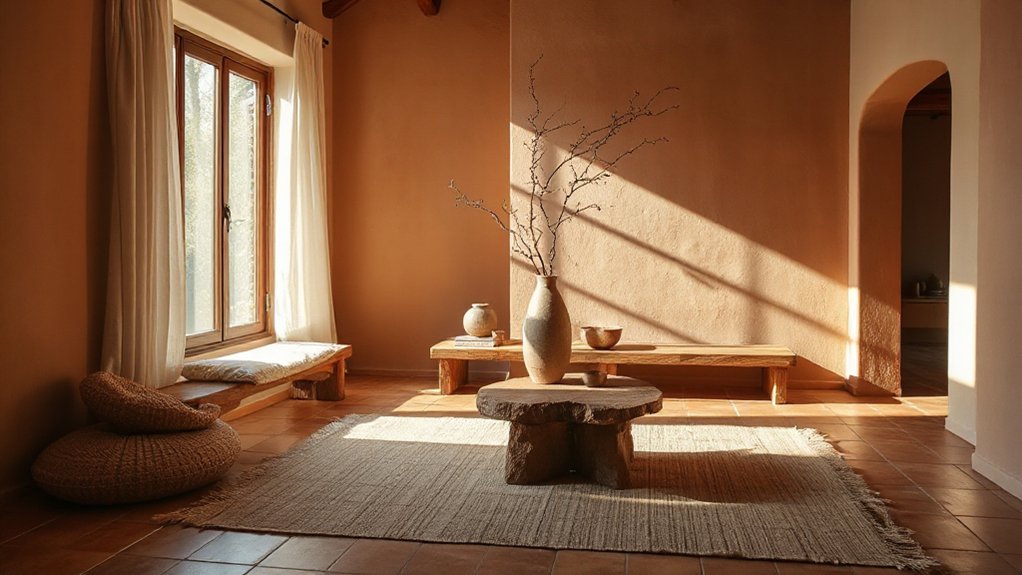
Although “sense of place” can sound like a poetic add-on, in interior design it means the deliberate creation of an environment that feels rooted in its specific location, culture, and context. You achieve it when every decision—from layout to joinery profiles—supports contextual storytelling rather than generic trend-led styling.
You start by identifying what’s genuinely local: historic typologies (Victorian terraces, Edwardian villas, converted mills), regional craft, and the social rituals of how people live. Then you translate those cues into materials, colours, proportions, and detailing that read as inevitable for that setting.
Cultural authenticity matters: you reference place without pastiche, avoid token motifs, and specify responsibly sourced elements that align with local heritage bodies and UK building constraints. Done well, the interior feels quietly inevitable, not themed.
Read the Site: Light, Views, and Climate
Where does the sun actually travel across the rooms, and what do you see when you’re standing at the key thresholds? Start by mapping daylight hour by hour; in the UK, low winter sun and long summer evenings change glare, warmth, and shadow. Note which elevations catch morning light versus harsh western rays, then tune glazing treatments accordingly. Prioritise natural lighting without bleaching finishes: consider sheer linens, solar-control film, and pale limewash that holds depth.
Next, frame scenic views with intent. Align sightlines to a garden, mature tree, or distant ridge, and avoid placing tall joinery where it blocks the horizon.
Finally, read the microclimate: prevailing south-westerlies, damp corners, and salt air. Choose breathable materials and plan ventilation to suit them.
Plan the Layout to Fit Your Daily Life
Before you move a single wall on plan, track how you actually live through the house from morning kettle to last lock-up. Note pinch points: the school-run pile-up by the back door, the awkward turn from hob to sink, the late-night route to the loo. Build the layout around these habits, not idealised magazine vignettes.
Set clear zones: prep, eating, working, lounging, and arrivals. Use furniture arrangement to protect circulation—aim for 900mm walkways, keep sightlines to the garden, and place seating where conversation feels natural.
Treat storage solutions as part of planning: a broom cupboard near the kitchen, a boot bench with drawers in the hall, and tall larders that reduce clutter on worktops. Test layouts with tape on the floor, then revise.
Choose Materials That Echo Your Location
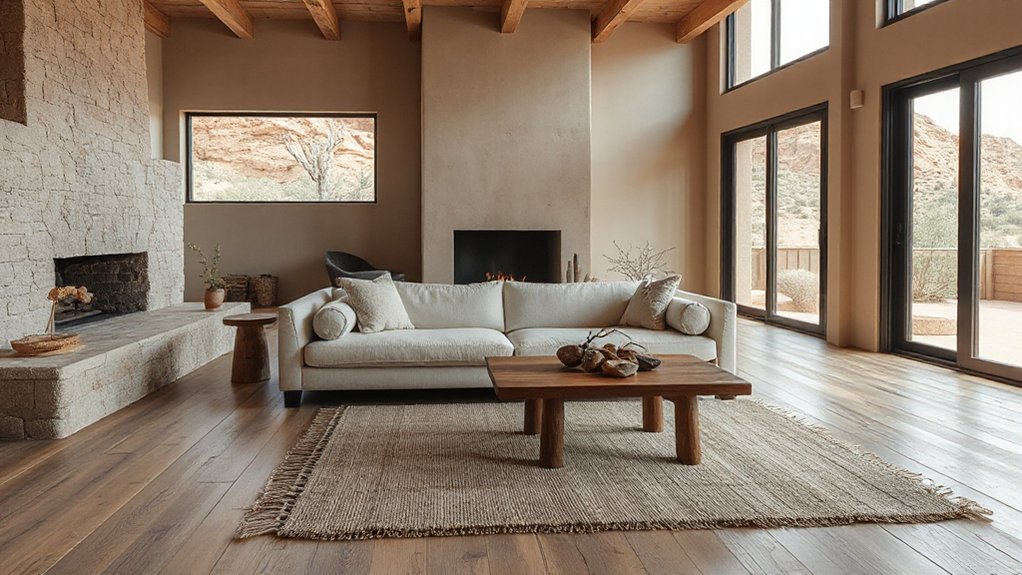
How can your home feel rooted to its setting the moment you walk in? Start with materials that belong to your region and they’ll quietly do the heavy lifting. Prioritise local material sourcing: Welsh slate for a hearth, Peak District gritstone as a threshold, Scottish larch for joinery, or Cornish clay tiles in a boot room.
You’ll cut transport impacts and gain surfaces that weather and patinate as the local climate intends.
Then layer in cultural symbolism through craft and finish. Choose hand-thrown ceramics from nearby studios, woven wool from British mills, or lime plaster where older terraces demand breathability.
Ask merchants for provenance, quarry batch, and FSC chain-of-custody. Match grain, pore, and tool marks to your building’s era so additions feel inevitable, not imported.
Build a Sense of Place With Color
You’ll strengthen your home’s sense of place by choosing a colour palette that reflects your region, from coastal chalky whites and sea-greens to Pennine greys and warm Cotswold stone tones.
Start with layered neutrals that suit the local light, then introduce controlled accents—heritage reds, muted blues, or brass—where you want the eye to land.
Keep the balance intentional so the scheme feels grounded in its setting rather than generic.
Regional Palettes And Hues
Although materials and forms set the structure, colour often does the heavy lifting when it comes to place. To make a room feel rooted, you’ll read your region’s light, landscape, and building stock, then translate them into Regional color schemes that feel inevitable rather than themed.
You’ll also respect Cultural influences—local crafts, migration patterns, and civic history—so your palette reflects lived context, not cliché.
- In Cornwall, pull from sea-glass greens, slate blues, and weathered whites under strong coastal glare.
- In the Highlands, choose peat browns, heather purples, and damp-stone greys to suit low, cool light.
- In London terraces, echo stock-brick warmth with ironwork blacks and heritage greens.
- In Yorkshire mills, lean into soot-dark charcoals and industrial reds, tempered by daylight from tall sashes.
Layered Neutrals With Accents
When a strong regional palette risks feeling overdetermined, layered neutrals give you a quieter framework that still reads as local. Start with a neutral palette drawn from British materials: chalky off-whites, putty, oat, and warm greys that echo plaster, limestone, and weathered timber.
Then vary undertones room to room—cool in north light, warmer in south—so it feels intentional, not flat.
Build depth through texture rather than colour: wool bouclé, brushed oak, aged brass, and honed stone. Keep large planes calm, then place accent details where the eye naturally lands: a foxed-mirror frame, smoked-green joinery, a terracotta lamp base, or indigo cushions.
Limit accents to two or three notes, repeat them quietly, and you’ll get place without pastiche.
Style Meaningful Objects Without Clutter
To create a sense of place without visual noise, treat meaningful objects as curated accents rather than a running inventory. Edit first: choose pieces with a clear story—your Cornish pottery, a framed ticket, a heirloom clock—then give each one breathing room.
Keep meaningful decor in small, deliberate groupings and repeat materials to unify the scene. Use intentional object placement to guide the eye: anchor one hero item, then support it with quieter companions.
- Limit displays to odd numbers (three or five) on a mantel or console
- Use trays to contain smaller keepsakes and stop visual sprawl
- Vary height with books, plinths, or slim candleholders, not extra items
- Leave 30–40% of the surface clear, especially in smaller UK rooms
Add Texture and Patina for a Lived-In Feel
Even if you’ve kept the palette calm and the surfaces edited, a room can still feel flat without texture and a touch of patina. Build Textural contrast by pairing matte limewash with oiled oak, nubby wool with crisp linen, and honed stone with glazed ceramic. You’re aiming for quiet variation that reads as intentional, not busy.
Choose materials that wear well in the British climate and daily routines: bridle-leather handles, aged brass switches, and vintage rugs that soften acoustics in draughty terraces.
Let Authentic surface aging show where hands land—on bannisters, drawer pulls, and tabletop edges—rather than forcing distressing. Add one grounded anchor, such as a reclaimed elm console or rattan armchair, then repeat that texture in smaller touches.
Frequently Asked Questions
How Do I Create a Sense of Place in a Rental Without Renovations?
Layer removable changes: personalised decor, meaningful details, and cohesive colour. Use peel-and-stick wallpaper, renter-friendly hooks, and washable rugs. Add lamps, textiles, and local prints. You’ll anchor rooms with scent, greenery, and curated shelves.
What’s the Best Way to Balance Trends With Timeless, Location-Based Design?
You balance trends with timeless, location-based design by anchoring to local materials, proportions, and cultural influences, then layering seasonal updates through textiles, colour, and lighting. You’ll keep trend pieces small, swappable, and UK-sourced.
How Can I Make an Open-Plan Space Feel Intimate and Grounded?
Start by carving out zones—don’t put all your eggs in one basket. Use furniture placement to create conversational islands, then anchor them with rugs. Prioritise material selection: oak, wool, linen, and warm lighting.
What’s a Realistic Budget Range for a Full Sense-Of-Place Interior Refresh?
You’ll typically budget £150–£400/m² for a refresh, or £8k–£25k for a 60m² UK flat. Tighter budget planning, smart material selection, and keeping existing layouts control costs; joinery and lighting drive spend.
How Do I Collaborate With a Designer to Capture My Home’s Story?
You’ll capture your home’s story by sharing artefacts, routines, and memories in a structured brief—what matters most to you? Bring images, floorplans, and budget; discuss personal storytelling, cultural influences, and agree milestones, samples, and sign-offs.
Conclusion
You’ve created a sense of place by balancing contrasts: bright south-facing light with cosy corners, clean circulation with lived-in pauses. You’ve planned for weekday rushes and slow Sunday teas, letting the layout follow your routines. Materials nod to where you are—oak, slate, linen—while colour echoes shifting British skies. You’ve styled keepsakes with restraint, not clutter, and added texture and patina so the room feels intentional, not staged, distinctly yours.