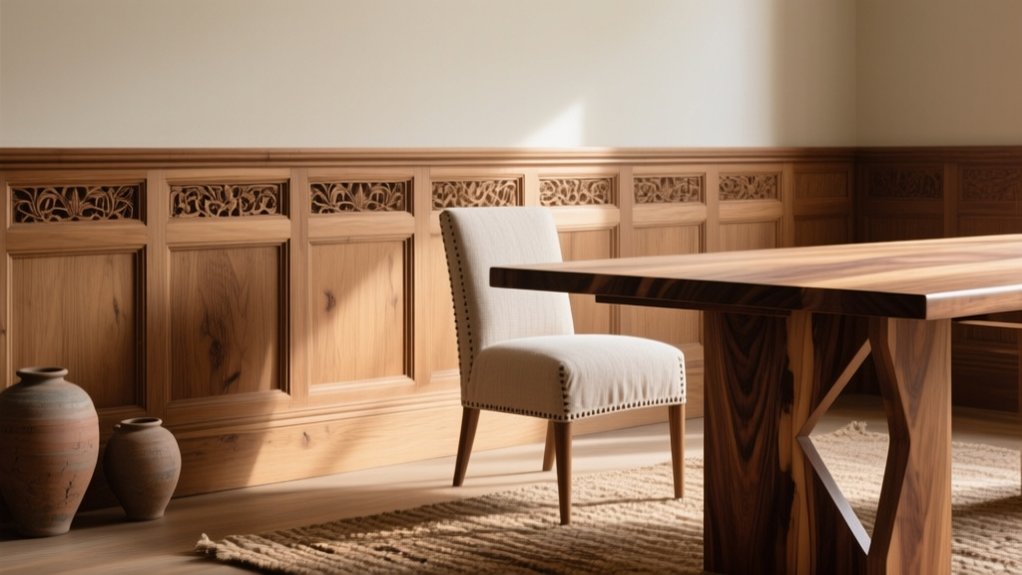

Craftsmanship makes your interior feel meaningful because you’re not just choosing finishes—you’re controlling alignment, tolerances, sequencing, and the handoffs between trades. You’ll see it in consistent reveals, crisp miters, smooth drawer action, quiet hardware, and materials that look and wear like the real thing. It also supports cultural cues through proportion and bespoke details, while boosting durability in high-wear areas like cabinetry and floors. Keep going to see where it matters most.
What Craftsmanship Means in Interior Design?
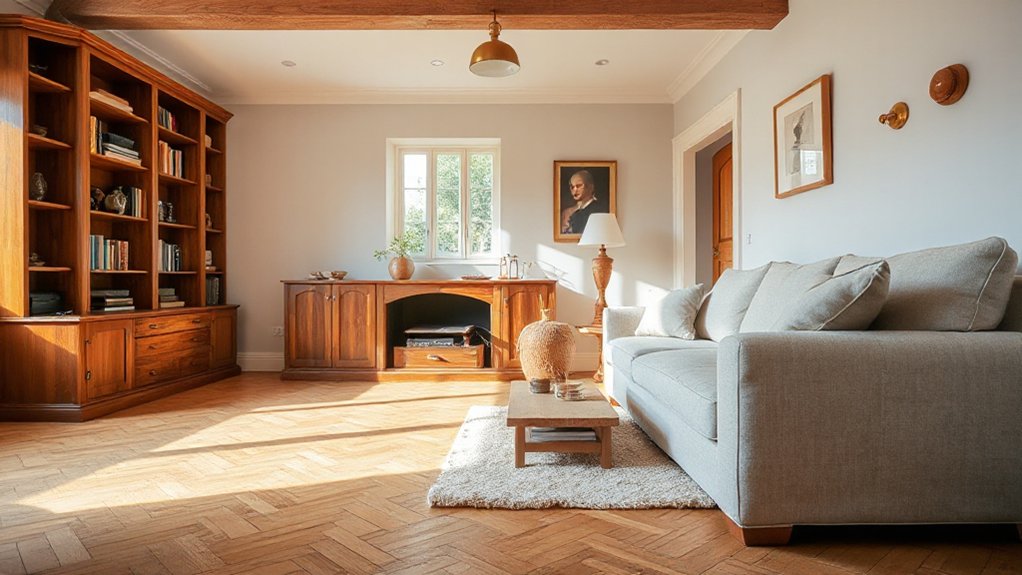
Although style trends come and go, craftsmanship in interior design stays anchored in how well every element is made, installed, and finished. You define it through material choices, tolerances, and sequencing: millwork that aligns, stone that’s templated precisely, and paint that’s properly prepped for a consistent sheen.
You coordinate designers, trades, and fabricators so details survive value engineering and site conditions. Craftsmanship also protects performance—durable joinery, correct clearances, balanced lighting, and acoustical control—so the space works as hard as it looks.
You use finish schedules, mockups, and shop drawings to translate intent into buildable outcomes. When done well, you support Artistic expression without sacrificing maintainability, and you honor Cultural significance by respecting traditional methods, provenance, and context in every specification.
How to Spot Real Craftsmanship Fast?
Before you fall for a pretty reveal photo, scan the room the way a GC or millwork lead would: start with alignment, then shifts, then finish quality. Check reveals at doors, drawer fronts, and trim: they should be consistent, not “close enough.” Sight long runs of cabinetry for bowing, proud edges, or waviness at light rakes. Open and close everything—hinges should sit true, drawers should glide without racking, and hardware should land on a clean centerline.
Next, read the materials. Look for Material authenticity: real wood grain continues through edges, stone has depth, and metals feel solid, not plated plastic.
Finally, inspect details that signal Artisan techniques: tight miters, crisp inlays, hand-finished progression, and clean caulk lines with no smear.
Craftsmanship vs. Mass-Produced Interiors: Key Differences?
When you compare true craftsmanship to a mass-produced interior, focus on what’s driving the decisions: performance and longevity versus speed and repeatability. You’ll see it in the planning: a maker resolves your specific constraints, aligns details to real use patterns, and anticipates maintenance, while a catalog solution forces your space to fit pre-set modules.
You also feel the difference in execution. With Artisan techniques, you get tighter tolerances, cleaner gradations at edges and junctions, and details that read intentional at close range. In mass production, seams, reveals, and alignments often prioritize output over refinement.
Craftsmanship carries Cultural influences through proportion, pattern logic, and bespoke motifs that match your story. Most importantly, you control the outcome: you approve prototypes, iterate decisions, and receive accountability from a named craftsperson, not a generic line item.
Interior Materials That Signal Quality Workmanship
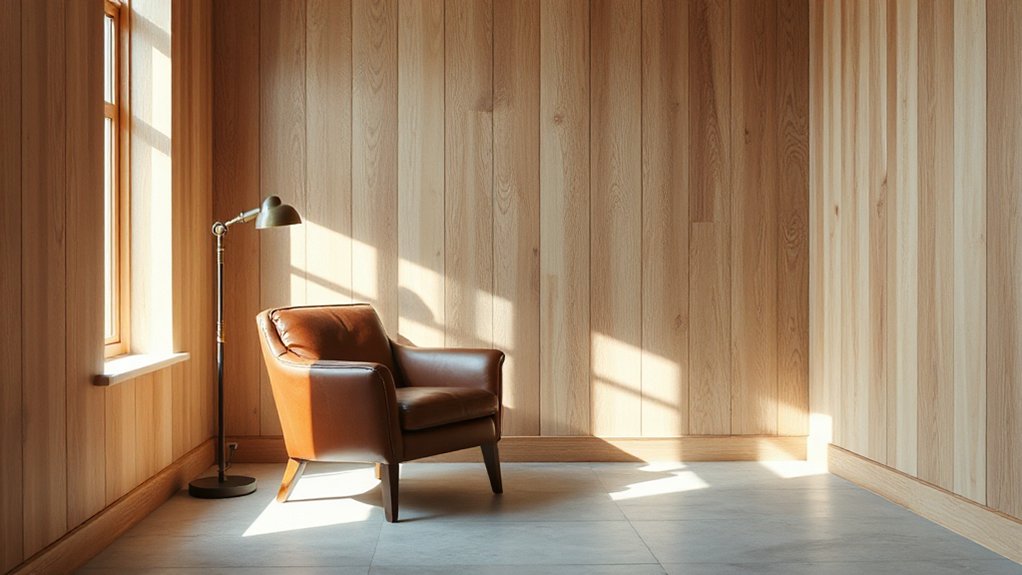
Because materials reveal their truth under light, touch, and time, you can often spot quality workmanship by looking at what a maker chooses—and how they finish it.
Start with solid hardwoods (rift or quartersawn) and veneer that’s thick enough for crisp edges, not paper-thin wraps.
Look for stone with consistent bookmatching, tight tolerances at seams, and sensible slab selection that respects veining.
In metalwork, you’ll notice heavier-gauge brass or steel, clean welds, and hardware with precise machining rather than stamped shortcuts.
For upholstery, specify full-grain leather, high-rub textiles, and resilient natural fills where appropriate.
Prioritize material authenticity: honest grain, real patina potential, and repairability.
When you ask for artisanal techniques—hand-cut joinery, tight miters, woven cane—you’ll get interiors that age gracefully and stay maintainable.
Finishes That Reveal (or Hide) Good Craft
Although you can upgrade almost any surface with the right topcoat, finishes either spotlight craftsmanship or conceal weak prep, sloppy joinery, and misaligned planes.
If you choose a low-sheen paint, it’ll forgive minor wall waves; a high-gloss enamel won’t, and it’ll telegraph every patch edge and sanding swirl under raking light.
You’ll get cleaner reveals when your painter back-primes, conditions porous substrates, and controls film build at corners.
Specify stain and clear coats only when millwork alignment, grain selection, and edge-banding are disciplined, because transparent systems expose glue lines and burn-through.
Use Textural contrasts deliberately: matte plaster beside satin trim can sharpen plane changes, while uniform sheens can hide progressions.
Ask for mockups so hidden details, caulk joints, and touch-up protocols match your expectations.
Handcrafted Details That Elevate Everyday Rooms
Finishes only do their job if the underlying work reads clean, and that’s where handcrafted details start paying you back every day. You notice it in how shadow lines stay crisp, how edges meet without apology, and how proportions feel intentional in ordinary rooms.
- Hand-planed reveals around casings keep light consistent and corners calm.
- Artisan techniques like hand-burnished plaster or brushed limewash add depth that paint can’t mimic.
- Custom detailing—beaded insets, mitered returns, or scribed base—makes built-ins look integrated, not installed.
- Hardware siting, aligned to stile widths and sightlines, keeps the whole elevation disciplined.
When you specify these moves early, trades coordinate tolerances, your punch list shrinks, and every surface reads quietly premium.
How Craftsmanship Improves Daily Function at Home?

When craftsmanship drives the build—not just the look—you feel it in the way your home operates from morning to night. You notice drawers that glide under full load, doors that close with consistent reveals, and millwork that stays square through seasonal shifts.
You get better task lighting alignment, quieter hardware, and counter overhangs sized for real seating comfort, not guesswork.
Artisan techniques also refine flow: a mudroom bench lands at the right height, hooks sit where your reach is natural, and a pantry’s shelving depth prevents wasted space.
Cultural influences can guide practical choices, like entryway storage that supports shoe removal or a kitchen layout that supports shared prep.
With tighter tolerances and smarter joinery, you clean faster, store more, and move through routines with fewer snags.
Where Craftsmanship Is Worth the Extra Cost
Daily function proves craftsmanship matters, but budget decisions get sharper once you identify the components that take the most wear, carry the most load, or demand the tightest tolerances. That’s where upgraded joinery, better substrates, and disciplined detailing stop being “nice” and start protecting your investment.
- Cabinetry and millwork: You’ll feel the difference in full-extension hardware, tight reveals, and durable edge-banding.
- Stairs and railings: Spend for structural integrity, code-clean connections, and hand-friendly profiles.
- Flooring and thresholds: Prioritize stable species, moisture control, and precise transitions that don’t lip or gap.
- Door and window surrounds: Choose Artisan techniques and custom finishes for crisp sightlines and touchpoints that won’t telegraph wear.
You’re buying quieter operation, fewer repairs, and long-term visual calm.
How to Work With Craftsmen: Process, Timing, Budget
Because good craftsmanship depends as much on coordination as skill, you’ll get better results by treating the maker like a project partner, not a late-stage vendor. Start with collaborative planning: share drawings, site dimensions, finish samples, and performance requirements, then confirm what’s shop-made versus field-installed.
Build your schedule backward from lead times for joinery, metalwork, or upholstery, and lock in approvals early—shop drawings, mockups, and finish sign-offs prevent rework.
During vendor selection, verify capacity, insurance, warranty terms, and who owns measurement responsibility after rough-ins. Ask for a milestone-based quote that separates materials, labor, finishing, delivery, and installation.
Protect your budget by defining allowances for hardware and stains, and by agreeing on change-order rates before fabrication starts. Keep weekly check-ins to manage risks.
How Local Craft Shapes the Look of Interiors
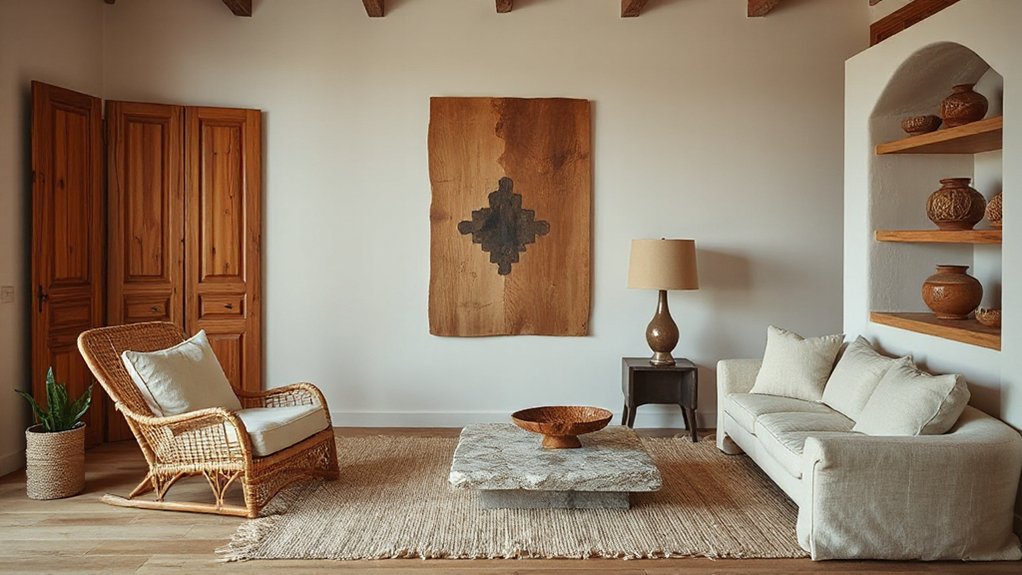
A surprising amount of an interior’s character comes from the local trades that touch it—millwork profiles that match regional housing stock, stone selections cut from nearby quarries, metal patinas tied to local climate, and textile techniques rooted in community workshops. When you source locally, your palette stops feeling generic and starts reading as place-specific, because makers build from familiar materials and constraints.
- You align proportions with regional joinery standards, so doors, casings, and built-ins feel “native.”
- You specify finishes that respond to local light, humidity, and air, creating believable sheen and tone.
- You tap Artisan techniques—carving, hand-looming, burnishing—that add controlled variation you can’t fake.
- You honor Cultural influences in motifs and methods, so patterns and details carry context, not just decoration.
How to Care for Craftsmanship So It Lasts
To keep fine interior craftsmanship performing like new, you’ll use gentle, non-abrasive cleaning methods that won’t strip finishes or raise the grain.
You’ll also control exposure by shielding surfaces from UV light and managing moisture with proper ventilation, coasters, and prompt wipe-downs.
Finally, you’ll schedule regular maintenance checks—tighten hardware, refresh protective coatings, and address small wear before it turns into costly repair.
Use Gentle Cleaning Methods
Even if your interiors look tough on the surface, fine craftsmanship can dull, scratch, or haze fast when you clean it aggressively. You’ll protect joinery, hand-rubbed finishes, and sealed stone by treating cleaning like maintenance, not abrasion. Choose Eco friendly cleaning options and natural cleaning agents that lift soils without stripping protective topcoats or softening adhesives.
- Dust first with a clean microfiber, using light pressure to avoid burnishing.
- Dilute pH-neutral soap, then wipe with a barely damp cloth; don’t flood seams or edges.
- Test any product in an inconspicuous area and wait for the finish to dry before deciding.
- Rinse residue with a second cloth and dry immediately to prevent streaking.
You’ll extend the maker’s intent and keep surfaces consistent.
Protect From Sun And Moisture
Gentle cleaning preserves the finish you can touch, but light and humidity control the changes you’ll see over time. Position heirloom woodwork, textiles, and lacquered casegoods away from direct glazing, or specify UV-filtering film and lined drapery for practical Sun protection without dimming the room’s intent.
Rotate rugs and cushions seasonally so color shifts stay even, and choose LED lamps to reduce heat load near veneers and artworks.
Keep interior relative humidity stable with a humidifier/dehumidifier strategy matched to your HVAC, especially around millwork joints and instrument-grade panels.
In kitchens, baths, and below-grade spaces, rely on exhaust, sealed grout, and properly detailed Moisture barriers behind stone, tile, and wainscots so substrates don’t swell, stain, or delaminate.
Schedule Regular Maintenance Checks
Because small shifts become expensive repairs when you miss them, build a simple maintenance cadence for every crafted surface and assembly in your home. Treat it like a post-installation commissioning: you’re protecting joinery tolerances, finishes, and hardware performance that underpin Design innovation and long-term comfort.
- Quarterly: Inspect drawer alignment, hinge screws, and soft-close dampers; re-tension where needed.
- Biannually: Check grout lines, caulk joints, and wood seams for hairline movement; spot-seal promptly.
- Annually: Clean and wax or oil per finish spec, and confirm HVAC humidity targets stay stable.
- As needed: Document wear patterns and order matching parts early; smart material sourcing prevents mismatched grain, sheen, and lead-time surprises.
You’ll catch failures early, keep warranties intact, and preserve the maker’s intent.
Frequently Asked Questions
How Does Craftsmanship Affect a Home’s Resale Value?
Craftsmanship boosts your home’s resale value by signaling durability and care; buyers pay more for luxury finishes and artisanal details. You’ll reduce inspection objections, justify premium comps, and shorten days-on-market with documented, high-quality work.
Can Sustainable Craftsmanship Reduce a Space’s Carbon Footprint?
Yes, you can reduce a space’s carbon footprint through sustainable craftsmanship—like sending a fax to the future. You’ll specify Eco friendly materials, optimize durability, and prioritize Local artisan support to cut transport emissions and waste.
What Certifications Help Verify Artisan-Made Interior Products?
You’ll verify artisan-made products with Fair Trade Certified, WFTO, FSC/PEFC for wood, GOTS for textiles, OEKO-TEX, and Cradle to Cradle. These certification standards support artisan authenticity through audited supply chains, labor, and material traceability.
How Do I Insure Custom-Built Interior Features Against Damage?
You’ll insure custom-built features by scheduling a rider with appraisals, contracts, and photos, confirming replacement-cost coverage, and documenting Material durability. You’ll follow Maintenance strategies, update values annually, and verify excluded perils and deductibles.
Can Craftsmanship Principles Be Applied Effectively in Rental Apartments?
Yes, you can apply craftsmanship principles in rentals by using removable upgrades. Specify Artisan techniques in peel-and-stick millwork, modular shelving, and hardware swaps. Explore Personalization options like custom textiles, lighting, and finishes that landlords approve.
Conclusion
When you choose true craftsmanship, you don’t just “finish” a space—you tune it like an instrument. You see it in tight joinery, honest materials, and finishes that catch light like calm water, not plastic shine. You’ll spend more where hands matter—millwork, hardware, stone setting—but you’ll buy years of quiet performance. Work closely with your craftspeople, respect lead times, and document details. Then maintain it, and your interior will age like well-worn leather.