


Like a quiet compass, your small garden points you toward resilience and restraint. You’ll favor drought-tolerant plants, compact shrubs, and shade-tolerant perennials that stay tidy with minimal fuss. Think succulents, lavender, and coneflowers, plus dwarf olives or heucheras for structure, and ferns or hostas where light vanishes. With vertical planters and smart mulching, you’ll create year-round appeal without heavy upkeep—and a simple trim away from a surprisingly lush, low-stress space. Want to see how it all fits your space?
Key Takeaways
- Choose resilient, drought-tolerant, compact plants suited to containers and small spaces with minimal pruning.
- Favor hardy perennials and compact ornamentals for year-round color and texture with low maintenance.
- Group plants by sun and moisture needs to simplify care and reduce watering.
- Use vertical planters and layered heights to maximize impact with minimal footprint.
- Implement simple routines: mulching, light pruning, and regular visual checks to sustain health with little effort.
Why Small Spaces Need Low-Maintenance Plants: Criteria to Choose
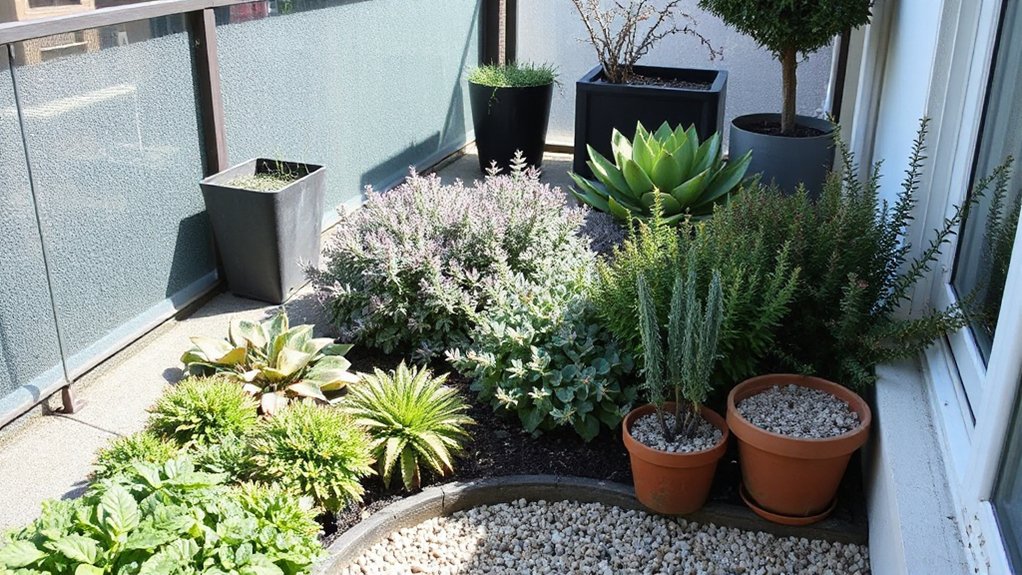
Small spaces demand plants that work as hard as you do, so you don’t spend your weekends pruning or fussing over them. You’ll prioritize resilience, low water needs, and compact growth that stays within borders. Choose species that tolerate heat, shade, or drought without drama, so maintenance stays predictable.
For Container gardening, size and weight matter, so pick lightweight pots with drainage and a mix that won’t require frequent refresh.
Vertical planting helps maximize air and light flow, reducing disease risk and keeping pathways clear. Look for long-blooming varieties or evergreens that deliver color with minimal input.
Prioritize pest resistance and soil versatility, choosing labeled, well-suited cultivars. Your criteria sharpen focus: reliability, simplicity, and steady performance that fits tight spaces and busy schedules.
Compact Ornamentals for Year-Round Color in Tiny Spaces
Compact ornamentals can deliver year-round color in tiny spaces without crowding or constant upkeep. You’ll choose compact shrubs, mat-forming perennials, and bench‑top-sized container plants that stay neat with minimal pruning. Think deep green foliage punctuated by seasonal tones, and textures that read as garden art in even the smallest inset.
Use vertical space with dwarf olive, lavender, or thyme cascading over edge planters to keep paths open. For indoor-friendly options, consider compact ferns and spiky leaved succulents that contribute sustained color when light shifts.
Pair plant choices with reflective surfaces and chartreuse accents to amplify brightness. Indoor air benefits arrive from leafy varieties; arrange in groups for visual rhythm. Simple, practical care keeps your tiny plot lively year round.
Hardy Perennials That Resist Pests and Heat
If you’re choosing hardy perennials that shrug off pests and heat, start with reliable veterans like daylilies, coneflowers, and salvia, which rebound quickly after stress and bloom with minimal fuss.
- Daylilies: tough leaves, few pests, long bloom windows
- Coneflowers: sturdy, drought-tolerant, glow in heat
- Salvia: compact or tall varieties, heat resistant, pollinator magnets
- Bee balm: resilient, vibrant bloom, moderate maintenance
These options embody Perennial pests resistance and Heat resistant varieties, giving you dependable color with less care. Plant with good drainage, mulch lightly, and group by sun needs to reduce irrigation.
You’ll enjoy consistent performance through dry spells, and pest pressure stays manageable without chemicals. Choose diverse textures to keep visual interest year-round.
Sun-Loving Plants That Stay Tidy With Minimal Pruning
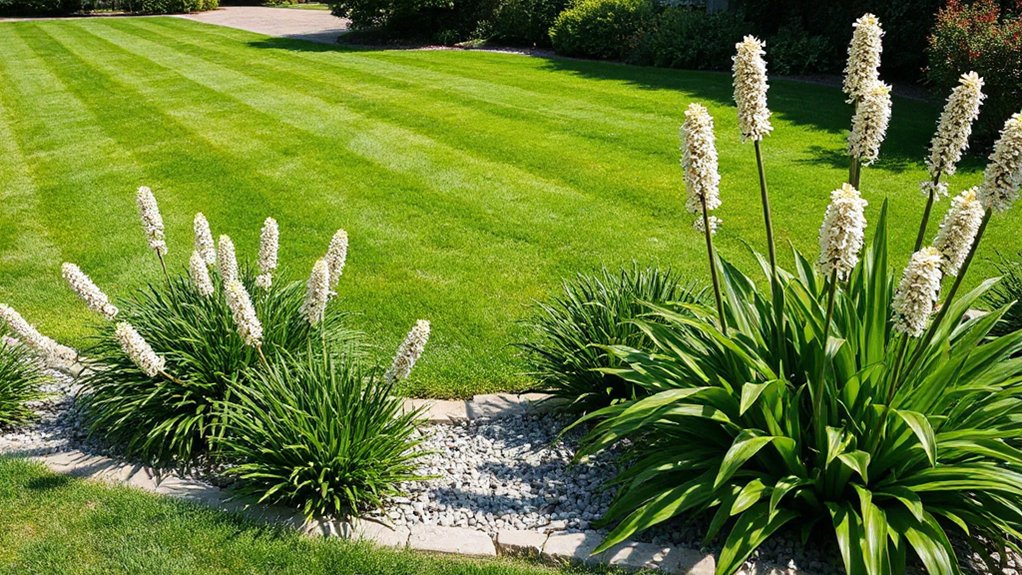
Think in blocks: a warm trio of perennials or a seasonal trio of annuals to maintain constant structure. In your garden layout, place taller accents toward the back or center, with mid-height color at eye level, and short groundcovers at the edges.
Expect reliable bloom without frequent trimming. Water deeply, mulch to conserve moisture, and assess soil drainage to keep roots happy and the frame tidy.
Shade-Friendly Plants That Thrive With Little Attention
Shade-friendly picks line up to your shade, with low-water needs and easy-care routines that keep your spots neat without fuss. You’ll notice plants that tolerate dim light, resist drought, and still look lively with minimal pruning.
Think compact forms, crisp foliage, and textures that stay vibrant while you maintain a small, tidy garden.
Shade-Tolerant, Low-Water Choices
When shade is your rule, these low-water plants prove you can have a lush, easy-care bed without constant fuss. You’ll select species that tolerate dim light while sipping sparingly at the roots, so irrigation stays minimal and predictable.
- Japanese forest grass (Hakonechloa) — bright texture, shallow roots, drought-conscious habit.
- Hostas — broad leaves, variegation, moderate watering, thrives in filtered shade.
- Ferns (e.g., maidenhair) — airy fronds, thrives with consistent moisture but tolerates light drought.
- Bergenia — glossy evergreen leaves, low irrigation, and year-round structure.
This lineup emphasizes shade plants that mirror water wise choices, delivering color, form, and resilience with limited care.
Easy-Care, Drought-Resistant Picks
If you’re aiming for a low-fuss bed that still delivers texture and color, opt for shade-friendly, drought-resistant picks that thrive with minimal water and hands-on care. Think compact ferns, hostas with variegated leaves, and hardy heucheras that tolerate dry spells.
Choose varieties with strong roots and slow release forms; mulch lightly to lock moisture. Space plants to allow air circulation, reducing disease risk.
For Fertilizer management, apply a light, balanced feed in early spring and again after flowering, if needed, avoiding over-application.
Pest control stays simple: monitor weekly, remove pests by hand, and prefer beneficial insects.
Pair textures: silvery foliage next to deep greens for contrast, and use a shallow tray to catch runoff.
Finish with a mossy ground cover to soften edges.
Quick Design Ideas to Maximize Impact With Little Work
Think in bold, high-impact contrasts: a single tall plant against a low hedge creates instant depth with minimal effort.
Use repeated textures and a limited color palette to make your small space feel intentional, not crowded.
Add a few sculptural elements—pots, edging, or a compact focal plant—to draw the eye without adding maintenance.
Maximize Impact With Minimal Work
To maximize impact with minimal work, start with a bold focal point—one eye-catching plant or container that anchors the space—and build around it with repeat textures and colors. You’ll create a cohesive look using easy-care options and strategic placement. Emphasize indoor foliage and container gardening to simplify maintenance while delivering visual punch.
- Choose a standout focal plant in a striking container, then echo its color across cushions, pots, and accessories.
- Use two or three repeating textures—smooth, matte, and glossy surfaces—to reinforce rhythm without crowding.
- Pair a compact shrub with sculptural grasses for year‑round form and minimal pruning.
- Layer height with vertical planters and wall pockets to maximize impact in small spaces.
Quick Design Tweaks For Small Spaces
Quick design tweaks can amplify impact in small spaces without adding maintenance. You’ll prioritize verticals, wall-mounted planters, and compact containers to free floor area while delivering surprising presence.
Choose a limited color palette and repeat two or three plants for cohesion; texture contrast keeps the display lively. Use a slim shelving unit at coffee-table height to create an instant layered vignette.
For soil health, mix in Soil enrichment into the potting mix and refresh roots every season to sustain vigor.
Plant propagation from surplus cuttings? Snip and root in damp medium, then relocate to fill gaps as you scale your display.
Keep seating nearby, and allow negative space to breathe; a single statement plant can anchor the entire corner.
Practical Care Cheats for Busy Gardeners
Even with a busy schedule, you can keep a small garden thriving by using proven, low-eff-effort routines: group plants by water needs, mulch to suppress weeds and conserve moisture, and schedule simple monthly checks.
1) Plant propagation tips show quick wins: set a labeled tray, use clean cuttings, and root inium mix for faster results during spare minutes.
2) Seasonal pruning stays practical: trim after bloom cycles, focus on dead or crossing branches, and avoid overfussing delicate stems.
3) Mulch depth is visualized: 2–3 inches of organic layer, refreshed seasonally to lock moisture and reduce weeds.
4) Quick daily cues: a glance to stock pots, drainage, and ruler-guided height checks keep beds balanced all year.
Frequently Asked Questions
How Often Should I Water Low-Maintenance Plants in Containers?
For container plants, you water when the top inch of soil dries—usually every 2–4 days in warm weather, less in cooler seasons.
Check soil moisture with a finger test or a moisture meter, and water deeply so the roots soak evenly.
Confirm container drainage is unobstructed and never let pots sit in standing water.
Adjust frequency during hot spells or droughts, and always account for sun exposure and plant type.
Which Drought-Tolerant Species Require the Least Feeding?
Drought-tolerant species that require the least feeding are typically drought resistant foliage varieties and native plant species that thrive on minimal inputs. You’ll notice tougher textures, gray-green leaves, and compact growth, thriving with occasional watering and no monthly fertilizing.
Choose native plant species adapted to your climate; they’ll resist pests and thrive with natural rain.
In pots, prune lightly, mulch deeply, and let drought tolerance dictate your feeding schedule and overall care.
Can I Use the Same Soil for All Low-Maintenance Types?
Yes, you can use the same soil, but check soil compatibility first.
For low-maintenance types, test drainage, texture, and pH, then tailor amendments only if needed.
In practice, choose a well-draining mix and avoid over-fertilizing.
Know each plant’s fertilization needs, as some require little or none.
Visualize the bed: roots spreading, moisture balancing, and nutrient flow.
If issues arise, adjust irrigation rather than invasive soil changes.
Do Some Low-Maintenance Plants Attract Fewer Pests Year-Round?
Yes—some low-maintenance plants attract fewer pests year-round. Look for pest resistant varieties, which tolerate common invaders, and keep seasonal pest control practices simple: mulch, proper spacing, and empirical monitoring.
You’ll notice fewer issues if you plant diversified, resilient species and rotate locations slightly each season. Pair these choices with native options when possible, keep irrigation steady, and trim regularly to reduce hotspots where pests gather.
Visual cues like sturdy stems help you act early.
Are There Beginner-Friendly Options That Still Bloom Reliably?
Yes, there are beginner-friendly options that bloom reliably. Look for easy care, drought-tolerant perennials and annuals in flowering favorites lists.
You’ll plant something that’s forgiving if you forget a watering, yet still puts on steady color year after year. Choose compact varieties with long bloom windows and simple maintenance routines.
You’ll see vivid petals, minimal fuss, and dependable petals season after season, making your garden feel bright and welcoming with minimal effort.
Conclusion
You step into a garden that feels effortless, like a well-tuned instrument. Picture drought-tolerant succulents glinting beside lavender, compact shrubs shaping borders, and ferns unfurling shade-soft textures. Mulch muffles noise, mulch muffles weeds, and routine checks become a gentle rhythm. Vertical planters rise like quiet sentinels, while perennials hold color year-round. With pruning, mulching, and smart spacing, your small space breathes easily—bright, tidy, and alive, demanding little while delivering big, enduring charm.


