
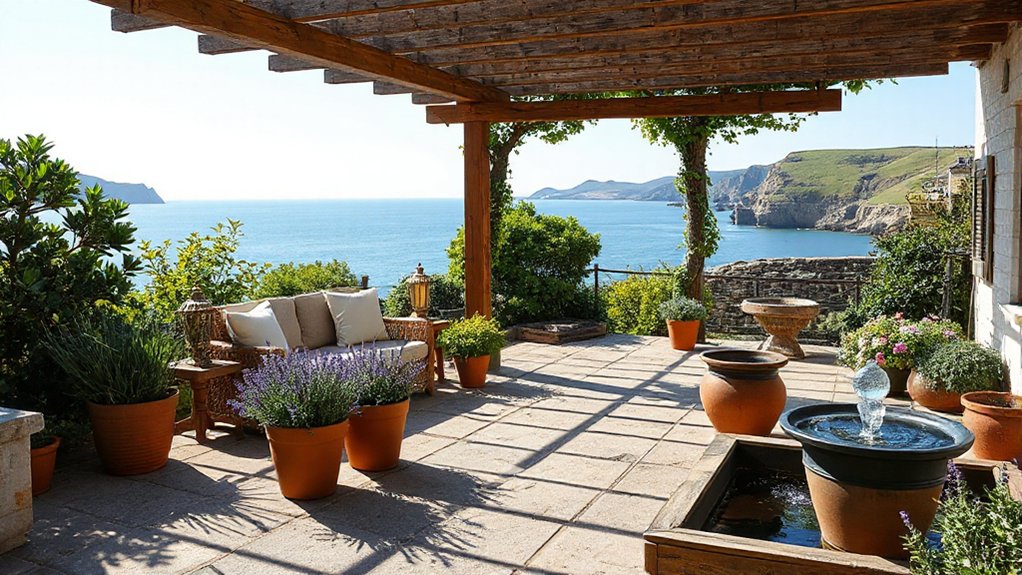

Take the Cornwall cottage at sea level fresh air in mind, and you’ll want a patio that stands up to salt, wind, and rain. You’ll choose durable materials, smart shade zones, and windbreaks, while keeping maintenance low and views open. The goal is a timeless, coastal look that still feels modern and usable year-round. Ready to weigh materials, layouts, and plant choices that balance resilience with seaside charm? Let’s shape a space you’ll want to use every season.
Key Takeaways
- Prioritize climate-aware design: wind protection, shade options, and rain drainage to suit Cornwall’s coastal conditions.
- Choose sea-breeze materials: durable, low-maintenance, salt-resistant finishes with UV protection and weatherproof seals.
- Create defined zones: lounging, dining, and year-round entertaining with clear sightlines and comfortable seating heights.
- Select low-maintenance coastal plantings: salt-tolerant, native grasses, drought-tolerant shrubs, grouped by microclimates.
- Embrace coastal style: weathered timber or concrete, low-profile seating in Sunbrella fabrics, and nautical accents to frame ocean views.
Set Your Cornwall Patio Priorities: Climate, Use, and Budget

Before you start sketching the perfect Cornwall patio, pin down three priorities: climate, how you’ll use the space, and your budget. You’ll tailor choices so every element serves those basics.
Consider climate realities: wind, rain, sun, and damp, then plan shade and shelter accordingly.
Define use: afternoon sun lounges, evening dining, or entertaining guests year-round.
Your budget anchors material choice, furniture, and lighting without overshooting.
For patio furniture, pick modular pieces that adapt to gatherings and seasonal changes.
Budgeting for lighting options now prevents later rewrites and adds atmosphere.
Specify durable, low-maintenance finishes that resist salty air, ease cleaning, and minimize upkeep.
Document a simple layout that preserves flow and sightlines.
With priorities clear, you’ll design a coherent, inviting space that feels intentional and refined.
Choose Sea-Breeze Materials: Durability, Maintenance, and Cost
Sea-breeze materials must stand up to Cornwall’s damp, salty air while staying affordable and easy to care for. You’ll prioritize salt resistant materials that tolerate humidity, wind, and coastal seasoning without warping or fading.
Look for low-maintenance finishes, weatherproof seals, and UV-resistant coatings that keep color true and surfaces smooth. Durability matters, so choose solid-core composites, treated hardwoods, or marine-grade aluminum that resist corrosion and wear from chair legs and planters.
Maintenance should be predictable: quick wipe-downs, periodic sealing, and simple repairs. Balance cost with longevity by comparing lifespans, warranty, and replacement cycles.
Seaside aesthetics guide choices toward light, natural tones and textures that feel cohesive with ocean proximity. Prioritize materials that retain beauty while resisting salt, moisture, and daily use.
Master Wind and Shade on a Cornwall Patio
To master wind and shade on a Cornwall patio, start with a geared plan that pairs sturdy wind protection with adaptable shading. You’ll sketch zones that capture sun when needed and block gusts during coastal breezes, using a layered approach.
Begin with wind protection: operable screens, solid screens, or a trellis with hardy climbers to break the flow without visually choking the space.
Next, map shade structures that respond to sun angles—overwalls, retractable canopies, and pergola sails that you can adjust to the hours of peak exposure.
Materials should be weather-ready: powder-coated frames, treated timber, and UV-stable fabrics.
Guarantee clear sightlines, pull-out seating, and practical drainage.
Fine-tune heights for comfort, aiming for a balanced, inviting, durable Cornwall patio ambiance.
Select Low-Maintenance Plantings for Coastal Views

Choosing low-maintenance plantings for coastal views means selecting hardy, salt-tolerant varieties that thrive with minimal care and still enhance the Cornwall patio. You’ll prioritize resilience, year-round structure, and subtle texture that complements stone and wood.
Emphasize native grasses for movement and wind resistance, along with drought tolerant shrubs that hold form without frequent watering. Pair coastal hues with foliage that reflects sun, sea, and sky.
Consider grouping by microclimates, placing taller specimens at the back and low mats frontward to soften edges. Use mulch to reduce evaporation and enrich soil.
Favor plants that require little pruning and resist salt spray, ensuring a calm, lasting vista that remains vibrant through seasons.
- Native grasses create motion and texture with minimal upkeep
- Drought tolerant shrubs anchor borders and reduce irrigation needs
- Subtle, salt-tolerant color palettes enhance coastal ambiance
- Microclimate grouping maintains year-round structure and balance
Embrace Coastal Style: Patio Designs That Echo Cornwall’s Landscape
Embrace coastal style by designing patios that mirror Cornwall’s rugged, sun-bleached landscape, blending durable materials with soft, wind-kissed textures. You’ll lean into robust timber decking or concrete pavers with a weathered finish, paired with washed-ash mortar joints to echo salt-weathered walls.
Use low-profile seating in teak or eucalyptus, cushions in Sunbrella fabrics, and cushions in seaside hues for lasting comfort. Incorporate built-in storage and water-conscious irrigation to maintain tidy lines amid coastal winds.
Add seaside aesthetics through locally sourced stone walls, driftwood screens, and compact, clumping grasses that sway without overwhelming spaces. For flair, deploy nautical accents—rope-tied planters, brass hardware, and ship-inspired lighting.
Plan sightlines to frame ocean views, creating intimate moments within an expansive Cornwall landscape.
Frequently Asked Questions
What Permits or Restrictions Affect Cornwall Patio Projects?
Permits and restrictions vary, but you’ll generally need to check Building regulations and Environmental restrictions for Cornwall patio projects.
You mightn’t require a full planning consent unless you alter elevations, add structures, or impact listed buildings.
If you’re near protected habitats, you’ll face extra approvals.
You should consult your local planning authority, prepare detailed plans, and consider drainage, materials, and long-term maintenance—staying compliant prevents costly delays and preserves the area’s aesthetic and ecological integrity.
How Do Patios Impact Home Resale Value Here?
Patios can boost your home’s resale value by enhancing curb appeal and outdoor livability, especially when you pick durable Patio materials and align with Landscape design.
A well-maintained, low-maintenance surface reduces maintenance costs and attracts buyers.
Focus on cohesive flow from indoors to outdoors, efficient drainage, and durable materials.
Thoughtful color, texture, and furniture placement matter.
In niches like Cornwall, guarantee weather resilience and timeless style to maximize appeal and perceived value.
What Are Best Low-Cost Cornwall-Ready Seating Options?
Affordable furniture and DIY seating options give you plenty of Cornwall-friendly, low-cost choices.
Start with sturdy, weatherproof benches built from untreated timber and recessed legs for stability.
Add outdoor cushions you recover yourself to cut costs.
For seating, repurpose pallets into sofas or ottomans with outdoor fabric covers.
Use foldable metal chairs with weatherproof paint for quick, portable spots.
Finish with a compact bistro set and planters to frame the area, keeping maintenance minimal and inviting.
Which Plants Thrive in Cornwall’s Salty, Windy Air?
Did you know 60% of coastal gardens struggle most with salt spray? Salt tolerant plants and wind resistant shrubs thrive here, so you can design confidently.
You’ll choose varieties like salicornia and sea thrift, plus hardy bay laurel and junipers for structure.
Pair low-growing, silvery textures with evergreen accents, and place screen shrubs to block gusts.
Water deeply, mulch, and prune lightly to maintain vigor in Cornwall’s salty, windy air.
How Can I Maximize Natural Light on a Cornwall Patio?
To maximize natural light on a Cornwall patio, position seating where the sun travels the longest hours and avoid blocking shadows.
Use light-colored surfaces to reflect glare and install skylight-adjacent openings if possible.
Sunlight optimization comes from strategically placed shading solutions that you can retract in bright mornings.
Add slender, tall planters as vertical reflectors, and keep glass doors clear for indoor-outdoor flow.
Embrace reflective tiles, and let pale fabrics brighten the space without overheating.
Conclusion
You’ve got the blueprint for a resilient Cornwall patio—durable materials, wind-smart shading, and low-maintenance plantings that still feel coastal. Picture weathered timber, marine-grade metal, and composite decking aging gracefully while withstanding salt spray. Layered shade zones invite year-round lounging, dining, and views of the sea. Will you balance practicality with beauty, and let native blooms frame your horizon? With thoughtful zones and sturdy textures, your outdoor space becomes a timeless, seaside haven you’ll love every day.


