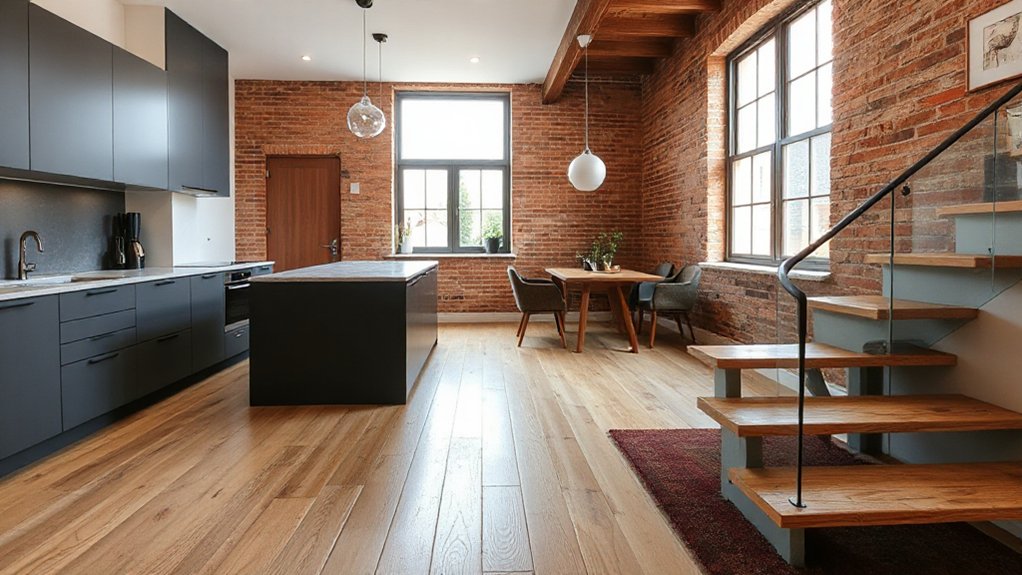

A practical example: a narrow Victorian terrace gains warmth with timber floors, breathable plaster, and period-appropriate tiles, while a slim, multi-purpose island folds away to preserve flow. You’ll balance character with comfort, plan around constraints, and layer lighting to hide drafts and boost energy efficiency. Curious how to preserve history without compromising daily life? Start with a clear plan, then explore finishes, storage, and light tactics that suit your home’s age and your budget.
Key Takeaways
- Prioritize phased upgrades with a clear budget, contingency, and measurable outcomes to minimize disruption and spread costs.
- Preserve character by using authentic materials (plaster, limewash, timber floors) and document restorations before replacements.
- Optimize space with compact, multifunctional furniture, open plans, and folding doors to maintain flow.
- Implement layered lighting (ambient, task, accent) with dimmers, smart controls, and energy-efficient fixtures.
- Improve comfort and efficiency through targeted insulation, draft sealing, and scalable landscaping that complements the period aesthetic.
Plan Your Updates: Goals, Budget, and Constraints
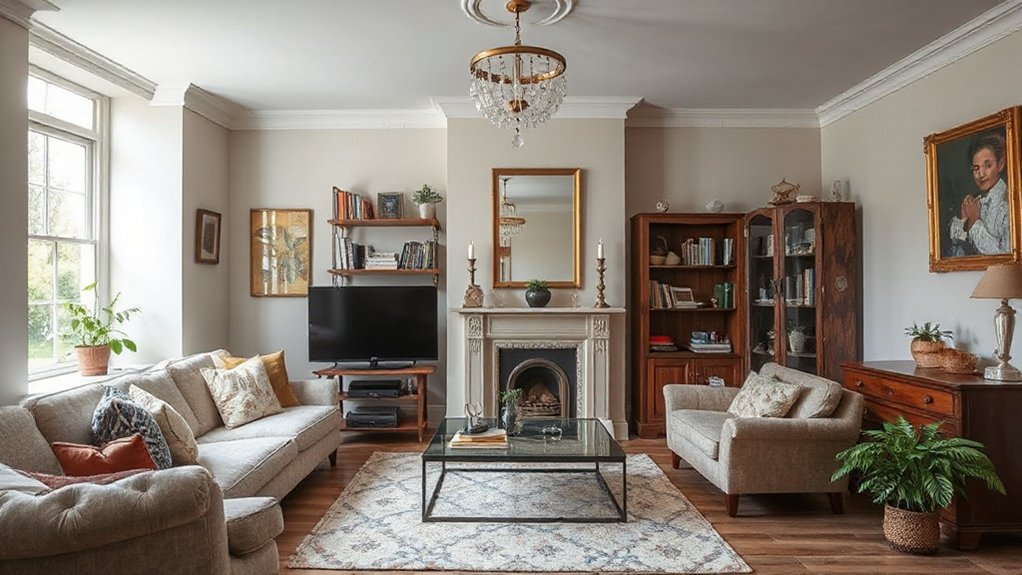
Before you lift a hammer, outline your goals, budget, and constraints. You start by clarifying what you want to achieve: enhance daily use, improve energy efficiency, or expand storage.
Pinpoint essential architectural preservation goals alongside modern functionality, so you don’t compromise the building’s character. List must-haves and nice-to-haves, then assign a hard budget with a contingency—typically 10–20%.
Create a phased plan that respects structural limits and access, avoiding costly overruns. Identify constraints such as load-bearing walls, plumbing runs, and natural light.
Research cost ranges for materials, labor, and permits, and build decision points with go/no-go criteria. Document decisions, sketches, and measurable outcomes.
Periodically review progress to stay aligned with goals, budget, and constraints throughout the project.
Preserve Character With Timeless Finishes and Materials
To preserve the character of an older terraced home, choose finishes and materials that honor its era while meeting modern needs. You’ll prioritize authentic textures, subdued palettes, and durable options that age gracefully. Select timber floors with proper finishes, or period-appropriate tile patterns that resist wear.
When it comes to fixtures, opt for antique fixtures or reproductions that nod to the home’s timeline without compromising safety or efficiency. Use plaster walls or plaster-like alternatives rather than bulky drywall to maintain lineage.
Lighting should emphasize warmth and scale, avoiding overly contemporary silhouettes. For heritage restoration, document original details before replacement, and repair rather than replace where feasible.
Balance preservation with practicality, ensuring updates serve daily use while sustaining the property’s historical integrity.
Improve Flow: Space-Saving Layouts for Narrow Terraces
Narrow terraces demand smart layouts that maximize usable space without sacrificing character. You’ll prioritize flow by choosing compact furniture, vertical storage, and furniture with built-in functions to keep walkways clear.
Use open plan concepts to blend zones—kitchen, dining, and seating—without overwhelming the width. Plan sightlines from door to garden, and keep entrances unobstructed to invite outdoor integration.
- Choose multi-functional pieces and wall-hung storage to free floor space
- Align zones along a single axis and use consistent materials for a seamless look
- Use folding or sliding doors to connect indoors and outdoors without crowding
This approach preserves proportion and enhances usability, delivering a cohesive, practical terrace that feels larger and more livable.
Brighten Narrow Terraces With Smart Lighting
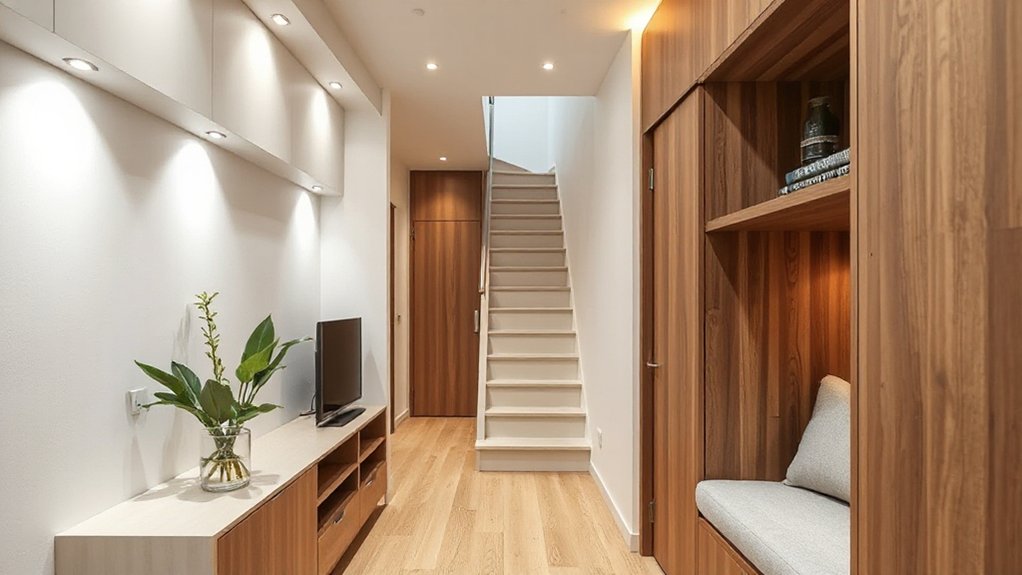
Smart lighting is the quickest way to brighten a narrow terrace without widening it. You’ll gain impact with strategic placement, color temperature, and dimming control.
Start with layered illumination: ambient ceiling or wall wash, task lights for entry zones, and accent spots to highlight architectural features.
For narrow terraces, choose slim-profile, high-output fixtures that blend with walls rather than clash with the space.
Use cool to neutral white for daytime clarity, switching to warmer tones in evenings to preserve atmosphere.
Incorporate dimmers to adapt brightness without full-on glare.
Consider smart lighting systems for scenes that match your routine, such as “morning wake-up” or “dining twilight.”
Guarantee wiring is concealed, weather-rated where applicable, and compatible with your existing switches for seamless control.
Smart lighting, narrow terraces, achieved.
Storage Solutions That Don’t Clutter
- Hidden compartments and lift-top ottomans maximize surface utility
- Multi functional furniture doubles as seating, storage, and work surface
- Wall-mounted units free floor space while keeping essentials visible
Color Palettes for Period Properties
Use these palette tips to keep rooms cohesive, breathable, and true to the home’s character.
Timeless Color Combinations
When selecting color palettes for period properties, focus on timeless combinations that respect the era while allowing modern comfort. You’ll balance restraint with warmth, using historically informed neutrals as a base and adding deliberate accents that read as authentic rather than gimmicky.
Choose undertones that echo plaster, timber, and brick, then layer texture with depth rather than brightness. This approach supports practical living, keeps walls durable, and pairs well with vintage furniture and classic textiles for cohesive rooms.
- Use warm stone, taupe, and muted greens as core neutrals to anchor spaces
- Pair vintage furniture and classic textiles with bold, restrained accent colors
- Favor low-sheen surfaces and durable finishes to preserve period character while modernizing durability
Period-Appropriate Palette Tips
A period-appropriate palette starts with a restrained base of warm neutrals that echo plaster, wood, and brick. Then layers in authentic accents that read as deliberate rather than decorative.
You should select low-saturation tones for walls that respect the era’s light levels, avoiding modern high-contrast schemes. Use pigment-rich whites and creams to preserve architectural details without overpowering them.
Introduce accent colors through conservation-friendly materials—tile borders, reeded wallpaper, and hand-painted trims—keeping hues to a single family per room.
Balance warm, earthy undertones with cool stone grays where appropriate to reflect historical authenticity.
Consider lighting and furniture finishes that reinforce the palette, ensuring architectural details remain the focal point.
Document your choices to support cohesion and maintain provenance.
Durable Surfaces for Busy Homes
Durable surfaces matter most in busy homes because they stand up to daily wear without constant upkeep. You want materials that perform without frequent refinishing or replacement, so you can focus on living rather than maintenance.
Prioritize flooring durability and countertop resilience to reduce scuffs, stains, and scratches. Choose surfaces that resist moisture, heat, and impact while still feeling comfortable underfoot and practical to clean.
- Opt for hard-wearing flooring like engineered wood or luxury vinyl that mimics timber without vulnerably exposing seams.
- Select solid-surface or quartz countertops for enduring resilience against knives, spills, and heat.
- Consider sealed stone or high-grade laminates with protective coatings to extend life and simplify upkeep.
Wall Treatments to Respect History
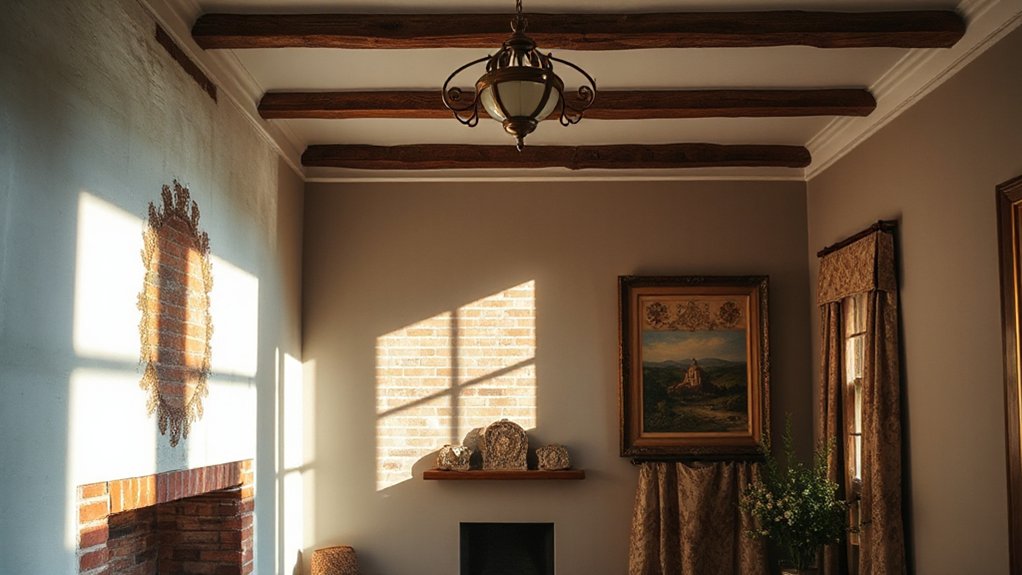
Wall finishes in older terraced homes carry history in their texture and patina, so approach wall treatments with restraint that honors that character while improving livability. You’ll prioritize authenticity over flashy trends, preserving original wall textures where possible.
Start with small, reversible changes—strip wallpaper only if it reveals a clean, stable substrate, and avoid aggressive smoothing that erases character. Use breathable paints in flat or eggshell finishes to maintain historic authenticity while reducing moisture issues.
Consider lime-based plasters or limewash on masonry to enhance patina without concealing it. For wood walls, opt for clear finishes that highlight grain rather than heavy stains.
Motivate updates with color palettes drawn from period rooms, balancing contrast and cohesion across rooms. Document restorations to support ongoing maintenance while celebrating wall textures.
Budget-Smart Upgrades With Big Impact
Smart budget upgrades can deliver big results in older terraced homes without compromising character. You’ll focus on small, impactful changes that don’t require major restructuring. Prioritize high-value tweaks that boost comfort and curb appeal while keeping the original feel intact.
Emphasize energy efficiency with simple, effective steps and pair them with garden landscaping tweaks to extend outdoor usability. Pick scalable, durable options you can implement over time, tracking costs and savings to justify each choice. Keep materials compatible with existing styles to preserve character.
- Improve insulation and seal drafts to lower heating needs without altering interior aesthetics
- Refresh key surfaces with durable, period-appropriate finishes and energy-smart lighting
- Integrate smart landscaping and hardscaping that enhance microclimates and exterior appeal
Invest gradually; clear metrics will guide decisions.
Frequently Asked Questions
How Can I Legally Modify Exterior Features on a Terrace With Permits?
Yes, you’ll need permits from your local planning authority and possibly your building control body, depending on changes to exterior features.
Start by identifying property boundaries and confirming setbacks before submitting applications. Make certain your plans don’t exceed permitted building height, preserve sightlines, and respect adjacent properties.
Provide detailed drawings, justify public benefit, and address potential neighbor objections.
Once approved, schedule inspections at key milestones and keep records for future property transactions.
Which Eco-Friendly Materials Balance Authenticity and Durability Best?
“Balance is a bridge.” You should choose sustainable flooring that lasts and feels timeless, like scanned daylight underfoot, and pair it with reclaimed fixtures for authenticity.
For eco-friendly durability, favor reclaimed wood, cork, bamboo, and low-VOC finishes. You’ll reduce waste, support heritage vibes, and avoid future regret.
Prioritize tight sourcing, proper sealing, and simple maintenance. Practically, test for wear, moisture, and slip resistance, and document provenance to protect value.
What Are Cost-Effective, Time-Efficient Renovation Timelines for Renters?
For renters, a realistic renovation timeline hinges on clear budget planning and tight time management. Start with a two-week sprint for essential fixes, then schedule one-week blocks for cosmetic updates.
Prioritize durable, low-maintenance materials and snag-free installations. Expect weekends for minor tasks, weekdays for coordination with landlords.
Track progress daily, adjust scopes as needed, and set milestones. Communicate openly about permissions and delays.
Your plan should maximize value while minimizing disruption and cost.
How Do I Maximize Resale Value Without Heavy Construction?
You can maximize resale value without heavy construction by focusing on interior lighting and furniture placement. Add layered lighting—ambient, task, and accent—to brighten spaces and feel larger.
Place furniture to create clear traffic flow, highlight focal points, and maximize wall space for displays. Use neutral finishes with subtle upgrades, like stylish hardware and refreshed window treatments.
Declutter, optimize storage, and guarantee consistent scale. These tweaks deliver high impact, low disruption, fast returns.
Which Tax Incentives or Grants Support Terraced-Home Updates?
Tax rebates and grant programs can support terraced-home updates. You should check national and local schemes, such as energy-efficiency rebates and housing improvement grants, to see eligibility and limits.
You’ll often need home-owner status, proof of income, and project details. Apply early, gather quotes, and document energy savings.
Track deadlines, and be prepared for audits. If you qualify, these incentives reduce upfront costs, making renovations more affordable while boosting efficiency and value.
Conclusion
You don’t need a total rebuild to honor a terrace’s heartbeat. With authentic materials, thoughtful layouts, and smarter storage, you’ll thread modern comfort through its character like a careful seam. Prioritize breathable finishes, layered lighting, and durable surfaces that age gracefully. Keep drafts at bay, let daylight in, and choose colors that echo the era without shouting. A well-planned update is a quiet transformation—a durable, timeless home that still feels like coming home.