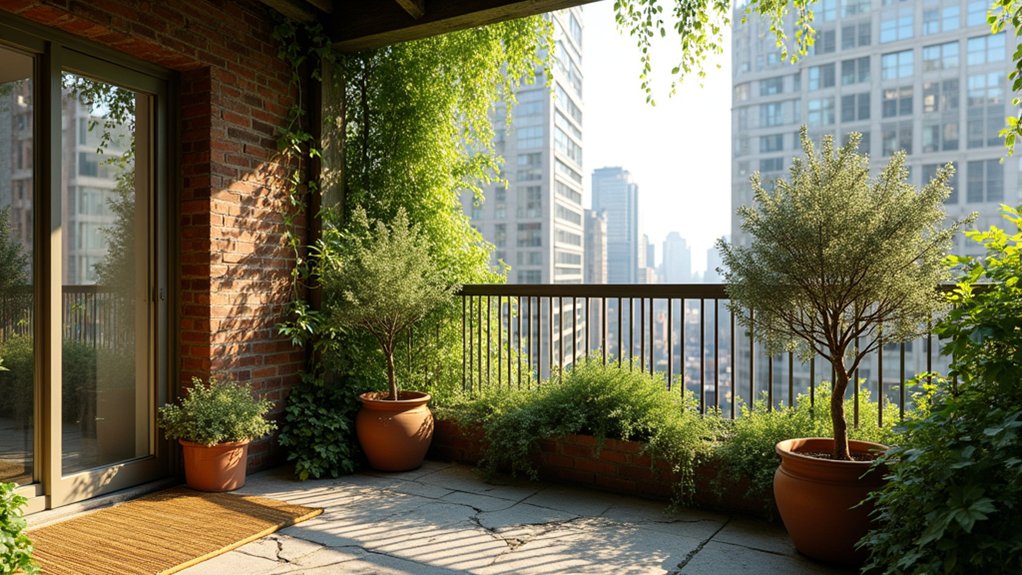

The benefits of biophilic design in urban living stem from integrating natural light, plants, and authentic materials to boost mood, focus, and resilience while improving air quality and ecological connectivity. You’ll experience reduced stress, sharper attention, and better sleep as daylighting, greens, and textures shape microclimates and perceptual clarity. Modular plant strategies, acoustics, and accessible design support health for all residents. Stay tuned for actionable, room-by-room strategies that maximize these outcomes.
Key Takeaways
- Biophilic design enhances cognitive function, reduces stress, and improves mood by integrating natural elements into urban spaces.
- Daylight, natural materials, and vegetated facades improve air quality, energy efficiency, and occupant comfort in dense cities.
- Greenery supports urban biodiversity, ecosystem services, and ecological connectivity, benefiting pollinators and soil health.
- Small-space planning with vertical gardens and acoustic/ventilation optimization creates calm, productive environments.
- Measurable outcomes—well-being, productivity, and ecological metrics—guide scalable design for lasting sanctuary in cities.
Why Biophilic Design Matters in Urban Living
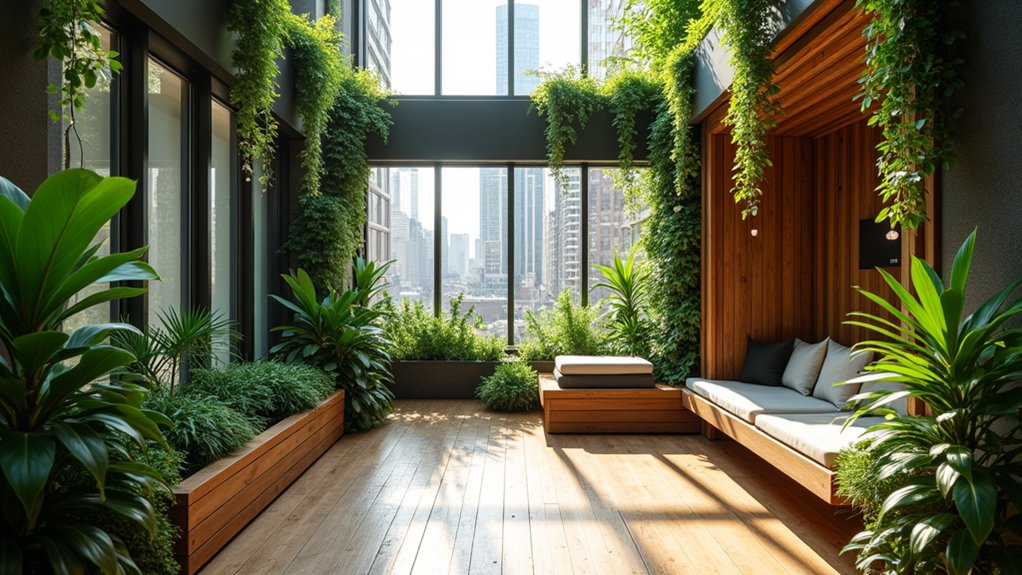
Biophilic design matters in urban living because exposure to natural elements directly influences cognitive function, stress reduction, and overall well-being in dense environments. You open measurable benefits by integrating natural forms, materials, and patterns into daily spaces, enhancing occupant performance and satisfaction.
In practice, this means prioritizing daylight, vegetated facades, and accessible greens, which collectively shape microclimates and air quality. You should also recognize the role of urban biodiversity in sustaining ecosystem services that support food webs, pollination, and soil health within cities.
The Psychology of Nature: Stress Reduction and Focus
You’ve seen how natural elements reshape urban life; now we examine how nature shapes the human mind. In controlled settings, exposure to natural cues reduces physiological stress markers and improves executive function, supporting a robust case for nature therapy in daily life.
Sensory immersion—combining sight, sound, scent, and texture—enhances attention restoration and cognitive flexibility, especially amid dense urban stimuli. By aligning built environments with restorative patterns found in ecosystems, you can lower cortisol, stabilize heart rate, and promote quicker recovery after demanding tasks.
The mechanism is functional, not mystical: rhythmic visuals, organic forms, and gentle tonalities lower perceived overload and widen attentional bandwidth. Integrating nature-forward design consequently yields measurable gains in focus, mood, and sustainable performance.
Light, Air, and Water: Natural Elements in Urban Interiors
Natural light, clean air, and reliable water access are foundational elements for healthy urban interiors, guiding both occupant well-being and energy performance. You design spaces to optimize daylight penetration, leveraging Sunlight patterns to reduce artificial lighting needs and thermal loads. Efficient glazing, light shelves, and orientation control minimize glare while preserving view and circadian cues.
Air circulation strategies maintain indoor air quality, balancing supply and exhaust with pressure differentials to prevent stagnation and contaminant buildup. Implement radiant cooling or underfloor systems in conjunction with ventilation to improve comfort without excessive fan energy.
Water efficiency complements these measures, supporting humidity control and occupant health. Prioritize integrated sensing and control to adapt to occupancy, weather, and usage, ensuring consistent performance across seasons.
Plant Strategies for Small Apartments and Busy Offices
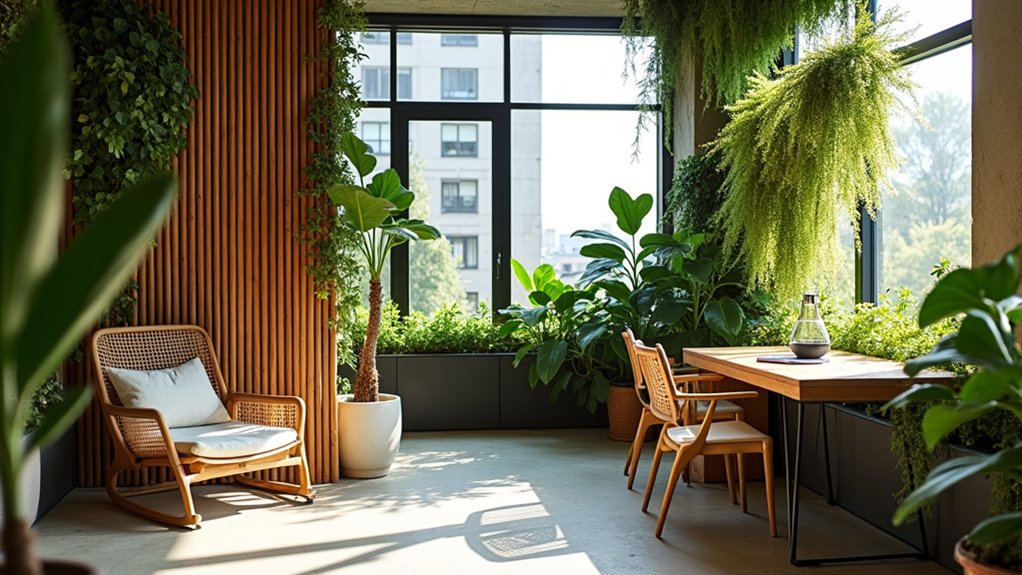
Vertical plant hacks and compact arrangements reduce footprint while maximizing greenery in tight spaces. You’ll optimize vertical surfaces with shelves, hanging planters, and wall-mounted systems.
Keeping care routines simple and scalable for busy environments is also important. Together, these strategies create resilient biophilic benefits without clutter, supporting air quality, focus, and well-being.
Vertical Plant Hacks
Start with shelves, wall-mounted planters, and tension wire trellises to create layered green zones without clutter. Choose compact, drought-tolerant species for reliability in varying schedules.
In busy offices, automated irrigation and moisture sensors protect health while reducing care time. For apartments, modular systems adapt to evolving layouts, supporting seasonal rotations and easy swaps.
Benefits extend beyond aesthetics: improved acoustics, microclimate stabilization, and psychological well-being.
Leverage urban rooftop gardens and vertical garden art concepts to elevate design coherence, ensuring structures remain secure, accessible, and visually intentional.
Compact Plant Arrangements
Use succulent arrangements to deliver low-maintenance color and texture without demanding substantial light or water. Incorporate shelves, corner units, and hanging planters to free desk real estate.
Layer planters at varying heights to create depth and microclimates, boosting perceived room size while maintaining biophilic benefits. Integrate moss wall art as a dynamic focal point that requires minimal space and maintenance, enhancing acoustics and humidity moderation.
Execute a cohesive palette of greens and neutrals, with systematic rotation to sustain visual interest. In practice, document placement, care schedules, and performance metrics for continuous optimization.
Materials and Textures That Bring the Outdoors Inside
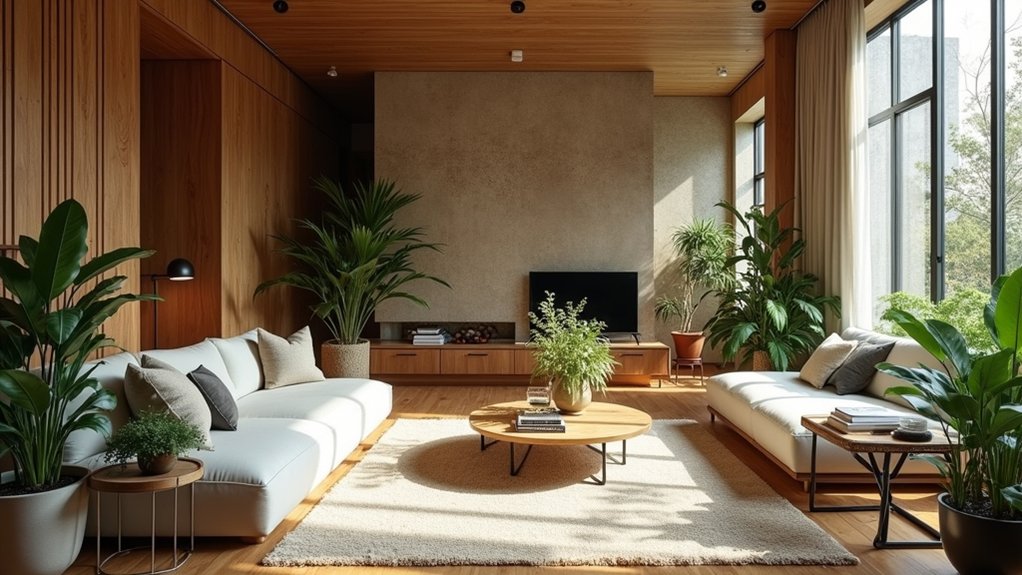
You’ll explore how natural textures and real feels translate outdoors into indoor environments, reinforcing occupants’ connection to nature through tactile and visual cues.
By selecting materials that feel warm and rich, you create an indoor-outdoor material palette that supports biophilic goals with precision and consistency.
Start with a deliberate combination of textures and finishes that evoke the outdoors, and align them with performance needs to maximize longevity and sensory clarity.
Natural Textures, Real Feel
Natural textures connect people to place by translating outdoors into indoor tactility. You’ll harness perceptual cues that strengthen context, selecting materials with authentic grain, fibers, and surface variation to evoke outdoor conditions. The goal is a precise, durable “real feel” that ages gracefully and reduces cognitive load through consistent tactile signals.
You’ll evaluate texture depth, warmth, and grip to assure safe, universal usability while maintaining biophilic intent. Prioritize natural textures that resist wear and allow seasonal light to reveal nuanced surfaces, enhancing immersion without decorative clutter. Use controlled finishes to preserve tactile integrity and minimize chemical off-gassing.
- Rough-hewn timber with satin or matte seals for bite and warmth
- Textured stone veneers with subtle porosity for moisture management
- Barely brushed textiles that maintain grip and comfort while aging gracefully
Materials: Warm & Rich
Materials that feel warm and rich translate outdoor atmosphere into interior space by selecting substrates and finishes that read as organic, enduring, and tactile. You curate textures that fuse natural grain, hand-feel, and durability, balancing resilience with a sense of provenance.
Opt for woods with varied grain, brushed metal accents, and stone veining that subtly echoes forest and rock terrain. Finish choices should deepen warmth without glare, prioritizing low-sheen surfaces that invite touch and reduce glare from urban art reflections.
Consider tonal harmonies that mirror soil, bark, and moss, reinforcing a grounded, restorative mood amid city sounds. Introduce textiles and coatings with micro-structured textures for perceptual depth.
This approach aligns materiality with biophilic intent, enhancing perceived comfort while sustaining architectural clarity in dense urban environments.
Indoor-Outdoor Material Palette
- Durable substrates that read as architectural outside-inside motifs
- Eco friendly finishes paired with breathable, sustainable textiles
- Tactile textures that shift seamlessly from exterior to interior
Health and Resilience: Air Quality and Acoustic Comfort
Air quality and acoustic comfort are fundamental to health and resilience in built environments. Superior air quality reduces exposure to pollutants and allergens, lowers respiratory strain, and supports cognitive function.
Effective sound management minimizes noise-related stress and sleep disruption. You design spaces that actively monitor, filter, and circulate fresh air, using advanced air filtration to remove particulates and VOCs without compromising energy efficiency.
Sound insulation minimizes intrusion from external noise and internal HVAC systems, preserving focus and rest. Implement ventilation strategies aligned with occupant exposure patterns, and integrate acoustic zoning to protect sensitive areas.
Inclusive, Accessible Biophilic Design Principles
- Establish universal access criteria aligned with urban biodiversity goals and inclusive design principles.
- Prioritize legibility and wayfinding through texture, color, and sightlines that aid diverse users.
- Integrate scalable, maintainable green systems that support long-term inclusivity.
Start Today: A Room-by-Room Makeover Plan
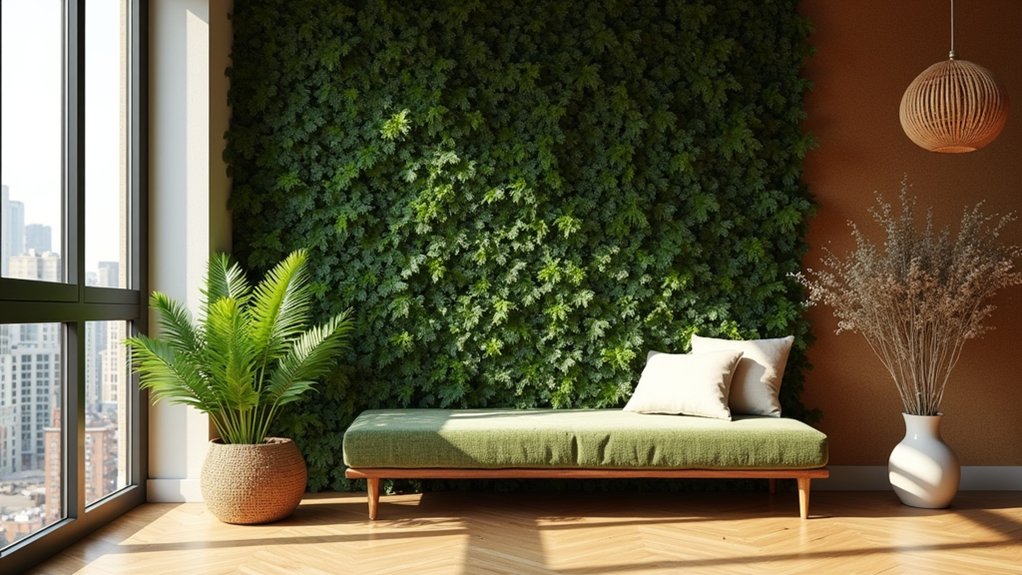
Start today with a room-by-room makeover plan that translates biophilic design into concrete changes you can implement now. Begin with your entry: add natural materials, a living plant wall, and daylight-maximizing layouts to invite urban wildlife inside without compromising privacy.
In the living room, select eco-friendly furniture that uses certified wood and low-VOC finishes. Arrange seating to frame views of greenery, and introduce textures that mimic nature.
In the kitchen, choose accessible planters, herb rails, and recycled glass surfaces to reduce environmental impact.
In bedrooms, use breathable fabrics and subtle plant accents to improve air quality and circadian cues.
Finally, in workspaces, prioritize daylight, acoustic plants, and durable, sustainable fixtures to sustain long-term biophilic benefits.
Measuring Impact: What Success Looks Like in Urban Sanctuaries
To quantify the benefits you’ve begun implementing, you’ll establish clear metrics that tie biophilic design elements to measurable outcomes in urban sanctuaries. You’ll track how space, light, materials, and vegetation influence behavior, health indicators, and biodiversity, ensuring data-driven progress toward ecological goals. The focus stays on concrete results rather than impressions, enabling rigorous evaluation of our strategies.
- Monitor urban wildlife activity and species richness to assess ecological connectivity and habitat value.
- Measure occupant well-being through validated wellness indicators, productivity, and stress proxies linked to biophilic features.
- Assess ecological connectivity improvements via corridor usage, plant diversification, and air/thermal comfort stability.
These metrics translate sanctuary design into verifiable impact, guiding iterative refinements and demonstrating measurable success.
Frequently Asked Questions
How Can Biophilic Design Save Energy in Cities?
Biophilic design saves energy by reducing cooling loads and optimizing lighting. You’ll use green roofs and daylight harvesting, lowering HVAC demand, shrinking peak power, and improving overall efficiency while maintaining comfort and occupant productivity in dense urban settings.
Can Biophilic Design Support Mental Health Across Cultures?
Biophilic design can support mental health across cultures by aligning spaces with Cultural perceptions and enhancing Emotional resonance; you experience reduced stress and improved mood when diversity-friendly green cues trigger familiar, meaningful connections, regardless of background or locale.
What Are Cost-Effective Plant Options for Rent-Friendly Spaces?
9 in 10 renters report greener spaces boost mood by 40% (statistic). You can use vertical gardening with low maintenance plants, selecting options like pothos and ZZ plant to maximize impact while keeping costs down and upkeep minimal.
How to Maintain Indoor Biodiversity Without Allergies?
To maintain indoor biodiversity without allergies, you prioritize indoor air quality and implement pest control strategies that minimize irritants. You monitor plant selections, use low-allergen species, and employ integrated control methods to sustain biodiversity without triggering allergic reactions.
Which Metrics Best Capture Daily Well-Being Benefits?
Natural lighting and air quality best capture daily well-being benefits, you measure them with continuous light exposure and real-time air sensors, then compare fluctuations to thresholds, proving how design choices drive mood, cognition, and physical comfort in occupied spaces.
Conclusion
You can’t ignore the city’s pulse, but you can ride it with a buffer of living light. Biophilic design isn’t a garnish; it’s a working system—air flows, sound softens, and daylight aligns with your circadian clock. By shaping spaces that invite plants, texture, and water, you convert concrete into sanctuary. Start small, measure impact, iterate with intent. Your urban refuge isn’t a dream; it’s a precise, scalable strategy that sharpens focus, reduces stress, and renews resilience.