


True luxury isn’t what you see first—it’s what you feel every day. You notice it when your layout supports your routines, steps are shortened, and storage lands exactly where you need it. You hear it in quieter rooms, solid doors, and softened echo. You experience it through layered, dimmable warm lighting and comfortable temperatures. You touch it in refined hardware and balanced textures that stay calm and cohesive. Keep going to learn how to design that ease.
Define What True Luxury Feels Like
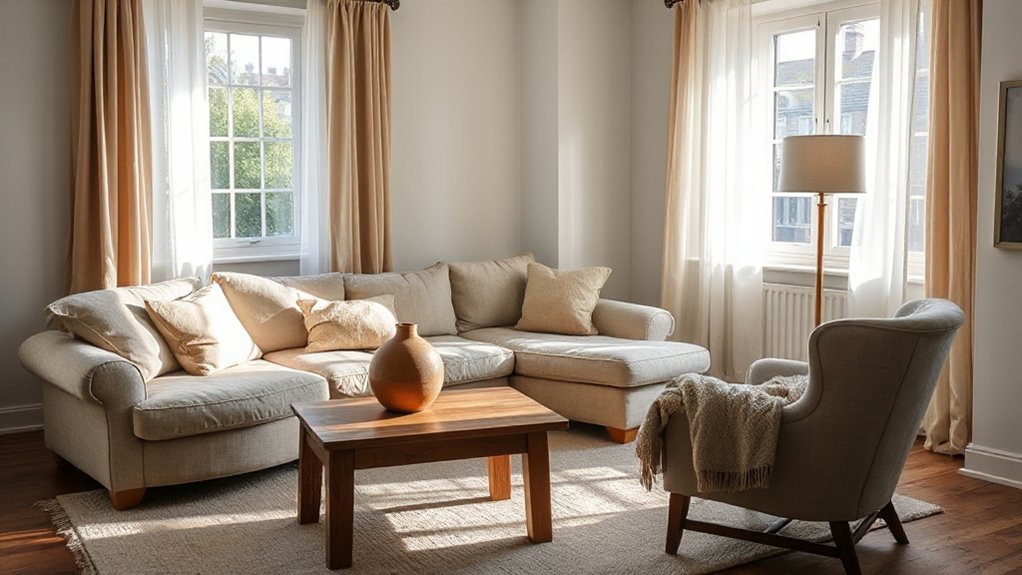
Although premium finishes can impress at first glance, true luxury reveals itself in how your home feels as you move through it—quiet, effortless, and intuitively supportive of your routines.
You define it by tuning in to your sensory experience: the hush created by layered acoustics, the steadiness of balanced lighting, the comfort of temperature that never distracts, and the softness underfoot that invites you to slow down.
You also measure luxury by emotional connection—spaces that calm you on arrival, restore you after work, and reflect your values without announcing them.
You’ll know you’ve achieved it when every touchpoint feels considered: hardware that glides, doors that close silently, textiles that breathe, and storage that keeps visual noise out of sight.
Plan a Layout With Easy Daily Flow
When you map your home around how you actually live, luxury starts to feel effortless. Begin by tracking your daily routes: entry to drop zone, kitchen to pantry, bedroom to bath. Then shorten the steps, widen pinch points, and remove obstacles that force detours. You’ll feel calm because everything lands where your hands naturally reach.
Prioritize clear sightlines and intuitive zones so rooms support one another instead of competing. Place seating where conversation happens without crossing traffic paths, and align storage with the activities it serves. Use artistic details—like a sculptural console or curated wall niche—to anchor key moments without cluttering movement.
When proportions, clearances, and adjacencies are right, you get spatial harmony: a home that flows smoothly, quietly, and confidently every day.
Layer Lighting for an Effortless Luxury Feel
Because light shapes how every surface reads, layered lighting is the fastest way to make your home feel quietly luxurious. Start with a controllable ambient glow: recessed, cove, or ceiling fixtures on dimmers set your baseline and soften contrasts.
Then add mid-level sources—sconces, picture lights, and floor lamps—to sculpt faces, textiles, and art without harsh hotspots.
Finally, deliver task brilliance where you work: under-cabinet strips in the kitchen, a focused reading lamp by seating, and mirror-side lighting in the bath for accurate grooming.
Specify warm, consistent color temperature across fixtures and hide the hardware when you can, letting the effect lead.
Use scenes—Welcome, Evening, Entertain—so you adjust mood instantly, without thinking.
Make the Home Quieter and More Private
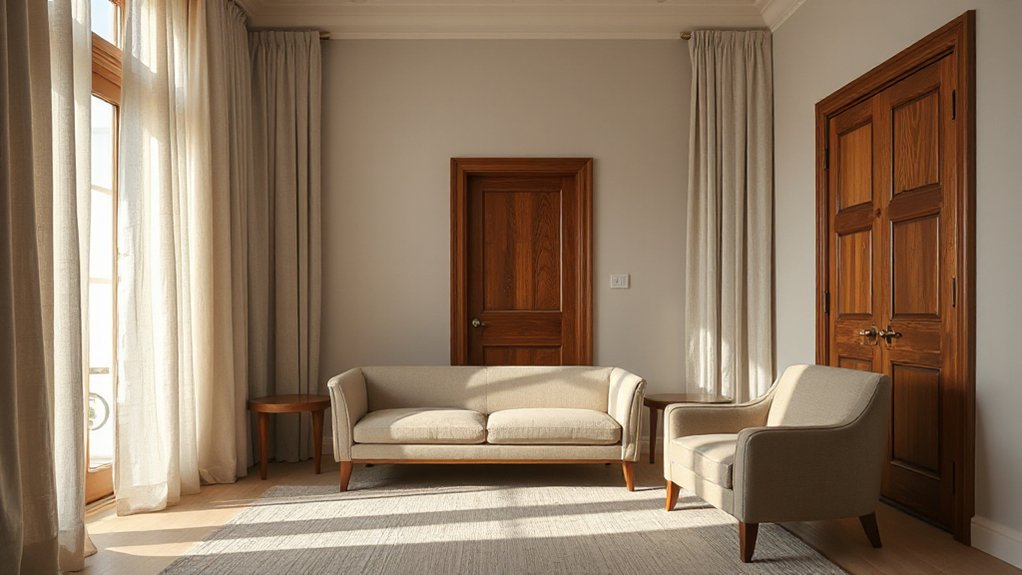
If you want your home to feel truly luxurious, you can’t ignore acoustics and privacy—the most refined rooms feel calm, contained, and protected from visual and sound spill. Start by mapping where noise enters: street-facing windows, shared walls, hard corridors, and open stairwells.
Then apply targeted soundproofing techniques: seal door undercuts, specify solid-core doors, add acoustic insulation in key partitions, and choose laminated glazing where traffic is constant. Control reverberation with discreet ceiling or wall panels in media rooms and hallways.
For privacy zone design, separate public and private circulation: keep sightlines from entry to bedrooms closed, buffer suites with closets or vestibules, and position workspaces away from social hubs. You’ll feel relaxed because your home respects boundaries.
Mix Textures for Warm, Lived-In Luxury
Even with a restrained palette, you’ll only get that warm, lived-in luxury by layering textures that register at arm’s length. You’re designing for touch, sound, and comfort, not showroom perfection.
Start with Material contrast—pair matte with soft sheen, tight weave with nubby pile—then keep Color harmony so the room feels calm, not busy.
Balance large, quiet surfaces with smaller tactile moments, and repeat textures across zones to make the home feel cohesive and settled.
- Washed linen or cotton on seating
- Hand-knotted wool or flatweave underfoot
- Brushed wood or oak veneer for warmth
- Honed stone or microcement for grounded mass
- Hammered metal or aged brass for depth
Finish With Details That Elevate Everyday Life
You feel luxury most in the details you touch every day, so you’ll specify hardware and trim that register as solid, quiet, and precise.
You’ll layer lighting touchpoints—ambient, task, and accent—so every switch and dimmer supports how you move through the space.
You’ll also build custom storage micro-moments, from dedicated drop zones to purpose-fit drawers, that remove friction and keep life running smoothly.
Thoughtful Hardware And Trim
Because the hand meets the home before the eye settles on the finishes, hardware and trim deserve the same design rigor as your millwork plan. You’ll feel quality in the latch throw, the pull’s weight, and the quiet alignment of reveals. Treat these touchpoints as functional jewelry—ornamental fixtures and decorative accents that also perform.
- Specify solid cores, not hollow castings, for pulls and knobs.
- Align hinge, strike, and handle heights across every door.
- Match trim profiles to sightlines: casing, base, crown, and panels.
- Control gaps and miters; demand crisp corners and consistent caulk lines.
- Choose finishes that age gracefully and can be serviced, not replaced.
When these details stay consistent room to room, your home feels intentional, calm, and unmistakably custom.
Layered Lighting Touchpoints
While finishes set the mood, layered lighting controls how you live in the space from morning through midnight. You need a clear lighting hierarchy: ambient glow for overall comfort, task lighting for precision, and accent light for depth and art.
Specify dimmable circuits, not just pretty fixtures, so your home shifts from energized to restorative with one touch. Place keypads where your hand naturally lands—entry, bedside, kitchen—then program scenes for wake-up, cooking, entertaining, and wind-down.
Use warm color temperatures, shield glare with lenses and trims, and balance ceiling light with wall and floor sources to avoid a flat wash. When lighting responds instantly and quietly, the room feels expensive because it supports you.
Custom Storage Micro-Moments
Once the lighting scenes feel effortless, storage becomes the next place luxury shows up—quietly, in the seconds you touch every day. You don’t need more cabinetry; you need it to behave perfectly: doors that open the way you approach, drawers that present what you reach for, and interiors sized to your routines.
Personalized organization turns clutter into calm, while hidden compartments protect valuables without advertising them. Specify hardware that feels decisive, not fussy, and finishes inside that resist wear where hands and bags actually land.
- Drawer dividers mapped to your daily kit
- Pull-out trays for charging and mail drop
- Soft-close, full-extension slides for one-touch access
- Concealed safes and hidden compartments behind panels
- Shoe and bag bays with lighting at toe level
Frequently Asked Questions
How Do I Define Luxury if I Rent and Can’T Renovate?
You define luxury by curating a Luxury lifestyle through movable, renter-safe upgrades: layered lighting, refined textiles, cohesive palettes, and clutter-free storage. You control scent and sound to craft Emotional ambiance that feels intentional, calm.
What’s the Best Way to Add Luxury on a Tight Budget?
On a tight budget, you’ll craft luxury like candlelight on velvet: prioritize Luxury ambiance through layered lighting, plush textiles, and calming scents. Curate a Sensory experience with decluttered surfaces, cohesive colors, and one standout art piece.
How Can Luxury Design Reflect My Culture or Personal History?
You can make luxury reflect your culture by prioritizing Cultural authenticity and Personal storytelling: curate heirlooms, regional textiles, and artisanal objects, then translate motifs into custom millwork, palette, and lighting so your space honors origins without feeling themed.
Which Materials Feel Luxurious but Are Also Kid- and Pet-Friendly?
You’ll love high-performance velvet, solution-dyed wool rugs, and full-grain aniline leather with protective topcoat; think enduring like heirlooms. You’ll get textural contrast and a richer sensory experience, yet they resist stains, claws, and spills.
How Do I Choose a Designer Who Prioritizes Feeling Over Finishes?
Choose a designer by interviewing for Emotional connection and Sensory experience focus. You’ll ask about process, mood boards, lighting, acoustics, and touchpoints. Check past clients’ feedback on comfort, calm, and how you’ll feel daily.
Conclusion
True luxury shows up in how you feel at home, not in a list of pricey finishes. When you’ve planned a layout that supports your routines, layered lighting to flatter every moment, and added quiet through smart acoustics and privacy, your space starts working for you. Mix tactile textures so rooms feel welcoming, not staged. Then dial in the details—hardware, storage, and comfort—so daily life runs smooth as silk.


