


Did you know that a fresh garden bed can boost curb appeal by up to 20%? You’ll start with a sharp cleanup and quick prune to set a clean base, then test soil and amend as needed before choosing early bloomers that tolerate your climate. The plan pays off with smart mulching, steady irrigation, and tidy borders—but the next steps will shift your approach from cleanup to lasting bloom, and there’s a method to keep you on track.
Key Takeaways
- Do a quick spring cleanup: remove debris, prune dead/damaged branches, and reseat loose edging for a fresh foundation.
- Assess soil and mulch: test soil pH, amend as needed, and apply 2–3 inches of mulch to conserve moisture.
- Plan and plant for bloom succession: choose spring and early-summer varieties, group plantings, and label modules for rotation.
- Refresh irrigation and paths: check drainage, adjust watering schedules, and clear pathways to reduce clutter and improve access.
- Track pests and health: inspect regularly, note issues, and apply organic controls promptly while sanitizing tools.
Define Your Spring Garden Refresh Goals
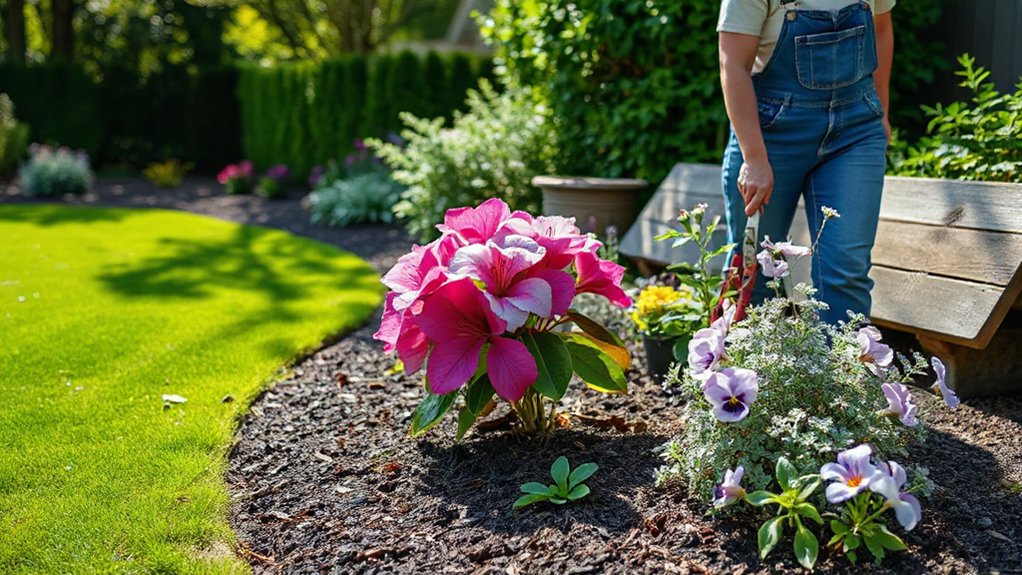
Before you start any work, define what you want from your spring garden. You’ll set clear goals to guide every decision—from layout changes to plant selections. Begin with outcomes: color rhythm, bloom times, and maintenance level.
Map a practical garden layout that matches your site’s light, soil, and drainage, ensuring paths, beds, and focal points support your daily routine.
Establish planting themes that align with your climate and personal style, such as cottage, minimalist, or edible borders.
Specify success metrics: number of flowering weeks, pollinator support, and annual budget.
Prioritize tasks by impact, timing, and effort, then translate goals into a concise plan.
Review annually, adjusting for performance, pests, and evolving preferences to sustain purposeful growth.
Quick Cleanup: Debris Removal and Immediate Clean
Clear the space quickly by removing all debris and trash from last season’s bed edges, paths, and containers so you can assess the soil and structure without obstacles. Start by collecting loose leaves, broken pots, and shredded mulch, then cart them to the compost or green bin.
Sort intact soil blocks for reuse and set aside contaminated material for disposal. Inspect edging and borders; reseat any loose stones to create clean lines for the new season.
As you sweep, note hotspots for pests and potential disease—address them now rather than later. Clear pathways to guarantee safe access for tools and watering.
Integrate garden decor strategically, keeping high-traffic zones clear. This rapid cleanup reduces clutter, supports pest control, and prepares a solid foundation for spring gardening.
Prune With Purpose for Quick Spring Impact
Pruning now isn’t optional—it’s your fastest route to a vigorous spring display. You’ll target structure first, cutting dead, diseased, and crossing branches to prevent crowding. Focus on base shoots and outward-facing growth to improve airflow and light penetration, which accelerates new bloom on fruiting and flowering shrubs.
Use clean, sharp tools and make cuts at a slight angle just above a bud facing the outside of the plant. Emphasize seasonal pruning for evergreen shrubs to preserve foliage color while removing redundant growth.
For shrub shaping, enforce a clear silhouette by removing outward-leaning or inward-crossing limbs, maintaining balanced symmetry. Do this before new growth commitments, and document changes for next season.
Consistency yields quick, visible spring impact without overdoing it.
Assess Soil and Mulch: Feed the Beds for Longevity
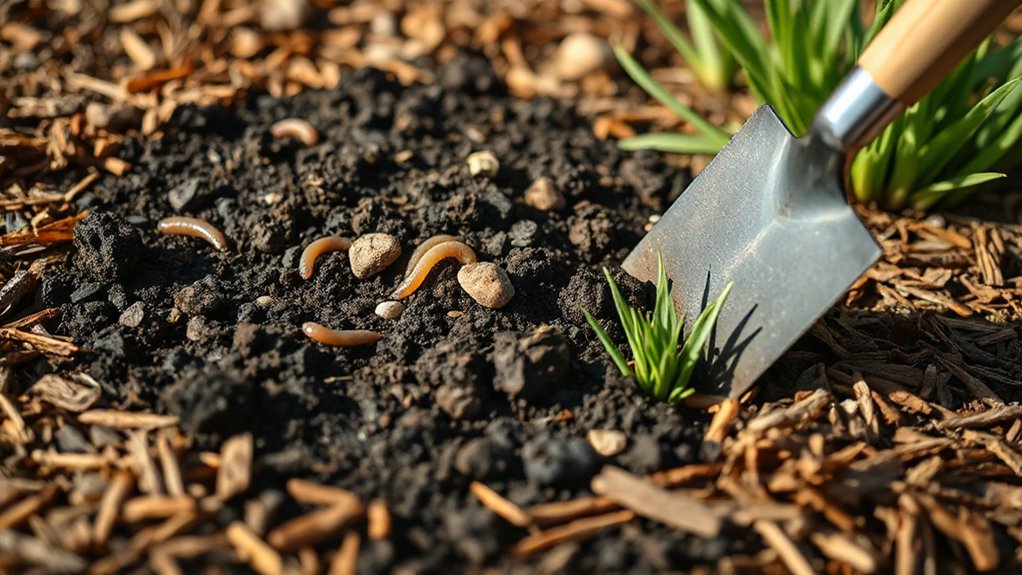
Now that you’ve sharpened structure, shift to the soil: assess its health and mulch to feed the beds for longevity. You’ll test soil quality, texture, and pH, then amend as needed to support roots this spring.
Use mulch types to regulate moisture, suppress weeds, and improve soil structure over time. Prioritize even coverage and avoid piling mulch against stems to prevent rot.
- Check soil testing results and apply lime or sulfur precisely where needed
- Choose mulch types suited to your beds, such as shredded hardwood or composted leaf mulch
- Replenish mulch to a 2–3 inch layer, adjusting after rainfall and cultivation
With careful measurements and consistent mulch management, your beds stay fertile, hydrated, and productive all season.
Plant for Lasting Color: Smart Choices for Spring to Summer
For lasting color, choose a mix of spring bloomers and early-summer performers that pair well with your existing beds, ensuring continuous visual interest from late spring through midsummer. You’ll select resilient varieties with complementary foliage to support color coordination across beds.
Prioritize drought-tolerant, disease-resistant options and stagger bloom times for ongoing recurrence. Pair cool-toned blossoms with warm accents to maintain balance and reduce competition for light.
Group plants in cohesive modules rooted in your soil’s drainage and sun exposure, then label them for easy rotation. Monitor plant health regularly, removing stress signs early and deadheading to sustain robustness.
Apply a light, organic fertilizer after bloom peaks, and mulch to conserve moisture while keeping roots cool. Maintain color cohesion year-round through thoughtful succession planning.
Weekend Upgrades for Lawn and Beds
Weekend upgrades kick off with a quick lawn trim to even texture and remove stray clippings. Then refresh the beds with a fresh mulch layer.
Focus your attention on neat edges, weed control, and a uniform mulch depth to boost moisture retention and curb appeal.
If you’ve got time, schedule a quick mulch refresh this weekend and plan ongoing mulch maintenance for the season.
Lawn Trim Tidy Up
To get your lawn rentals ready for spring, start with a clean edge and a tight trim around sidewalks, driveways, and garden beds. You’ll establish a crisp baseline that boosts overall lawn health and sets the tone for the season. Use sharp blades and steady passes to avoid ragged edges. Aim for uniform height, then evaluate trimming techniques for any irregular spots.
- Measure and maintain consistent height
- Swap blades for clean, precise cuts
- Edge firmly along borders for defined lines
Proceed with targeted touch-ups: corners, around obstacles, and along curb lines. After trimming, clear clippings and inspect for missed patches, reseed if needed. Hydrate lightly and monitor growth, adjusting mower settings as shoots thicken.
This disciplined approach delivers immediate curb appeal and sustained lawn health through spring.
Beds Mulch Refresh Weekend
A beds mulch refresh weekend means you’ll upgrade bed borders in one focused session, delivering instant weed suppression and insulation for root systems.
Start by surveying your garden bed layout to identify high-traffic or sparse areas, and mark borders with stakes. Remove debris and existing mulch that’s degraded, then edge cleanly to create crisp lines.
Choose a mulch color option that complements your plant palette and house exterior, leaning toward brown for a natural look or charcoal for contrast.
Apply a uniform layer 2 to 3 inches thick, avoiding piled mulch against stems. Rake to smooth, water lightly to settle, and inspect for gaps.
Finish by mulching around perennials first, then shrubs, maintaining even coverage for maximum soil protection and moisture retention.
Low-Maintenance Perennials to Anchor the Bed
Choosing low-maintenance perennials gives your bed immediate structure and ongoing color with minimal effort. You’ll select sturdy, reliable varieties that thrive with little intervention, establishing a lasting backbone for the design.
Focus on plants that resist heat, cold, and drought while maintaining tidy growth and strong root systems. For perennial selection, prioritize species known for longevity, disease resistance, and low fertilizer needs.
Pair evergreen foliage with seasonal blooms to sustain interest throughout the year. Use low maintenance greenery to anchor borders and reduce bed churn, creating a cohesive canvas for annual accents.
- Sedum and Hylotelephium varieties for drought tolerance and architectural form
- Coreopsis, Echinacea, and Gaillardia for recurring color with modest care
- Ornamental grasses (Stipa, Miscanthus) for texture and year-round structure
Simple Maintenance Plan for Ongoing Blooms
A simple maintenance plan keeps your blooms coming all season by combining smart pruning, regular feeding, and timely deadheading. You’ll establish a routine that targets peak display periods and reduces overwintering risks.
Begin with a monthly calendar: prune after first flush to encourage sturdy stems, then fertilize with a balanced fertilizer during early growth and repeat according to label directions.
Schedule deadheading weekly to redirect energy toward new blooms, not seed formation.
Monitor soil moisture and adjust irrigation to avoid stress and disease.
Implement fertilizer application and pest control only as needed, basing decisions on plant response and labelling.
Record any issues and adjust your approach for the next cycle.
Maintain cleanliness, sanitize tools, and inspect for signs of nutrient deficiency or pest pressure to sustain ongoing color.
Frequently Asked Questions
What Are Budget-Friendly Ways to Refresh Without Heavy Labor?
You can refresh on a budget with low-effort steps: start with container planting for instant color, using affordable pots or repurposed containers.
Add mulch techniques to suppress weeds and retain moisture, reducing maintenance.
Swap in quick, climate-appropriate perennials or annuals from sales.
Use a simple drip-line or soaker hose to cut water use.
Refresh soil with compost, then top with fresh mulch.
This approach stays practical, cost-effective, and easy to implement.
How Often Should I Water Newly Refreshed Beds in Spring?
Water new beds gently twice daily for the first week, then taper to once daily as the soil stays moist. Think of the soil drinking slowly, roots stretching like lilypads toward morning sun.
Use Garden tools to monitor moisture and adjust.
After rain, skip watering.
Do a quick soil testing weekly to confirm moisture levels stay even.
You’ll know you’re done when the bed maintains consistent dampness without soggy patches.
Which Fast-Growing Perennials Suit Shady Spots?
Shade-loving plants include hostas, astilbes, ferns, and heucheras, which suit shady spots for rapid perennial growth.
For visual impact, pair contrasting textures and masses rather than singles.
Guarantee rich, moist, well-drained soil and consistent moisture to encourage rapid perennial growth.
Use mulch to suppress weeds and conserve moisture.
You’ll want to stagger bloom times with bulbs or foliage accents.
Prune lightly after flowering to maintain vigor, and monitor for pests that target shade-loving plants.
Can Compost Improve Spring Blooms Without Chemical Fertilizers?
Yes, compost can improve spring blooms without chemical fertilizers. Use organic amendments to feed soils, not just plants, boosting soil health.
Apply a 2–3 inch layer of well‑finished compost over beds, then lightly incorporate or mulch.
Regularly test soil and adjust pH if needed.
Water deeply and consistently to activate nutrients.
Expect stronger blooms as microbial activity increases, nutrient cycling improves, and plants access steady, breathable nutrition throughout the season.
How to Prevent Common Pest Problems During Early Spring?
You can prevent common pest problems in early spring by staying vigilant and acting early. Plant pest resistant plants where they’ll thrive, and diversify beds to disrupt cycles.
Use natural pest deterrents like neem oil, insecticidal soap, and companion planting, applying them promptly after spotting trouble.
Inspect weekly, remove affected foliage, and mulch to deter overwintering pests.
Maintain healthy soil to bolster resilience, and rotate crops to break pest patterns.
Conclusion
Picture your garden waking: edges neat, borders reborn, mulch dark as a winning blanket. You pull the last dead stem, spray the beds with fresh energy, and hear soil sigh with new nutrients. You’ve pruned with intent, tested the earth, and laid a palette of early bloomers that glow through spring into summer. With a steady routine—watering, mulching, deadheading—you’ll watch color settle in, thrive, and carry your effort all season long.


