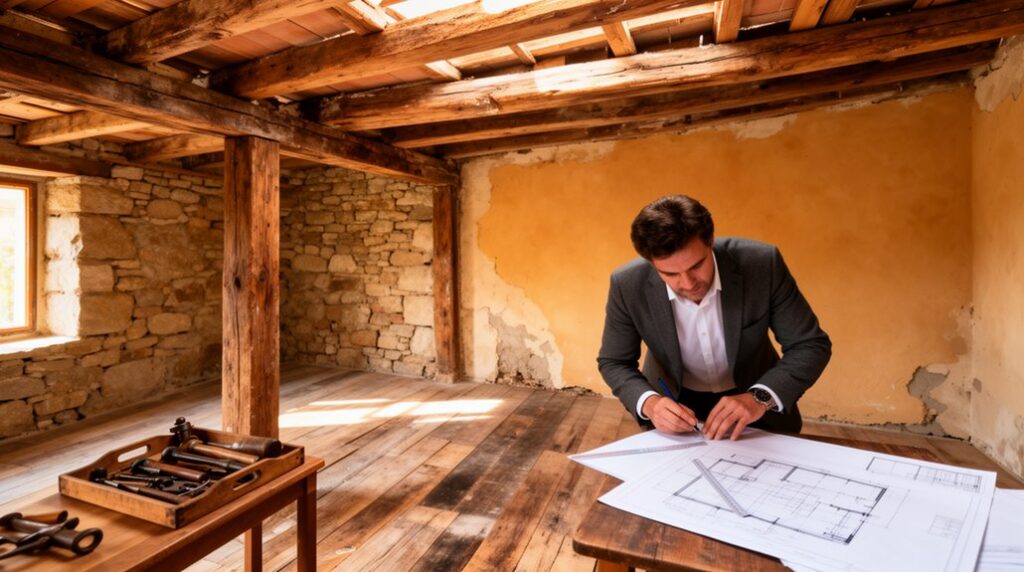

Estate agents look for rustic property reforms that strengthen structural integrity, control moisture, and preserve character, while presenting a clear modernization plan. You should show on-site assessments of foundations, timber quality, and roof systems, plus targeted moisture management and breathable materials that protect historic features. Demonstrate tasteful upgrades—discreet modern systems, authentic materials, and period-appropriate fixtures—without sacrificing charm. Provide detailed budgets, timelines, permits, and compelling documentation to boost value and resale appeal. If you keep going, you’ll uncover how to maximize confidence and return.
Assess Structural Integrity for Rustic Homes
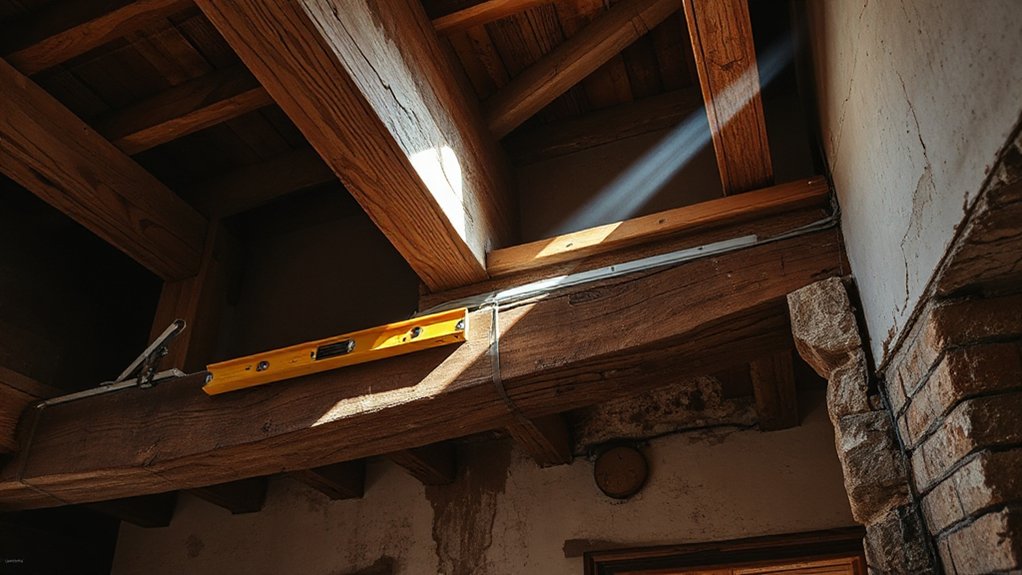
Evaluating the structural integrity of rustic homes starts with a careful, on-site inspection. You assess foundations for settlement, check wall alignment, and verify timber quality, spacing, and connections. Look for cracks that signal movement, signs of moisture, and termite damage that can weaken framing.
Inspect roof structure, rafters, and fasteners for sagging, leaks, or corrosion, and confirm attic ventilation supports drying and prevents rot.
Examine exterior masonry or log integrity, noting decay, gaps, or breached seals that affect load paths.
Assess floor stability, subfloor condition, and any overburdened beams.
Document Historic interior elements that influence stability, ensuring preservation goals align with safety.
Consider Landscape integration, evaluating drainage and grading that sustain foundation health without compromising heritage features.
Your findings guide repairs that protect value and character.
Control Moisture to Protect Character and Value
You’ll reduce moisture risk by applying proven prevention techniques and sealing vulnerable areas.
Damp control supports long-term value, as effective drying and monitoring prevent structural windup and mold concerns.
Keeping interiors dry preserves character and resale value through consistent, measurable outcomes.
Moisture Prevention Techniques
Moisture is the single biggest risk to a property’s character and value, so you should start with a careful assessment and a practical plan. You’ll prioritize preventative measures that protect finishes, timbers, and masonry without compromising traditional charm.
Begin with humidity control strategies: monitor seasonal variations, install discreet sensors, and target consistent indoor relative humidity around 30–50% where feasible.
Use vapor barriers strategically to block moisture migration through walls and floors, ensuring proper detailing at joints and junctions.
Address sources early—roof leaks, plumbing runs, and poor drainage—before they affect historic integrity.
Opt for breathable, code-compliant materials that still align with period aesthetics.
Document steps for buyers, emphasizing maintenance routines and verification checks to sustain long-term value and character.
Structural Windup and Damp
Effective moisture control isn’t just about stopping leaks; it also means managing how wind-driven and interior moisture interact with historic structures.
In this topic, you focus on structural windup and damp, ensuring that form follows function while preserving character. You tighten joints, seal penetrations, and balance ventilation to prevent condensation without drying out timbers.
You prioritize a breathable facade and controlled humidity to protect a rustic interior and the surrounding footprint. You assess how dampness can erode finishes, timber, and stability, then plan interventions that minimize disruption to historic arcs and masonry.
Your goal is steady moisture, stable texture, and durable aesthetics that support landscape enhancement and long‑term value.
- Prioritize breathable, tested materials that match era cues
- Coordinate moisture control with landscape features to reduce damp
- Implement discreet, effective drainage and ventilation strategies
Value Preservation Through Drying
Controlling moisture is essential to preserve character and value, and drying must be deliberate, measurable, and compatible with historic fabric. You manage damp by setting targets for humidity, airflow, and surface dryness, then monitor progress with calibrated tools.
Prioritize slow, even drying to prevent warping or staining, avoiding rapid heat or fluctuating conditions that compromise structure. Document every step to verify compliance with restoration standards and to support resale credibility.
Preserve vintage fixtures by isolating them during treatment and controlling condensation at source, rather than masking symptoms. Protect handcrafted details through careful cleaning, stable textures, and compatible coatings that don’t alter patina.
Thoughtful drying sustains integrity, reduces repair costs, and reinforces perceived value for buyers who seek authentic, well-maintained rustic character.
Tasteful Farmhouse Modernization That Keeps Charm
You balance Rustic Charm Preservation with Modern Comfort Integration to keep the home welcoming and efficient.
Aim for Exterior Aesthetic Harmony that respects provenance while adding practical updates.
You set the tone for timeless appeal by combining restrained modernization with authentic farmhouse character.
Rustic Charm Preservation
When preserving rustic charm, tasteful farmhouse modernization hinges on respecting historical elements while updating only what improves daily use. You balance period features with practical upgrades, ensuring longevity without erasing character. Emphasize authentic materials, like timber beams and lime plaster, and select finishes that age gracefully.
Prioritize function: better insulation, resilient flooring, and discrete wiring that preserves sightlines. Integrate vintage decor to reinforce atmosphere without clutter. Plan landscape restoration that frames the home, not dominates it, using native plants and low-maintenance paths.
- Align renovations with original proportions and textures
- Use period-appropriate hardware and sustainable materials
- Integrate landscape restoration to complement the structure
This approach keeps charm intact while delivering modern reliability for buyers and occupants.
Modern Comfort Integration
Prioritize systems that boost usability without altering visual integrity: efficient heating, quiet cooling, smart controls tucked behind traditional facades.
Retain tactile elements like wide planks and plaster walls, and choose finishes that age gracefully.
When selecting fixtures, favor Vintage fixtures that nod to era details while delivering reliable performance.
Lighting should feel natural and unobtrusive; opt for Farmhouse lighting that complements Provenance without shouting.
Plan layouts to support contemporary routines, such as open kitchens with defined seating corners, mudrooms, and accessible storage.
Document decisions to reassure buyers that modernization aligns with timeless charm.
Exterior Aesthetic Harmony
- Vintage fixtures
- Landscape design
- Cohesive materials and finishes
Renovations Lenders Will Finance (and Why)
Lenders will finance renovations that measurably boost a property’s value and cash flow, but they won’t back projects that fail to demonstrate cost-effective impacts. You’ll win support when your plan proves solid returns, not just aesthetic upgrades.
Financial institutions scrutinize market comparables, cap rates, and after-renovation value, seeking evidence of demand and rent stability. Focus on durable improvements with clear lifetime cost savings rather than speculative luxuries.
Historical authenticity matters, but it must align with appraisal logic and risk profiles, demonstrating how period accuracy translates to market appeal and higher resale potential.
When you propose revived features, tie them to measurable gains in occupancy, energy efficiency, or maintenance reductions. Include vintage fixtures where they complement function and resale value, avoiding overreach that dilutes return.
Plan Budget, Timeline, and Permits Without Losing Soul
Balancing a prudent budget, a realistic timeline, and proper permits keeps rustic-property upgrades grounded in market reality rather than vanity. You’ll map scope to cost, set milestones, and secure approvals before you break ground, ensuring liquidity isn’t drained by surprises.
Interior lighting and landscaping enhancements should align with both safety codes and curb appeal, so upgrades feel cohesive, not impulsive.
Track contingencies, demolitions, and project phasing to avoid overcommitment or idle periods. Seek permit clarity early, and document decisions to keep stakeholders confident.
- Align scope with budget and permit requirements upfront
- Schedule phased milestones that reflect weather and access
- Prioritize interior lighting and landscaping enhancements for lasting value
Showcasing Value: Documentation, Presentation, and Confidence
Showcasing value hinges on clear, compelling documentation and crisp presentation that inspires confidence. You present a complete package: precise plans, detailed permits, and a transparent pricing narrative.
Your documentation should demonstrate Historical significance without relying on sentiment, tying past decisions to present viability. Include tangible evidence of local craftsmanship, from materials sourcing to finish quality, with contractor credentials and field notes.
Your presentation communicates confidence through logical sequencing, annotated drawings, and consistent terminology, avoiding jargon that clouds meaning.
Pair the dossier with a concise executive summary that highlights risk, milestones, and anticipated returns.
In conversations, refer to benchmarks, comparable sales, and energy or sustainability metrics to reinforce credibility.
When you couple credibility with storytelling, stakeholders trust you to deliver authentic, value-driven rustic reform.
Frequently Asked Questions
How Long Does It Take to Restore a Rustic Property’s Character?
Restoring a rustic property’s character takes months to years, depending on scope. You’ll prioritize authentic craftsmanship and vintage preservation, planning expert carpentry, plaster, and wiring updates to preserve charm while meeting modern standards and enduring value.
What Hidden Costs Commonly Derail Rustic Renovations?
Hidden costs derail rustic renovations, you’ll find, because cost overruns bite when you chase authenticity. Historical authenticity and Material sourcing matter, and skewed budgeting undercuts schedules. You investigate truth: expect contingencies, permits, and sourcing delays to bite you.
Which Permits Are Most Often Delayed for Farmhouses?
Building permits are often delayed for farmhouses, especially when Environmental assessments reveal environmental or heritage concerns; you’ll face reviews, revised plans, and possible mitigations before approval, extending timelines and increasing costs in the process.
How Do Lenders Assess Heritage Value in Renovations?
Heritage assessment matters enormously, you’ll see, guiding lenders with precision. You’ll guarantee Renovation valuation reflects authenticity, conservation needs, and modern compliance, so you clearly demonstrate risks, benefits, and adaptability in renovations to secure financing.
What Maintenance Schedule Protects Long-Term Rustic Charm?
A practical maintenance schedule protects long-term rustic charm by prioritizing Historical authenticity and Material preservation: you’ll inspect, repair, and document key features, schedule seasonal care, use reputable materials, and track changes to sustain value and character.
Conclusion
You’ll understand what buyers want: solid structure, dry spaces, and character you can’t fake. Target moisture control, timeless updates, and finishes that honor the era without shouting. Present a clear plan—budget, timeline, permits—and show lenders you’ve got the forked-path confidence they crave. Document everything, showcase progress, and tell a compelling story that proves the value stays intact. In short, treat the rustic retreat like a reliable asset, and avoid muddying the charm you’re selling. It’s a win-win, plain and simple.