
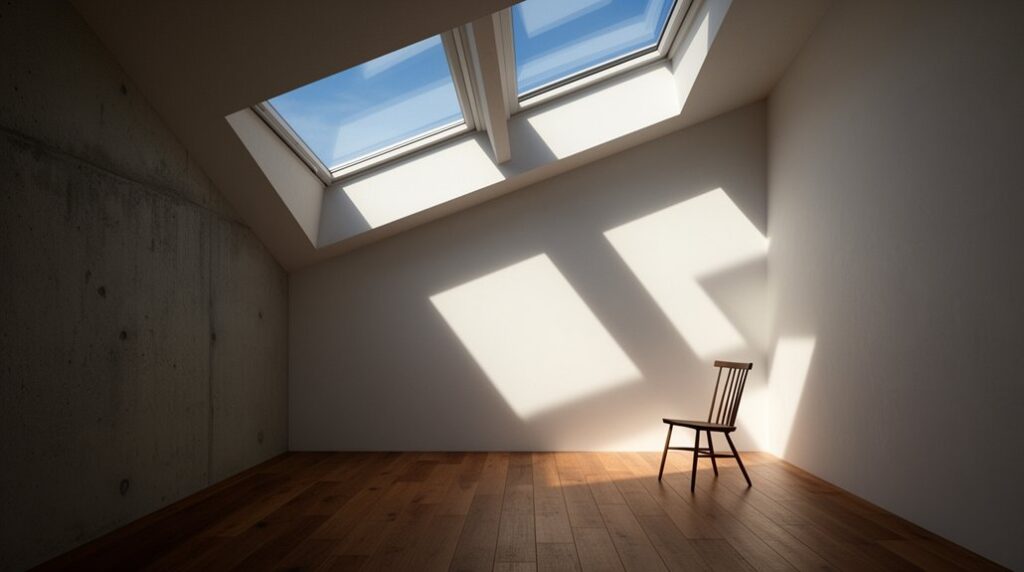

skylight windows flood dark spaces with daylight, brightening color, texture, and mood while making small rooms feel larger. You’ll gain even illumination across walkways and seating areas, reduce glare with smart placement, and control heat with shading and proper glazing. Thoughtful design aligns skylights with rooflines for a cohesive rhythm and enhances outdoor connection. Durable frames, low-maintenance glazing, and optional automation keep performance steady over time. Curious what comes next for your space? There’s more to uncover.
How Skylight Windows Brighten Dark Rooms

Skylight windows flood dark rooms with natural light, transforming even small spaces into bright, welcoming areas. You’ll notice how daylight amplifies color and texture, making surfaces feel closer to nature and more alive.
In historical context, skylights evolved from clerestory designs to modern, energy-smart panes, reflecting shifts in architecture and living habits. You benefit from daylighting strategies that reduce reliance on artificial lighting, lowering monthly energy use when the sun’s at peak.
Environmental impact matters: well-installed skylights minimize heat gain in summer and maximize warmth in winter with proper glazing and overhangs. You gain mood boosts, improved circadian alignment, and safer, more functional rooms.
Choose efficient materials and correct placement to sustain comfort and sustainability long term.
Choosing the Right Skylight Style for Your Space
Choosing the right skylight style starts with your space, light goals, and how you use the room. Start by evaluating ceiling height, room function, and traffic flow, then match a style to your design voice.
For living areas, consider curb appeal and glare control with low-profile or fixed skylights that minimize visual clutter.
In kitchens or baths, look for venting options or mist-resistant coatings to handle humidity and steam.
If you want a greenhouse effect, choose larger panels for brighter days and enable seasonal color with indoor plants thriving in natural light.
Acoustic treatments can help if you’re light-sensitive or in noisy neighborhoods, balancing daylight with sound comfort.
Pick shapes and mechanisms that align with maintenance capacity and your lifestyle.
Where to Place Skylights for Maximum Impact
To maximize impact, start by mapping where natural light concentrates during the day and how you move through the space. Then place skylights to capture that flow, balancing aesthetic harmony with practical lighting needs while considering material durability.
Position skylights over walkways, seating areas, and work zones to ensure even coverage without glare.
- Align openings along primary sightlines to illuminate focal points at eye level.
- Size skylights to match ceiling height and room scale, avoiding pockets of shadow.
- Create a cadence by staggering placements for dynamic light throughout the day.
This approach yields a cohesive look, reduces shadows, and supports a lasting finish. Keep the design tight, purposeful, and easy to maintain.
Daylight Quality: What It Means for Your Room
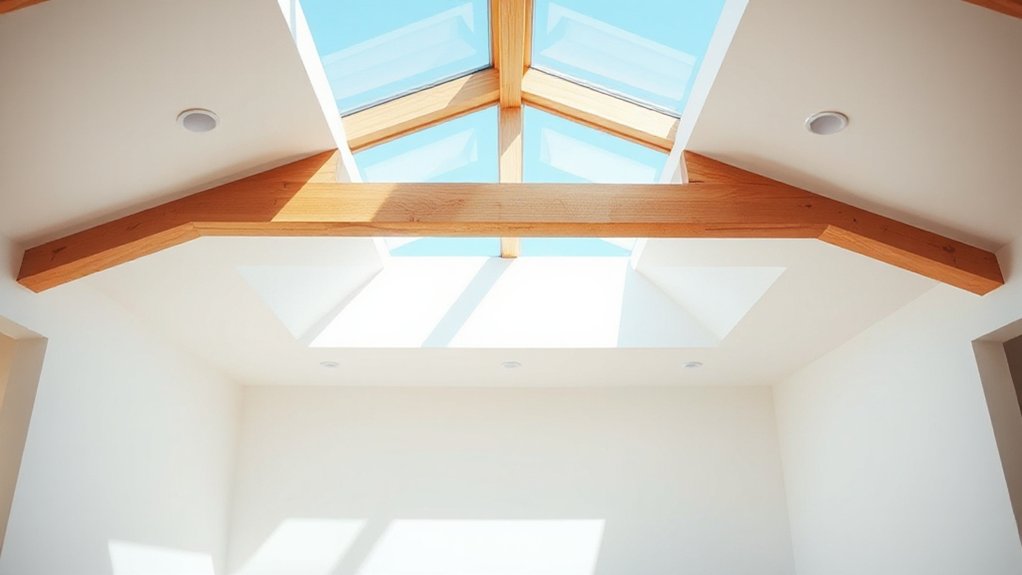
Daylight quality shapes how your room feels and functions, so pay attention to how light behaves at different times of day. You’ll notice brightness, glare, and contrast shift as the sun moves, affecting mood and usability.
Choose skylights and glazing that balance natural light with control, so rooms stay comfortable from morning to evening. Solar technology can optimize performance, delivering efficient tinting and adaptive shading without sacrificing visibility.
Consider the color temperature of incoming light; cooler tones feel energetic mornings, warmer tones relax evenings.
For privacy, select solutions that keep sightlines clear from outside while maintaining openness inside. Integrate blinds or films that respond to movement or time, preserving daylight while reducing heat gain.
These choices support a bright, functional space without compromising comfort or style.
How Skylights Change Perceived Space and Scale
Skylights don’t just brighten a room; they alter how you perceive its size. The illusion happens through color dynamics and lines that pull your eye upward, making ceilings feel higher and walls more expansive. You’ll notice a room seems larger when the daylight runs across surfaces at varying angles, creating depth you can trust.
Material durability matters too; sturdy frames and glazing maintain the perceived scale over time, avoiding warped borders that break the illusion.
- Elevation cues: vertical daylight shifts deepen the sense of height.
- Shadow play: angles create contrast that expands perceived width.
- Surface interaction: finishes and color reflect light to amplify openness.
With this approach, you gain a brighter, more breathable space without sacrificing cohesion or longevity.
Energy Essentials: Glazing, U-Factor, and SHGC
Even when you’re choosing skylights for their look, glazing choices matter just as much as design. Energy efficiency hinges on glazing, U-factor, and SHGC, so you control heat flow and comfort year-round.
A low U-factor minimizes heat transfer, keeping interiors warmer in winter and cooler in summer, without cranking the AC or furnace.
SHGC gauges how much solar heat your glass admits; a lower SHGC reduces unwanted sun heat in hot rooms, a higher SHGC can boost passive warming in cooler spaces.
Pairing tinted or advanced coatings with proper frame insulation boosts performance.
Consider daylight penetration alongside glare control to balance brightness with comfort.
In practical terms, you trade some view clarity for steadier temperatures, and you gain consistent energy savings.
Venting Skylights for Fresh Air Without Heat Loss
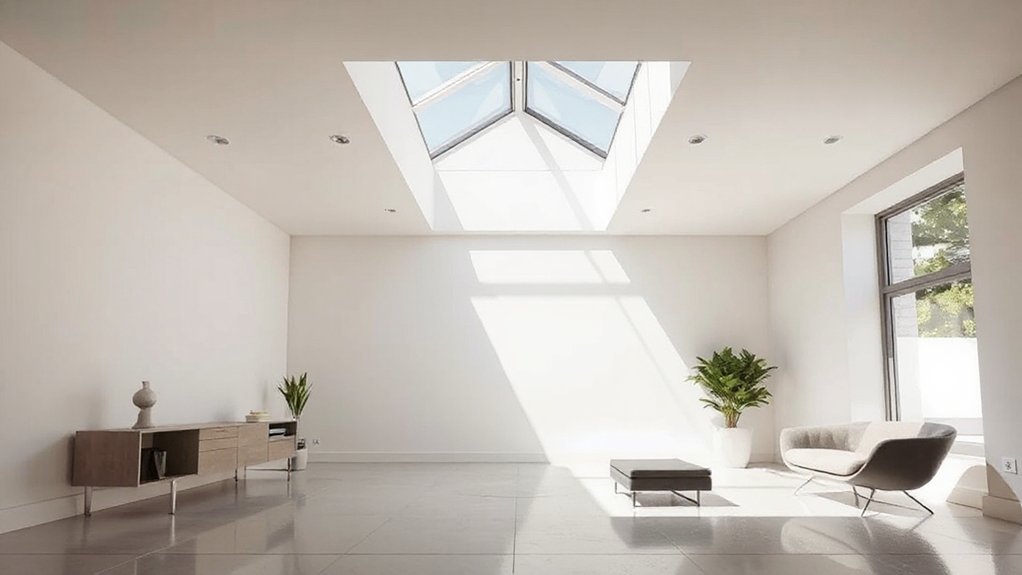
Ever wondered how you get fresh air without letting heated or cooled air escape? Venting skylights offer a smart balance: you draw in outdoor air while minimizing heat loss, especially with modern designs and proper insulation. You maintain comfort, improve ventilation benefits, and guard air quality without sacrificing energy performance.
- Use manually operated or motorized vents for controlled airflow.
- Pair with tight seals and weatherproof flashing to reduce drafts.
- Integrate with a timed or sensor-based system to optimize indoor air.
With these strategies, you enjoy steady air exchange, reduced humidity pockets, and clearer air quality. Your space stays bright and inviting, while you preserve efficiency and comfort year-round.
Diffusion Techniques for Even Daylight
To guarantee uniform daylight, diffusion techniques should evenly scatter light across your space. You’ll optimize daylight uniformity by choosing skylights with internal diffusers, micro-louvers, or frosted surfaces that break direct rays without dulling brightness.
Positioning matters: place diffusers where beams would otherwise create hotspots, and use layered diffusion—combining translucent films with interior louvers for softer, travel-friendly brightness.
Consider materials that preserve color accuracy and resist glare, ensuring consistent tone from dawn to dusk. Treat light as a design element: diffuse at multiple angles, not just horizontal, so your rooms feel balanced rather than blown out.
Regular maintenance keeps diffusion clear of dust and film buildup. With thoughtful diffusion techniques, you maintain daylight uniformity while sustaining a calm, inviting atmosphere.
Color Temperature and Mood: Warm vs Cool Skylight Light
Color temperature sets the mood of skylight, shaping how your rooms feel from dawn to dusk. Warm and cool light each cue different emotions, guiding how you use spaces and finishings throughout the day.
You’ll notice color psychology at work: warm tones soften textures and invite coziness, while cool tones sharpen edges and boost focus. The trick is balancing temperature with activity and decor to optimize lighting contrast without sacrificing comfort.
Consider these choices:
- Align color temperature with room function (warm for living areas, cool for work zones).
- Use dimmers to modulate mood as natural light shifts.
- Pair with complementary finishes to enhance perceived brightness.
With intentional temps, skylights become mood‑making tools rather than mere daylight.
Framing Skylight Views: Align With Outdoor Scenes
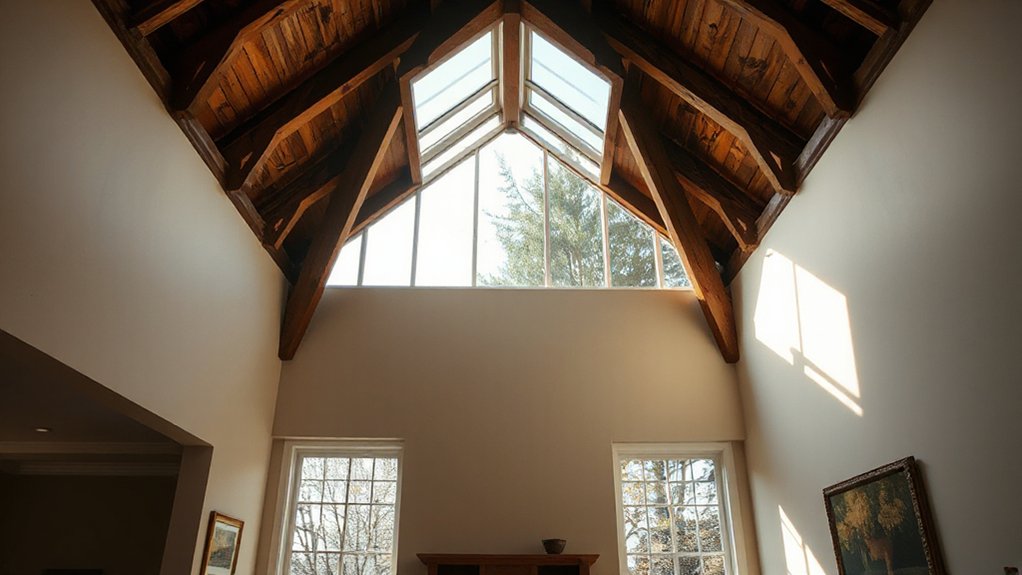
Framing skylight views should mirror the outdoor scene beyond your roof, so select shapes, angles, and sightlines that align with the landscape, sky, or garden you want to frame. You optimize impact by choosing openings that capture horizons, tree lines, or architectural silhouettes without distortion.
Consider proportions that balance interior depth with exterior drama, and avoid busy frames that distract from the scenery. Privacy concerns shape placement decisions: position skylights to keep interiors private from neighboring sightlines while maintaining a strong connection to the outdoors.
Skylight placement also matters for glare control and seasonal views, so test elevations, glazing, and shading. Aim for clean lines, purposeful angles, and a cohesive view that enhances everyday living.
Design Synergy: Integrating Skylights With Your Architecture
You’ll explore how architectural lightflow and daylight-driven design can guide skylight placement to harmonize with your structure.
By aligning skylights with rooflines, horizons, and interior volumes, you create a cohesive rhythm that feels effortless.
This is about using light strategically to shape spaces that look intentional and live beautifully.
Architectural Lightflow Synergy
Architectural lightflow is more than adding skylights; it’s about shaping how daylight travels through your space and integrates with the architecture itself. You’ll sculpt rhythm, proportion, and orientation so daylight enhances structure, not just illumination.
- Align skylight geometry with ceiling lines to preserve historic proportions while embracing modern efficiency.
- Locate glazing to honor historical architecture, revealing cultural significance through framed light patterns and shadow play.
- Use controlled shading and layering to manage glare, color warmth, and seasonal transitions, maintaining a cohesive interior language.
This approach keeps your home lively yet anchored, balancing tradition with contemporary comfort. You’ll experience spaces that feel intentional, timeless, and visually coherent, where daylight becomes a design partner rather than a feature.
Daylight-Driven Spacecrafting (Note: This Title Contains a Metaphor; Consider a Simpler Option Below)
Daylight-driven space crafting redefines how skylights shape your rooms, turning natural light into a core design element rather than a mere feature. You optimize solar orientation to maximize beneficial exposure while minimizing glare, creating a balanced, livable atmosphere throughout the day.
Precision placement matters: align skylights with primary sightlines and activity zones to guide movement, mood, and function. Embrace daylight harvesting by calibrating shading, glazing, and spacing to capture light without overheating interiors or washing out details.
This approach keeps spaces bright and energy-efficient, reducing reliance on artificial sources during peak hours. You’ll notice improved ambiance, better acoustics, and a more cohesive connection to the outdoors.
In practice, treat skylights as active design tools that elevate comfort, sustainability, and daily experience.
Noise, Condensation, and Weatherproofing Skylights
You’ll find that smart noise reduction, condensation control, and weatherproofing are essential to keep skylights comfortable year-round.
We’ll explore practical techniques like sealing, venting, and selecting low-emissivity glass to minimize drafts and moisture.
With the right approach, your skylights stay quiet, clear, and weather-tight, enhancing daily life without compromise.
Noise Reduction Techniques
Noise reduction starts with solid sealing and careful selection of materials, so you minimize air leaks, condensation, and drafts around skylights. You’ll focus on reducing exterior impact and interior flutter by pairing solid joints with resilient materials.
- Sound insulation: choose multi-layer glazing and laminated panes to dampen outdoor noise and create a calmer room.
- Acoustic barriers: install strategic baffles and ventilation stops to interrupt sound paths without sacrificing light.
- Sealing systems: use weatherstripping and gasketed frames to maintain a tight envelope against wind intrusion.
Condensation Control Methods
Condensation control is essential for skylights, because temperature swings and humidity build-up can fog panes and warp frames. You’ll minimize moisture with proper ventilation, glazing that minimizes heat transfer, and smart humidity control.
Start by ensuring rooms with skylights have balanced airflow; exhaust fans near kitchens and bathrooms reduce lingering vapor. Use blinds or thermal curtains to manage radiant heat during peak sun, lowering condensation risk when surfaces cool overnight.
Consider double-glazed or inert-gas-filled skylights to stabilize interior temperatures and support condensation prevention. Maintain seals and flashing to prevent leaks that introduce moisture.
Regularly monitor humidity levels and adjust dehumidification as needed. Together, these steps protect clarity, extend skylight life, and preserve a bright, inviting atmosphere.
Weatherproofing Solutions
Weatherproofing skylights is essential for quiet indoors, stable temperatures, and lasting performance. You’ll understand how, over time, historical context informs better sealants, panes, and frames. Today’s choices emphasize material durability and reliable performance in real homes.
To optimize resilience, focus on three proven steps:
- Choose weather-resistant frames and glazing with low air leakage and high UV stability.
- Seal joints with reinforced, gap-free flashing and high-quality caulk that resists aging.
- Install proper drainage and venting to prevent condensation and wind-driven noise.
Understanding historical context helps you recognize why some materials endure (wood with proper finishing) and others don’t. With durable materials and thoughtful installation, your skylight stays quiet, thermally stable, and visually sharp for years to come.
Smart Skylights: Automated Shading and Remote Control
Smart skylights make living spaces more comfortable and energy efficient by automatically adjusting shading and allowing remote control. When you opt for smart skylights, you gain precise light management without lifting a finger.
Sensors detect sun intensity, room occupancy, and time of day, triggering automated shading that reduces glare and heat buildup. You can fine-tune scenarios via a simple app, or set schedules that fit your routine—morning brightness, afternoon heat, evening ambience.
This is smart automation at work, delivering consistent comfort while saving on cooling costs. Remote control adds convenience: close or open skylights from across the room, while subtle moves keep privacy intact.
Minimal maintenance, maximum impact, and a cleaner, more adaptable interior aesthetic.
DIY vs Pro Installation: Pros, Cons, and Costs

You’ll weigh the pros and cons of DIY versus pro installation, focusing on safety, quality, and long-term results.
A clear cost comparison helps you decide if you’ll save time and labor or invest in professional expertise and warranties.
This discussion sets the stage for practical guidance on when to DIY, when to hire, and what price ranges to expect.
Pros And Cons
When deciding between DIY and professional installation for skylight windows, weigh the trade-offs between cost, time, and confidence. You’ll balance convenience against potential errors, especially around energy efficiency and privacy concerns.
DIY can save money but may compromise sealing, insulation, and warranty. Pro installation offers expertise, code compliance, and quicker results, yet costs more upfront.
1) Energy efficiency benefits are clearer with proper flashing and insulation from pros.
2) Privacy concerns are easier to address with professionally positioned glazing and shading options.
3) Long-term maintenance and warranty coverage tend to favor pro work.
If you value control and learning, DIY is appealing; if you prioritize reliability and resale value, choose a pro.
Either way, plan for precise sealing, appropriate ventilation, and durable materials.
Cost Comparison Guide
A clear cost comparison helps you decide between DIY and pro installation without surprises. You’ll weigh material costs, labor, permits, and timing, then map out a realistic budget.
DIY saves on labor but can hike risk if you lack framing, flashing, and safety know‑how. Pro installation brings expertise, warranties, and quicker completion, yet higher upfront fees.
Consider long‑term value: energy efficiency, daylight quality, and how skylights influence room usage.
Cultural symbolism matters, as skylights often signify openness and refreshment in design narratives, while historical evolution reminds you how glazing technology evolved from basic vents to climate‑controlled daylight.
Use apples‑to‑apples comparisons for products, flashing kits, and insulation.
Balance convenience, aesthetics, and safety, and choose based on your timeline, skills, and desired lifestyle outcome.
Budgeting for Skylights: Costs, Codes, and Value
Budgeting for skylights means balancing upfront costs with long-term value, so you can enjoy brighter spaces without breaking the bank. You’ll weigh installation, framing, and flashing against ongoing energy savings and resale appeal. Consider these factors:
- Historical context: recognize how skylight standards evolved, guiding code-compliant choices that protect you now and during updates.
- Material durability: select glazing and framing with proven performance to minimize maintenance and maximize lifespan.
- Value optimization: compare permitting costs, professional labor, and potential tax incentives to maximize return.
Codes and standards influence upfront planning, insulation, and weatherproofing—don’t overlook them. With clear budgeting, you unlock brighter rooms, lower utility bills, and enhanced home atmosphere, all while preserving your property’s long-term integrity and style.
Maintenance Tips to Preserve Light Quality
To keep skylight-light bright and glare-free, establish a simple, regular maintenance routine that protects glazing, seals, and flashing from the elements. Schedule biannual inspections to check for cracks, condensation, and loose fasteners.
Then clean surfaces with a non-abrasive spray and soft cloth. Remove debris from skylight wells to prevent mold and water pooling, and replace compromised seals promptly to maintain energy efficiency.
Use a ladder with stable footing and always follow manufacturer guidelines for opening and cleaning. Avoid harsh chemicals that could degrade coatings and glazing.
Prioritize skylight aesthetics by choosing gentle, streak-free cleaning methods that preserve clarity. In your interior decor, consistent upkeep sustains natural light, preserves color accuracy, and supports a bright, inviting ambience.
Simple care has a lasting impact on light quality.
Real-World Skylight Transformations: Case Studies
From real-world renovations, you’ll see how strategic skylight tweaks transform dim spaces into vibrant living areas. In these case studies, you’ll notice how light orchestration meets function, rooted in historical context and enriched by cultural symbolism. You’ll observe rooms flexing with daylight rhythms, creating moods that align with lifestyle needs.
1) Light-first layouts: automated shades, placement tuned to wall colors, and seasonal shifts heighten ambience without clutter.
2) Material echoes: timber and stone selections nod to heritage while modern glazing preserves energy.
3) Narrative spaces: skylight angles frame views that tell local stories, elevating daily living into a cultural moment.
Safety: Roof Access and Glass Breakage
Have you considered how skylight access affects roof safety and breakage risk? You’ll want secure mounting and reinforced framing to minimize accidental impacts and weather-induced stress. Choose skylights with certified safety ratings and tamper-resistant hardware, so you can access the roof without compromising structure.
When planning installation, factor in load paths, flashing integrity, and proper sealants to prevent water intrusion that can weaken composite materials over time.
Privacy concerns should guide placement—avoid rooms where occupants expect visual seclusion from neighbors or upstairs passersby. Addressing these issues early saves repair costs and headaches.
Structural reinforcement may be required for old roofs or high-traffic surroundings, ensuring long-term resilience while maintaining sleek, bright interiors. Safety stays central, without compromising style or daylight.
Reducing Heat Gain: Shading and Tint Options
Skylight heat can turn bright rooms into overheated spaces, so shading and tint options deserve upfront attention. You gain control over glare, comfort, and energy use by pairing strategic shading with smart tinting.
Use shading to block high-zenith sun without darkening your decor, and choose tints that cut infrared energy while preserving daylight. Consider privacy concerns and installation challenges early to avoid future headaches.
- Select exterior shading (louvered blinds or panels) to minimize heat before it enters.
- Opt for medium-tone window films that reduce heat without compromising visibility.
- Plan for seamless integration with your roof assembly, ensuring weather sealing and ventilation aren’t compromised.
Keep in mind privacy concerns and installation challenges to maximize performance and satisfaction.
Future-Proofing Skylights: Resilience and Adaptive Design
To future-proof skylights, design for resilience and adaptability from day one. You’ll prioritize durable materials, smart sealing, and modular components that age gracefully with your home.
Consider historical context to choose styles and mechanisms that won’t look dated as trends shift or tech evolves. Opt for frames and glass with proven material durability, resisting weather, UV exposure, and temperature swings.
Plan for upgrades: interchangeable glazing, insulated racking, and accessible hardware keep skylights serviceable without full replacement.
Integrate adaptive shading and ventilation that respond to sun angles and indoor needs, reducing energy load over time.
Build in maintenance access and clear warranty terms to guarantee long-term performance.
Your space remains bright, efficient, and timeless, year after year.
Frequently Asked Questions
How Do Skylights Affect Allergy and Mold Risks?
Skylights can boost ventilation and sunlight, which helps allergy reduction and mold prevention. You’ll dry damp spots quickly and wash away dust buildup, but regularly clean seals to minimize pollen intrusion and monitor humidity to keep air quality high.
Can Skylights Cause Glare Issues in Kitchens?
Skylight installation can cause glare in kitchens, but you can minimize it with options like anti-glare coatings and strategically placed shading. You’ll enjoy brighter spaces while glare reduction preserves task visibility and your culinary comfort.
Do Skylights Require Structural Reinforcement During Retrofits?
Yes, skylights often require structural reinforcement during retrofit considerations. You’ll need careful framing, load assessment, and possibly a rehab of adjacent framing to handle new loads, ensuring safe, efficient installation and lasting performance.
Are There Fire Safety Concerns With Skylight Placement?
Yes, there are fire safety concerns with skylight placement. You should plan, site, and code-check carefully, prioritizing proper egress, extinguisher access, and non-flammable surrounds; rely on fire safety guidelines to avoid risky skylight placement.
How Long Do Skylight Seals Typically Last?
Skylight seals typically last 10 to 15 years with proper care. You should inspect annually, reseal if you notice leaks, and schedule professional seal maintenance as needed. Skylight installation quality greatly influences longevity and moisture control.
Conclusion
Skylights don’t just shed light; they elevate daily life. You’ll notice brighter mornings, calmer rooms, and rooms that feel bigger without adding square footage. One striking stat: properly installed skylights can boost natural light by up to 50% in a space, cutting the need for artificial lighting. Choose the right style, placement, and shading to balance heat and glare. With resilient designs and smart glazing, you’ll enjoy a timeless, energy-smart ambiance that adapts with you.


