


If you’re aiming for a farmhouse kitchen on a budget, you’ll want a plan that balances affordability with durable style. Start with neutral tones, add reclaimed wood accents, and use DIY cabinet updates to stretch every dollar. Layer practical lighting and smart storage, keep a simple yet timeless backsplash, and choose cost-conscious countertops. You’ll see how small choices compound, but there’s more to tune for lasting warmth—and you’ll want to keep going to get the look you want.
Budget-Friendly Farmhouse Color Palettes
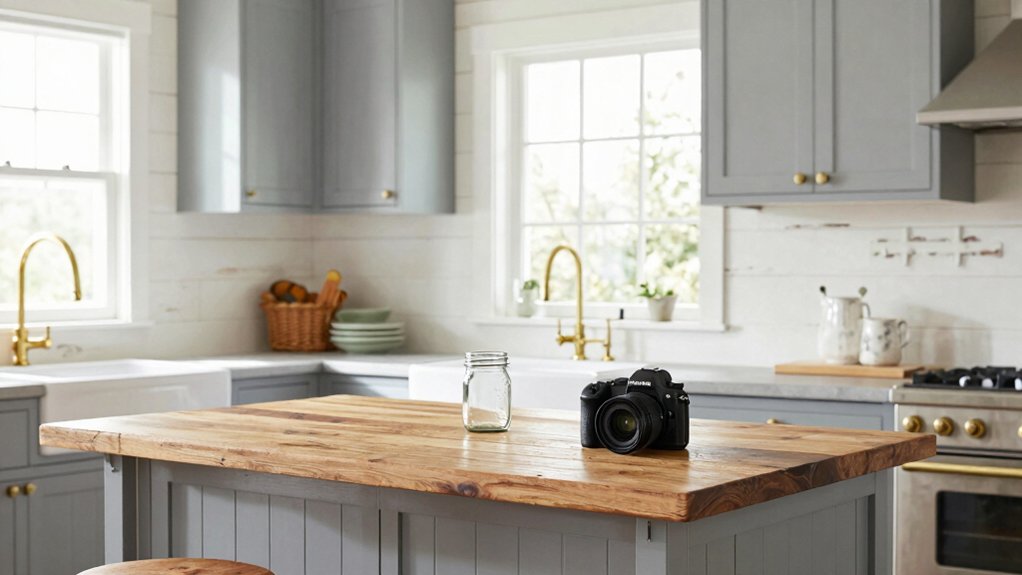
When budgeting your farmhouse kitchen, start with color foundations that feel warm and timeless. You’ll choose a practical palette that stays fresh with minimal maintenance. Begin with neutral bases—soft whites, warm beiges, or antique grays—that read as expansive and clean.
Then layer depth with restrained accents: muted greens, dusty blues, or gentle terracotta tones. This approach yields farmhouse color palettes that survive seasonal updates without overwhelming the space.
Consider an anchoring cabinet color paired with two complementary shades for walls and trim, ensuring contrast stays subtle. Keep finishes matte or eggshell to reduce glare and enhance coziness.
For practicality, limit color changes to 2–3 surfaces per room, preserving flow and budget. Embrace budget-friendly color schemes that maximize impact through tonal harmony and purposeful contrasts.
Reclaimed Wood Accents on a Dime
Reclaimed wood accents on a dime can transform a farmhouse kitchen without blowing your budget. You’ll maximize character by choosing salvage boards for open shelving, a countertop edge, or a lumber-wrapped island base.
Prioritize straight, sturdy pieces with clear grain, then sand and seal to protect against moisture. Use a matte finish to preserve a rustic charm while maintaining practicality.
Mix reclaimed variables with modern simplicity: install floating shelves in a lighter tone to contrast darker cabinet boxes, or mount a reclaimed beam as a header above the range for visual anchor.
Plan joints and fasteners to stay hidden, ensuring clean lines. Reuse scrap planks for small accents like utensil holders, keeping the look cohesive and budget-friendly.
Distressed Finishes That Look High-End
You can lift the farmhouse look from reclaimed accents to refined texture with distressed finishes that read as high-end, not worn. First, choose authentic textures: a soft, matte glaze on cabinetry, lightly sanded edges, and deliberate, controlled distressing rather than overdone weathering.
Use neutral tones—buttery whites, warm taupes, and soft grays—to create depth without sacrificing serenity. Apply distressed finishes to panels, islands, or countertops with a light hand, then seal with a low-sheen topcoat to preserve the texture and durability.
Pair with solid hardware in brushed brass or oil-rubbed bronze to amplify the high end look. Balance busy details with clean surfaces, and limit contrast to keep the space cohesive.
Practical, precise application yields elegant, budget-friendly refinement.
Open Shelving: Styling and Sourcing
Open shelving is a practical, stylish way to showcase your kitchen’s character without clutter. You’ll decide what to display and how high to place items, balancing usability with aesthetics.
Start by sourcing sturdy shelves in neutral finishes that blend with your farmhouse vibe. Prioritize weight-rated brackets and secure mounting to studs for safety. Then plan spacing to accommodate everyday essentials.
When styling, group similar items and vary heights to create visual rhythm, avoiding overcrowding. Include a few modern appliances as accents rather than focal points, so the display remains cohesive and functional.
Consider tile patterns on the wall behind open shelves to add texture without competing with objects. Consistency in materials and finishes guarantees a polished, budget-friendly result.
DIY Cabinet Makeovers for Big Impact
Start with quick cabinet prep to clean and sand lightly, so paint or stain sticks evenly.
Choose paint, stain, or a combo that fits your farmhouse feel, and test color on a hidden area first.
Finish with hardware updates to instantly lift the look without a full redo.
Quick Cabinet Prep
If you want quick, noticeable changes, start with the cabinet prep. You’ll begin by removing doors and hardware, labeling each piece, and cleaning surfaces thoroughly with a degreaser.
Light sanding is enough to scuff glossy finishes; skip heavy stripping unless you’re addressing peeling areas. Wipe down dust, then prime in stages: edges first, then flat surfaces, using a stain-blocking, low-odor product.
Choose a durable cabinet enamel and apply two even coats, allowing proper drying time between coats. Reattach doors with fresh hinges if needed for smooth operation.
Add subtle detail with decorative wall decals and small decorative touches, like coordinated knobs, to hint at the farmhouse vibe without overwhelming. Finish with deliberate kitchen plant arrangements to elevate the look.
Paint or Stain Options
Choosing between paint and stain sets the tone for your farmhouse kitchen and can deliver big results without a full remodel. You’ll decide based on wood type, existing finish, and how much upkeep you’ll tolerate.
Paint hides grain, creates a uniform look, and brightens dim spaces. If your cabinets are already solid and smooth, a quality water-based stain plus topcoat can yield a durable, classic feel. Consider a tinted polyurethane for extra protection.
Stain preserves grain and brings warmth. For a vintage vibe, use creamy whites or soft grays with subtle age; add vintage signs as decor accents.
If you lean rustic, embrace a darker stain and clear sealer. Mix in Farmhouse pottery accents to complete the cohesive palette.
Hardware Transformations
Hardware touches can make or break a budget-friendly farmhouse kitchen, so target hinges, pulls, and knobs first to maximize impact with minimal effort. You’ll see a fresh vibe when you swap worn metal components for matte black, brushed nickel, or antiques-inspired finishes.
Measure cabinet doors and drawer fronts precisely, choosing sizes that fit existing profiles to avoid carpentry chaos. Deep, uniform screws guarantee a clean look and steady performance.
Consider open-pore wood or vintage dishes displayed in glass-front cabinets to reinforce Farmhouse decor without buying new furniture. Use liners to reduce wear and enhance longevity.
For a cost-conscious upgrade, paint or clear-coat existing hardware after sanding; you’ll preserve character while preserving budget. Consistency across knobs and hinges yields a cohesive, durable result.
Vintage dishes complete the scene.
Hardware Updates That Transform
Upgrade your kitchen with small hardware changes that deliver big impact. Start with cabinet hardware hacks that match your farmhouse vibe and tighten details like faucet and pull options for a cohesive look.
Focus on sturdy finishes, proper installation, and a balanced mix of pulls and knobs to elevate function and style.
Cabinet Hardware Hacks
Would a quick hardware refresh transform your cabinets without a full remodel? Yes—start with clear targets, then pick components that fit your budget and style.
Swap old pulls for slim, rounded handles in oil-rubbed bronze or matte black to sharpen the farmhouse look without changing cabinet doors. Install under-counter lighting or a hardware-strip to highlight grain and texture. Use longer pulls on longer runs to create visual continuity, and keep screw spacing consistent to avoid lopsided lines.
Mix in vintage accessories sparingly—one or two framed pieces or a small brass hook set can anchor the design. Tie the kitchen to your garden herbs by choosing earthy tones, and preserve a lived-in vibe with worn finishes. Prioritize durability, cleanability, and cohesive metal tones.
Faucet & Pull Details
Pairing the right faucet with the right pulls can elevate a farmhouse kitchen faster than a full remodel. You’ll want a faucet that matches your sink style and daily use, choosing finish and silhouette to keep cleaning minimal.
Opt for pulls that echo the faucet’s metal tone and fit your cabinet’s line—avoid cluttered hardware that distracts from a clean, cohesive look. Decorative accents, like a brushed nickel or oil-rubbed bronze finish, anchor color coordination across knobs, handles, and the faucet itself.
Keep spacing consistent: proportional pull spacing to cabinet doors, and uniform gap around the faucet for visual balance. Prioritize durability and ease of operation, and test reach and clearance before drilling.
This focused update delivers a polished, budget-friendly upgrade with lasting impact.
Affordable Countertop Alternatives That Mimic Stone
There are budget-friendly countertop options that closely resemble stone without the high cost or heavy maintenance. You’ll find practical, durable choices that fit a farmhouse aesthetic while staying gentle on your budget.
For countertops, look at laminate products with stone-prints, which deliver convincing visuals and easy upkeep without the heft or price of natural stone. Quartz composites offer consistent color and excellent stain resistance, serving as strong stone inspired alternatives when you want low maintenance and long life.
Solid-surface materials provide seamless edges and repairability, staying stylish after daily wear. Consider ceramic tile or porcelain slabs for a traditional look with easy replacement.
When evaluating countertop materials, prioritize durability, ease of cleaning, and installation simplicity to maximize value.
Vintage Finds and Thrifted Pieces
Vintage finds and thrifted pieces can anchor a farmhouse kitchen without breaking the bank. You’ll sharpen the look with carefully chosen items that blend history and practicality.
Start with sturdy, timeless basics: enamelware, wire baskets, and well-loved wooden bowls. Prioritize condition and scale; a single, statement vintage piece can set the tone, while multiple small accents fill gaps without clutter.
When antique shopping, verify era authenticity and assess wear for durability. Mix finishes thoughtfully—matte farmhouse whites pair with aged brass or black accents for contrast.
Thrift store finds deserve a second life through simple refinishing, careful cleaning, and stabilizing repairs. Keep a running list of needs to avoid impulse buys, and curate a cohesive collection rather than an assortment.
Farmhouse Lighting on a Lean Budget
Consider how DIY fixture hacks can transform your lighting without breaking the bank. You’ll explore budget-friendly illumination options that keep a farmhouse feel while staying practical and durable.
Let’s focus on smart, repeatable tweaks you can implement now to create warmth and character.
DIY Fixture Hacks
If you’re furnishing a farmhouse kitchen on a tight budget, start by rethinking lighting fixtures you already own or can source cheaply. DIY fixture hacks let you repurpose components without sacrificing character. Inspect pendants, sconces, and lamps for compatible sockets, then swap shades or add rustic cords to create a cohesive look.
Use reclaimed wood or salvaged metal to craft drum or shade frames, keeping lines simple and sturdy. Embrace adjustable arms for task lighting over prep zones, pairing with dimmers to set the mood. Keep installation straightforward and safe, prioritizing proper wiring and ceiling support.
Focus on kitchen organization by grouping functional pieces within reach. Choose sustainable materials, like bamboo or recycled glass, to reinforce a durable, timeless farmhouse feel without waste.
Budget-Friendly Illumination
Budget-friendly illumination doesn’t have to look cheap; with smart choices, you can achieve warm, farmhouse charm on a lean budget. You’ll prioritize lighting layers: ambient, task, and accent, ensuring even coverage without glare.
Opt for energy-efficient LED fixtures in classic silhouettes—pendants over the island, simple wall sconces, and under-cabinet strips for clear task lighting. Choose dimmers to modulate mood and save energy.
Reuse and refresh: repaint metal fixtures, replace shades, and install plug-in options for flexibility. Favor eco-friendly materials like unfinished wood or ceramic tones that pair with neutral palettes.
When evaluating options, consider kitchen appliance trends that favor integrated lighting and warm color temperatures, which reduce contrast and enhance cohesion.
Plan wiring, switch placement, and plug accessibility to avoid costly retrofits.
Maximizing Storage With Clever Layouts
When you design a farmhouse kitchen on a budget, clever layouts can maximize storage without adding price tags. You organize by zones, placing frequently used items within arm’s reach and tucked away spaces for infrequently used gear.
Build tall, shallow cabinets above base units to maintain scale while increasing capacity; use drawer dividers and pull-out trays to automate access. Install a pegboard wall for tools, measuring cups, or small gadgets, keeping countertops clear.
Opt for a freestanding island with built-in shelves or drawers to double as prep and storage. Consider open shelving sparingly, prioritizing sturdy units that blend with your style.
Garden decor and outdoor furniture influence color and texture choices, guiding finishes that sustain the look during seasonal changes.
Open-Concept Layouts for Cozy Gatherings
Open-concept layouts create a warm, unbroken flow that encourages easy conversations and quick kitchen-to-dining shifts. You’ll maximize gathering space without sacrificing efficiency, so you can host without clutter.
Start with a clear focal point: a substantial island or peninsula that anchors prep, dining, and conversation. Use an uninterrupted line of sight to keep interactions natural, and place seating to invite casual chat during meals or prep.
Choose durable, easy-clean surfaces and strategic lighting to define zones without walls. Store essentials close to work zones to reduce trips, and maintain open sightlines to prevent congestion.
Integrate subtle textures or vintage finishes to evoke farmhouse chic. For inspiration, you can imagine medieval recipes shared over casual tastings, or brief space exploration conversations during evening prep.
Warm Textiles and Cushions for Comfort
Layer the footprint of your farmhouse kitchen with warm textiles and cushions to soften the hard surfaces and invite lingering. Start with a cohesive textile layering approach: a durable, medium-weight rug under the table, a linen or cotton apron fringe on seating, and minimal slipcovers that are easy to wash.
Choose cushions with a proven fill—down alternatives or foam-backed options—for steady support without sagging. Prioritize natural fibers in earthy tones to reinforce the rustic vibe and limit glare.
Use cushion selection to balance hard edges: pair sculpted cushions with simpler, solid-back options to prevent visual clutter. Keep patterns restrained and proportional to chair scale.
Align textiles with airflow and light, swapping heavier fabrics for seasons at hand. Maintain durability, washability, and timeless appeal.
Practical Backsplash Ideas Under $200
Practical backsplash ideas under $200 deliver both function and farmhouse charm without breaking the bank. You can prioritize durability and ease of cleaning without overspending. Start with a washable, mid-tone subway tile for a classic look that’s simple to install and maintain.
Peel-and-stick backsplashes offer budget flexibility and quick upgrades, especially in high-traffic zones. Consider faux brick panels or beadboard panels for texture that reads authentic, yet stays affordable.
For color, choose warm neutrals that complement natural wood tones and metal accents. Integrate kitchen herb gardens near the sink or window to keep fresh herbs handy while reducing clutter.
Include organized spice rack organization near the prep zone to streamline workflows and keep countertops clear.
Maintenance and Longevity Tips for Budget Kitchens
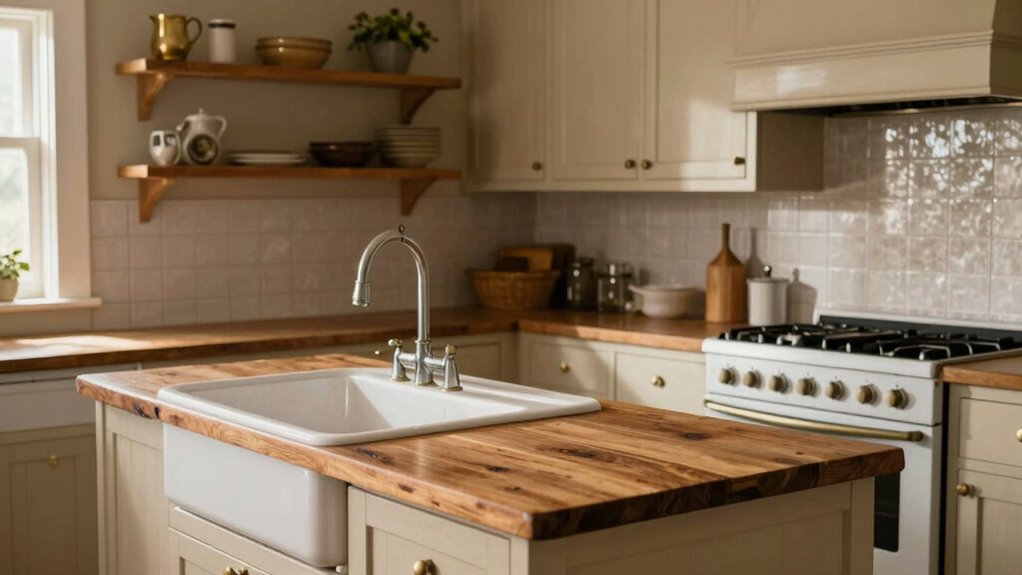
Maintaining a budget-friendly kitchen means planning for durability from the start and sticking to kind-to-your-wallet habits as you use the space. You’ll extend longevity by choosing solid, repairable materials and following a routine that minimizes wear.
Practice proactive appliance maintenance: clean coils, replace seals, and schedule regular inspections to prevent costly failures. Use liners, mats, and removable hardware to reduce surface damage and simplify upkeep.
Seal gaps around countertops and fixtures to deter moisture intrusion, which can warp or rot cabinetry. For pest prevention, seal entry points, store food in airtight containers, and wipe spills promptly to avoid attracting insects.
Address leaks immediately and monitor humidity to deter mold. Keep a simple maintenance calendar and batch tasks to stay consistent and economical.
Frequently Asked Questions
How Can I Budget for a Full Farmhouse Kitchen Remodel?
Yes, you should create a detailed budget plan first. Track costs with a spreadsheet, set a realistic total, and allocate for essentials, contingencies, and labor. Use budget planning, cost saving tips, and prioritize must-haves over upgrades.
What Are the Best Sources for Affordable Farmhouse Accessories?
You’ll find affordable farmhouse accessories at thrift shops and online marketplaces; search for Rustic lighting and Vintage textiles to maximize charm without overspending, and compare prices before buying to guarantee you get durable, timeless pieces that pair well.
Can Small Changes Create a Farmhouse Look Quickly?
Yes. You can transform quickly by adding rustic lighting and vintage textiles, focusing on natural textures, clean lines, and cohesive colors. You’ll notice warmth and character fast, with practical tweaks that feel authentic and deliberately crafted in minutes.
Which Budget-Friendly Materials Imitate Stone or Granite?
Quartz countertops and laminate surfaces credibly imitate stone or granite on a budget. You’ll notice visual texture and durable edges, and you’ll save time and money through smart choices, coincidences aligning with your kitchen’s practical, precise design goals.
How Do I Maintain a Budget-Friendly Farmhouse Kitchen Long-Term?
You maintain a budget-friendly farmhouse kitchen long-term by prioritizing durable basics, tracking costs, and using smart upgrades. Incorporate decorating tips, practice mindful lifestyle habits, and routinely refresh with seasonal accents to preserve value and efficiency.
Conclusion
You’ll find that a budget farmhouse kitchen is a quiet compass, pointing home with simple truths. As cabinets glow with DIY paint, and salvaged boards form honest shelves, each detail becomes a steadfast symbol: resilience, warmth, regeneration. Let warm whites, beiges, and practical textures stand in for grandeur, a modest lighthouse guiding daily routines. When maintenance becomes ritual and storage feels generous, the budget proves its own form of abundance—comfort born from careful choices, not costly splurges.


