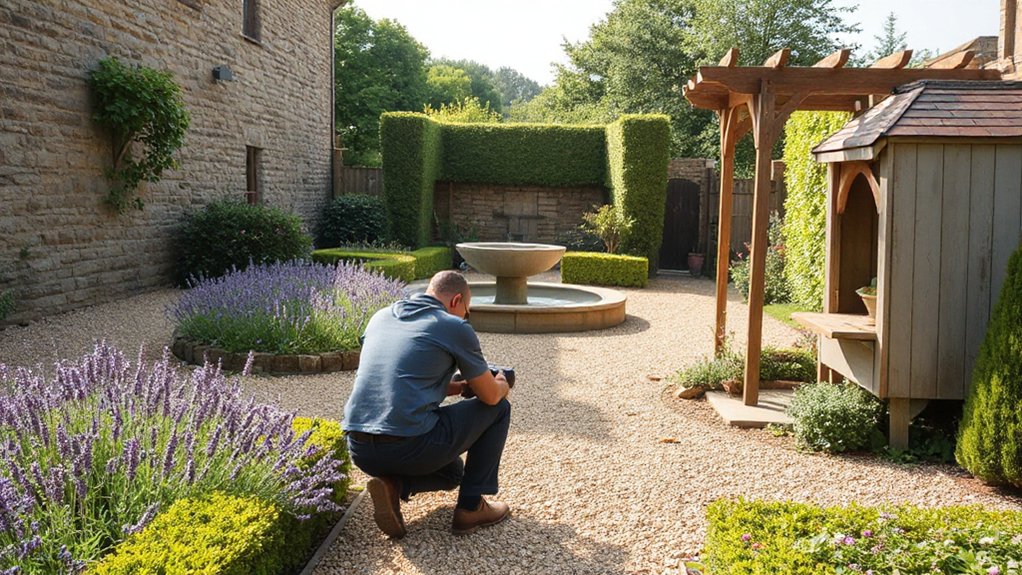

Did you know Yorkshire averages about 150 rainy days per year, which shapes how you design outdoor spaces? You’ll want stone-washed, cottage-style layouts that weather well and feel timeless, paired with climate-smart planting and drought-tolerant natives. Plan wind-safe evergreen screening, efficient irrigation, and secluded courtyards that invite year-round use. Get ready to balance rustic charm with durability as you tailor zones for seasonal shifts—but first, consider how each element will perform in your own microclimate.
Key Takeaways
- Emphasize climate-resilient, native, drought-tolerant planting with wind and frost tolerance for Yorkshire’s variable weather.
- Use durable local materials (stone, lime, regional timber) and cottage-style layouts for timeless character and low maintenance.
- Create clear zones with strong bones, layered evergreens, and seasonal color bursts to maintain year-round interest.
- Incorporate low-maintenance irrigation, smart systems, mulching, and soil health practices to conserve water.
- Build wildlife-friendly gardens with native borders, shelter, water features, and three levels of planting for pollinators and wildlife.
What Works in Yorkshire Gardens Today
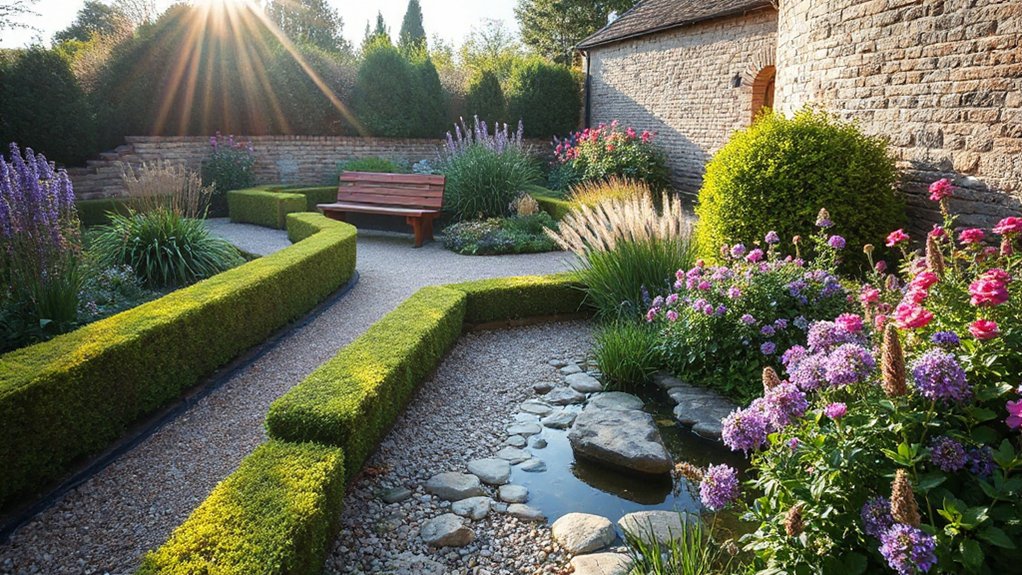
In Yorkshire today, successful gardens combine robust structure with seasonal versatility. You design with clear zones: strong bones, adaptable plantings, and focal points that shift with the year.
You prioritize durable materials, weather resilience, and low maintenance routines that suit variable rainfall and wind.
Garden art anchors the composition, providing texture and scale without crowding viewlines, while water features introduce movement and reflective focal points that endure drought swings.
You select evergreen backbone specimens for year-round silhouette, then layer seasonal color in manageable sweeps.
You plan irrigation efficiency, mulching depth, and soil health to sustain growth through rapid springs and cooler autumns.
You document microclimates, position sun traps, and consider drainage.
Precision in layout yields cohesive, practical Yorkshirescape gardens.
Yorkshire Garden Design Criteria: What to Prioritize
To start, prioritize climate-friendly planting choices and groupings that reduce water use and support local wildlife.
Choose locally sourced materials to minimize transport, boost durability, and harmonize with Yorkshire aesthetics.
Consider how both climate resilience and regional character shape plant selection and material palettes for a cohesive, long-lasting design.
Climate-Friendly Planting
A climate-friendly planting plan prioritizes both resilience and water efficiency, selecting species that thrive in Yorkshire’s wet winters and drier summers while requiring minimal maintenance. You’ll choose drought-tolerant, perennial natives where possible, pairing them with adaptable grasses and pollinator-friendly species to reduce irrigation needs.
Prioritize soil health with organic mulches and slow-release nutrients, which improve moisture retention and curb runoff. You should assess microclimates across your site, placing water-loving plants in sheltered, shaded spots and sun-loving varieties where they’ll thrive with minimal intervention.
The goal is long-term stability, not quick color. Emphasize Pollution reduction by avoiding highly fertilized, non-native ornamentals. Native plant selection should guide your palette, since locally adapted species support local ecology and reduce maintenance requirements over time.
Local Materials Use
Which local materials best support durability, aesthetics, and low embodied energy across Yorkshire’s climate? You’ll prioritize materials that age gracefully and require minimal maintenance, aligning with regional builders’ expectations and available labor.
Use locally quarried stone for foundations and walls where appropriate, pairing with lime mortars to breathe and regulate moisture.
Timber from regional forests delivers warmth and character, while sourced through traditional craftsmanship for joints, joinery, and weatherproofing details.
Bricks should come from nearby brickyards, selected for texture and thermal mass, with a breathable bricklaying approach to avoid condensation.
Reuse and careful repurposing of salvaged elements preserve character and reduce embodied energy.
Emphasize local craftsmanship in detailing, ensuring every element remains compatible with Yorkshire’s seasonal humidity and freeze–thaw cycles.
Stone-Washed Cottage-Style Layouts for Character
Stone-washed cottage-style layouts bring a rustic yet refined character to Yorkshire homes, balancing rugged exterior textures with intimate, sunlit interiors. You’ll design with low, asymmetrical roofs, limewashed walls, and exposed timber that read as timeless rather than trend-driven.
Prioritize a compact, coherent floor plan: a central hearth, snug seating, and generous windows that frame garden views. Materials should echo local traditions—soft stone, chalky plaster, and brushed brick—creating tactile contrast without heaviness.
Integrate built-in storage to maintain clean sightlines and reduce clutter. Emphasize rustic charm through muted palettes, slipcovered textiles, and antique accents, while preserving historical influences in proportion and detailing.
Plan landscape progressions that extend the cottage aesthetic, using winding paths, scented borders, and secluded courtyards for year-round character.
Modern, Climate-Resilient Gardens for Busy Homes
You’ll start with low-maintenance native plants that thrive in Yorkshire’s climate, reducing upkeep while supporting local ecosystems.
Design your space around drought-resilient green areas, selecting species and irrigation strategies that preserve moisture during dry spells.
This approach keeps your garden vibrant year-round, even with a busy schedule and changing weather.
Low-Maintenance Native Plants
For busy homeowners in Yorkshire, native, low-maintenance plants offer a reliable foundation for climate-resilient gardens that stay vibrant with minimal effort. You’ll prioritize species adapted to local soils and seasonal shifts, reducing supplemental inputs.
Choose native shrubs, grasses, and perennials that tolerate shade, wind, and periodic wetness, then layer them for year-round interest. Native planting supports pollinators and soil health while requiring less pruning and feeding than exotic alternatives.
Plan with consistent spacing to minimize weed growth and simplify maintenance cycles. Group plants by light exposure and moisture needs to streamline irrigation and mulching.
Favor drought-tolerant natives in sunny beds, and balance with moisture-loving varieties in damp zones. This approach reinforces low maintenance landscapes while preserving regional character and ecological function.
Drought-Resilient Green Spaces
Begin with drought tolerant plant selection that thrives in hot summers and cool, wet springs, reducing maintenance while maintaining structure. Install permeable, drought-tolerant groundcovers and mulched beds to minimize evaporation and weed growth. Choose compact, deep-rooted species to maximize moisture access and longevity.
Implement smart irrigation with soil-moisture sensors and drip lines, zoning by sun exposure to prevent overwatering. Add hardscape elements—gravel, stepping stones, and robust edging—to channel runoff and cool microclimates.
Maintain resilience with periodic pruning and debris removal, keeping pathways clear and plant health optimized for Yorkshire’s climate.
Wildlife-Friendly Gardens With Year-Round Interest
Wildlife-friendly gardens that offer year-round interest combine native planting, shelter, and food sources to sustain local species through every season. You design for continuous habitat value, prioritizing native pollinators and seasonal blooms to maximize resilience and appeal.
You select diverse nectar sources, sheltering structures, and water features that remain inviting year-round, even in Yorkshire’s swings between mild winters and cool summers. You balance flowering times, foliage texture, and soil health to support birds, insects, and small mammals while maintaining accessibility and curb appeal.
You monitor, adjust, and expand plant diversity to preserve ecological function without compromising aesthetics or upkeep.
- Native pollinators attractors: plant clusters that bloom across spring, summer, and autumn
- Structural shelter: three levels of planting for nesting, roosting, and cover
- Water features: shallow, safe, year-round opportunities
- Soil health: mulching, compost, and minimal disturbance
- Seasonal blooms: continuous color and nectar availability
Evaluate and Adapt Your Space for Yorkshire Weather
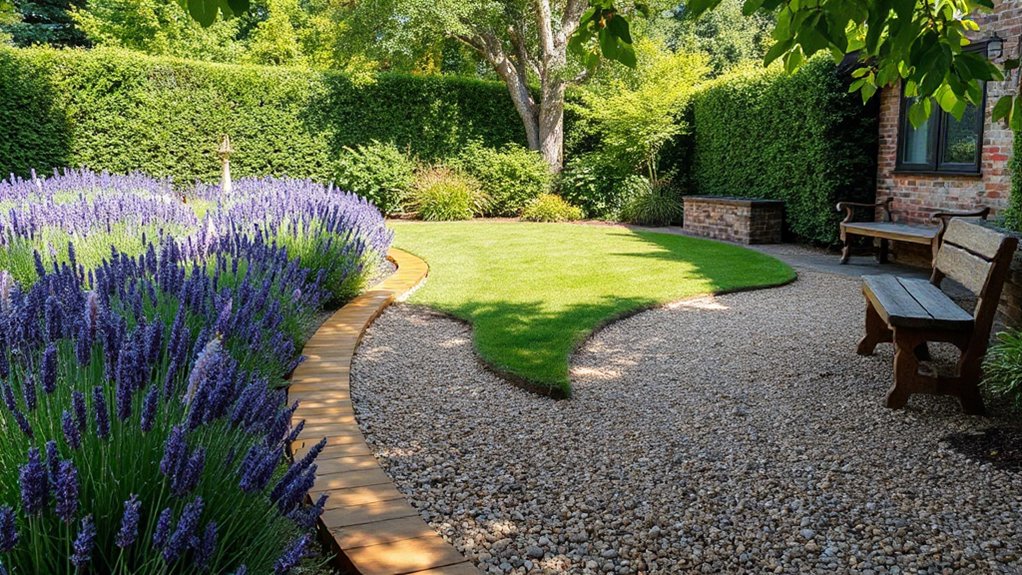
Yorkshire weather can pose a mix of wet winters, cool summers, and sudden gusts, so start by evaluating your site’s microclimates and wind exposure. You’ll map sun paths, shade pockets, and drainage patterns, then select materials and plantings that tolerate local extremes.
Prioritize wind protection through strategic, low-perimeter fencing, evergreen hedges, and solid trellises to shield seating areas and beds.
For seasonal planting, choose hardy perennials and seasonally robust annuals that endure rapid temperature shifts without excessive care.
Group plants by microclimate compatibility, placing moisture-sensitive species toward sheltered zones and drought-tolerant varieties where drainage is best.
Install windbreaks on prevailing wind directions and consider raised beds to improve soil warmth.
Implement mulching and soil amendments to stabilize moisture, reducing stress during unsettled periods.
Regularly reassess after storms and adjust placements accordingly.
Frequently Asked Questions
How Do I Choose Plants for a Shaded Yorkshire Corner?
To choose plants for a shaded Yorkshire corner, start with shaded area plants that tolerate low light and cool summers.
Assess soil, moisture, and sun spots, then pick evergreen understorey species for year-round structure.
Favor native Yorkshire options and reliable cultivars, like ferns, hostas, and ajuga, plus woodland natives.
Use Yorkshire garden shade companions to boost resilience.
Group plants in threes, mulch well, and stagger bloom times for continuous interest.
Water consistently until established.
What Are Budget-Friendly Yorkshire Garden Renovation Ideas?
You can revamp on a budget by prioritizing simple upgrades. Start with durable garden furniture, choosing modular pieces you can rearrange as needed, and paint or refinish to refresh the look.
Add a small water feature—a fountain or tabletop pond—to create ambient sounds without high costs.
Reuse mates or pallets for borders, mulch heavily to reduce weed work, and install solar lighting to extend evenings, boosting value and enjoyment with minimal expense.
Which Soil Amendments Work Best in Yorkshire Clay?
You’ll want to prioritize soil improvement for Yorkshire clay because its density limits drainage and root growth. Use amendment options like well-rotted compost, farmyard manure, and coarse grit to boost structure.
Consider gypsum to improve chemistry where pH is high. Add leaf mold for moisture retention, and incorporate sand cautiously to avoid compaction.
Mulch to conserve moisture, and recheck after six weeks. Regularly monitor drainage, and document which amendment options yield lasting results.
How Can I Reduce Maintenance Without Sacrificing Aesthetics?
Sure, you can cut maintenance with deliberate picks: embrace low maintenance plants and automated irrigation. You’ll pretend it’s effortless, yet you’ll monitor schedules, tweak soil moisture, and layer mulch for resilience.
Irony aside, you stay precise: select drought-tolerant perennials, compact grasses, and weather-resistant shrubs.
Install drip lines, smart controllers, and rain sensors; they reduce toil while preserving aesthetics. You’ll enjoy constant greenery, fewer outages, and predictable visuals—without surrendering style.
What Are Seasonal Planting Timelines for Yorkshire Gardens?
Seasonal planting timelines for Yorkshire gardens depend on frost risk and local rainfall, so you should plan in four phases.
In spring, begin with hardy perennials and flower bed additions after last frost, around late April.
For summer, plant heat-tolerant selections and mulch to conserve moisture.
In autumn, prioritize bulb plantings and late bloomers.
In winter, protect delicate specimens indoors or with cloches.
Your plant selection should match light, soil, and moisture.
Conclusion
In Yorkshire gardens, you’ll blend cottage charm with climate resilience, using stone layouts, limewashed walls, and timber accents. Prioritize native, drought-tolerant plants, evergreen screening, and efficient irrigation to reduce maintenance. Create winding paths, secluded courtyards, and wildlife-friendly spaces for year-round interest. Adapt your space to seasonal swings, and test resilience with thoughtful zoning and durable materials. Remember: slow and steady wins the race—plan, implement, and refine to weather whatever the year throws at you.