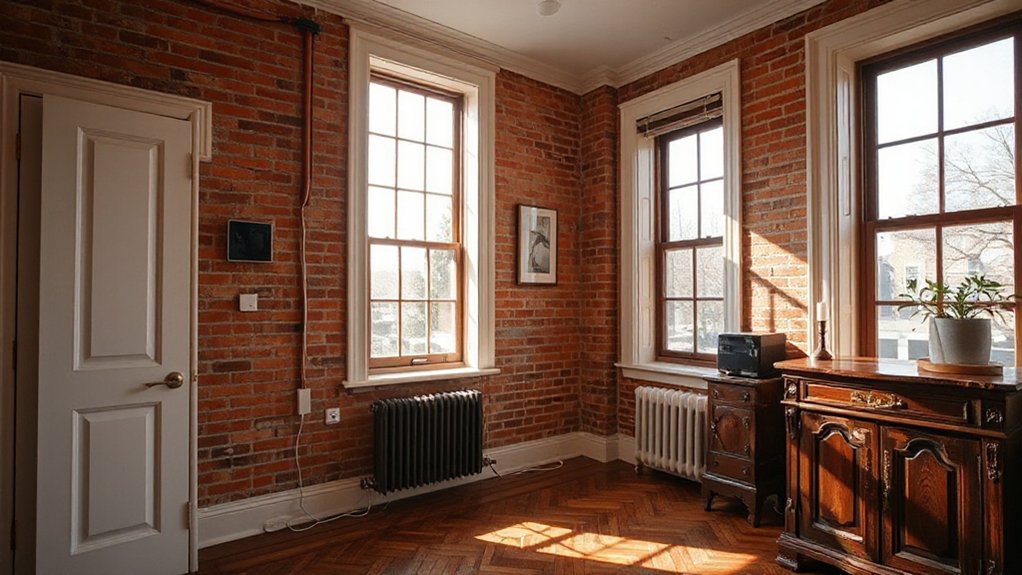

Did you know 40% of a home’s energy use can come from lighting and climate control? In a period house, you’ll want a plan that’s precise, reversible, and discreet. Start with a thorough electrical audit, then choose slim, vintage‑style switches and wireless sensors. You’ll balance modern comfort with original details, and you’ll need a steady hand to keep every upgrade unobtrusive. The next steps will show you how to preserve charm while adding smart functionality.
Key Takeaways
- Conduct a period-appropriate electrical audit to map circuits, capacity, and safety before any smart installations.
- Choose discreet, reversible smart devices and modular wiring that blend with vintage aesthetics.
- Use retro-inspired lighting and climate control, prioritizing warm tones and passive design where possible.
- Implement wireless, removable sensors and locks with encrypted connections for minimal intrusion.
- Plan device placement and finishes to preserve architectural details while enabling scalable, future upgrades.
Start With a Period-Home Electrical Audit (Checklist Included)
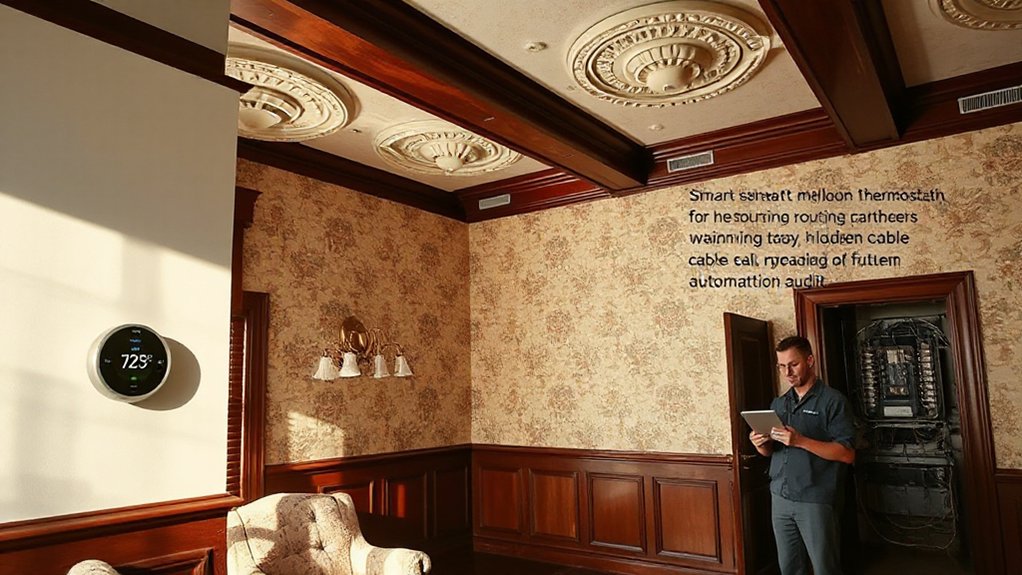
Start with a period-home electrical audit to guarantee your upgrades won’t overwhelm the wiring. You’ll map existing circuits, gauge panel capacity, and identify vintage-labeled breakers that need care.
Inspect outlets, switches, and key junctions for fraying or heat, because hidden faults threaten both safety and future tech.
Create a prioritized checklist: essential upgrades first, then smart hubs, then light/thermostat integrations, all while preserving the original wiring ethos.
Historical preservation guides your approach, so document wiring routes and avoid invasive runs through decorative moldings.
Aim for aesthetic integration—concealed cabling, retrofits that respect period aesthetics, and discreet power access points.
This audit informs load calculations, prevents nuisance trips, and grounds decisions in practicality rather than impulse.
Finish with clear, scalable plans that honor the house’s character.
Design Discreet, Reversible Tech for Historic Spaces
When it comes to historic spaces, smart tech should blend in, not shout; design for discreet, reversible installations that respect architectural cadence. You upgrade without altering proportions or plasterwork, choosing modular components that tuck behind baseboards, coves, or behind the face of existing hardware.
Prioritize devices with slim profiles, neutral finishes, and magnetic mounts that detach cleanly. Plan wiring routes with reversible chases and traditional conduits, avoiding visible cable runs.
Document choices for future owners to preserve historical accuracy, and select hardware that mirrors period details—rounded corners, brass tones, and matte textures—to maintain vintage aesthetics.
Test reversibility early: ensure deactivation leaves no trace, and that restoration can revert to original states without damage.
Your approach blends modern need with timeless restraint.
Plan Traditional-Style Lighting With Modern Controls
To plan traditional-style lighting with modern controls, map each room’s architectural rhythms first, then select discreet, reversible devices that echo period details. You’ll want retro-inspired fixtures, but with modern interfaces that stay invisible when not in use.
Choose dimmers and smart switches that fit in stock plates, preserving sightlines and moldings. Position lighting to accent crown moldings, alcoves, and architectural quirks, not to flood spaces.
Favor warm color temps and smooth progressions that read as vintage, not clinical. Prioritize compatibility, battery-free remotes, and app simplicity to keep control intuitive.
- Focus on vintage accents that blend with period finishes
- Use modern interfaces that disappear into the decor
- Select reversible hardware for easy future swaps
- Plan for scalable, layered lighting across zones
Create Climate Comfort Without Compromising Architecture
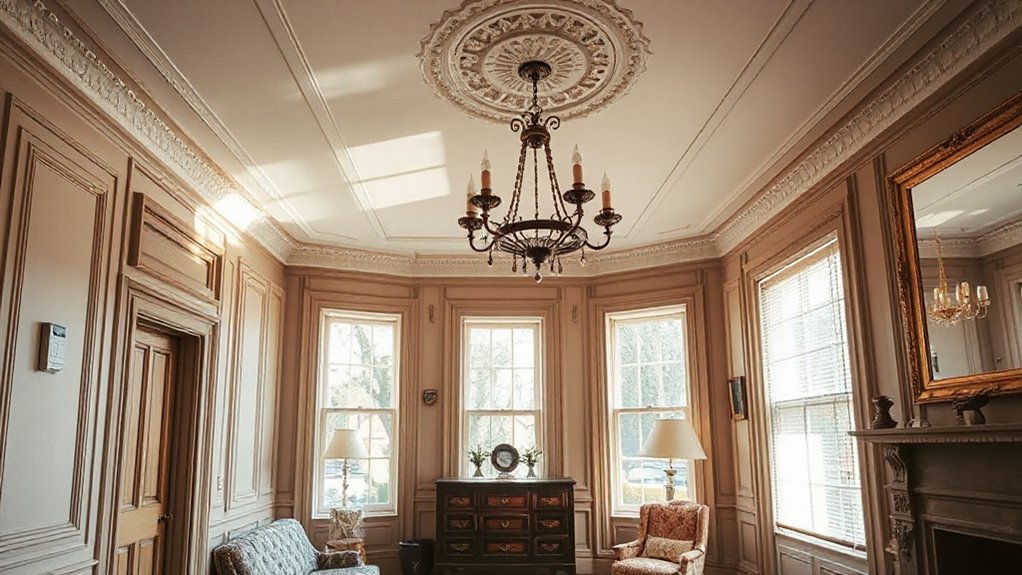
You can achieve climate comfort with a restrained footprint by leveraging Passive Climate Control techniques that synchronize with your period home’s mass and drafts.
Pair this with Aesthetic Thermal Integration to hide mechanisms inside original architecture, preserving lines and materials while stabilizing temps.
Smart Zoning Solutions let you tailor comfort room by room, so efficiency and style stay in balance.
Passive Climate Control
- retrofit ventilation enhances fresh air without mechanical shouts
- solar shading reduces heat gain while preserving exterior lines
- mass and material choices stabilize interior temperatures
- operable openings synchronize with seasons for natural comfort
Focus on airflow paths, airtight junctions, and careful detailing around windows and skylights. Use shading devices that respect proportions and curb glare, not just walls of glass. Prioritize breathable linings, damp-proofing where needed, and roofing that sheds rain efficiently. Test layouts in different sun angles, refine with lightweight screens, and document outcomes for future tweaks.
Passive climate control thrives on restraint, precision, and respect for the building’s rhythm.
Aesthetic Thermal Integration
Begin with discreet insulation that respects period aesthetics, using breathable, sympathetic materials that sit flush with walls, floors, and ceilings.
Prioritize thermal insulation in key envelopes—windows, roof, and masonry—without compromising plasterlines or cornices.
Choose high-performance glazing that minimizes heat loss while preserving sash profiles and daylight.
Integrate passive gains from shading and orientation, then couple them with intelligent controls that feel invisible.
Document detailing, material choices, and progressions so upgrades read as part of the house, not an add-on.
You’ll maintain atmosphere and energy, honoring provenance while improving comfort.
Smart Zoning Solutions
Smart zoning lets you tailor comfort room by room without altering the house’s character. You can allocate heating and cooling where you need it, preserving original layouts and visual flow.
Precision control minimizes energy waste while keeping spaces inviting. Use discreet sensors to sense occupancy and adjust quietly, so you feel consistent warmth or coolness without overdoing it.
Pair zoning with lighting automation for ambience that matches activity, enhancing both mood and efficiency. Voice control adds convenience, letting you fine‑tune temperature from the moment you enter a room.
The goal is balance: comfort, sustainability, and era‑appropriate aesthetics. Plan around natural ventilation and shading to reduce mechanical load.
Implement smart zoning thoughtfully, aligning tech with history rather than overshadowing it.
- zoning as a backbone for comfort
- discreet integration that respects architecture
- energy efficiency without visible hardware
- seamless, intuitive control across spaces
Implement Low-Impact Smart Security You Can Revert
If you value security without committing to a full upgrade, start with low-impact smart options that you can revert without leaving marks on the house. Choose wireless cameras and door sensors that mount with removable adhesive or brackets, avoiding drilling where possible.
Prioritize smart security devices that don’t require permanent wiring, so you can relocate or remove them later. Use plug‑in hubs and battery-powered, tamper‑resistant models to monitor entry points discreetly.
Opt for secure, encrypted connections and set schedules that minimize constant alerts while preserving privacy. Reversible technology lets you test effectiveness before wider adoption.
Document placements and keep spare parts in a labeled kit. This measured approach blends control with care, preserving character while ensuring practical, modern protection.
Leave room to reassess as needs evolve.
Upgrade Energy Efficiency That Honors Your Home’s Character
To upgrade energy efficiency without compromising your home’s character, start with targeted, reversible improvements that respect existing features and materials. You’ll gain comfort and savings while preserving your period charm, balancing vintage charm with modern convenience.
- Insulate without altering visible fabric: add breathable attic and wall insulation behind existing coverings.
- Seal drafts at penetrations: door bottoms, sash joints, and chimney gaps, using discreet, removable trims.
- Upgrade HVAC quietly: select compact, high-efficiency units and smart zoning that fits your layout.
- Use smart plugs and LED lighting: monitor usage, reduce heat from lighting, and maintain the look you love.
This approach keeps your home authentic, practical, and stylish.
Frequently Asked Questions
How Can Smart Devices Affect Historic Home Insurance Premiums?
Insurance premiums may drop if smart devices reduce risk, but changes vary by insurer.
Your smart device influence hinges on features like fire and smoke detection, monitoring, and automated shutoffs.
You’ll typically need proof of certifications, proper installation, and ongoing maintenance.
Expect premium adjustments to reflect safer wiring, fewer claims, and proactive alerts.
Still, some providers treat period homes cautiously; you may see modest gains or neutral effects until coverage data proves improved risk.
What Is the Best Way to Hide Wires in Plaster Walls?
A neat solution is like threading a quiet river, invisible yet steady. You can conceal wires in plaster walls by using wall channels or routed chases, then patch and re-plaster for a seamless finish.
Choose surface-mounted conduit only if necessary. Implement discreet wall concealment with low-profile roses and clips.
For wiring solutions, run cables along stud lines, label every run, and test before finishing. You’ll maintain aesthetics, safety, and easy future access.
Can DIY Smart Upgrades Void Period-House Warranties or Listings?
Yes, DIY smart upgrades can risk warranties or listings for a period home. Check with manufacturers and your local listing authority before you start.
If you proceed, document every modification, use discreet, reversible installs, and preserve vintage authenticity. You’ll want to plan for proper concealment that respects plaster and trim.
Focus on aesthetic integration, choosing period-appropriate controls. Maintain meticulous notes, keep receipts, and guarantee improvements stay clearly removable without altering structure or compromising historic fabric.
Do Smart Systems Require Professional Electrical Submetering?
Sure—no, smart systems don’t always require professional electrical submetering, but it’s often prudent. You’ll evaluate electrical wiring and load, and decide if submeter installation is warranted for accurate usage or safety.
If you DIY, you must respect codes and potential warranty impacts. In practice, you’ll assess wiring capacity, hire licensed pros for high-risk steps, and document changes.
It’s a stylish, meticulous path that protects your period home and keeps everything humming smoothly.
How Will Smart Tech Impact Resale Value of a Period Home?
Smart tech can boost resale, but you’ll want a careful balance. It often adds value if it preserves historic preservation and enhances cultural significance without overpowering period details.
Pros: modern conveniences, energy monitoring, centralized controls.
Cons: over-customization may deter purists.
You’ll attract buyers who appreciate craftsmanship, so document integration plans, retrofitting options, and discreet installations.
Keep critical features intact, maintain original finishes, and guarantee upgrades remain reversible for lasting, stylish appeal.
Conclusion
You can modernize without erasing history—carefully plan, choose reversible tech, and keep wires invisible. Start with that electrical audit, then layer discreet controls into period spaces. For example, a Victorian drawing room gains smart lighting via slim, wireless switches that slip behind existing fixtures, preserving charm while boosting ambiance and efficiency. Maintain architectural integrity by prioritizing non-invasive installs and collaborating with pros. With deliberate choices, your home stays timeless, comfortable, and quietly connected.