
The most popular biophilic trends of 2026 center on living walls and green facades, daylight-first layouts, and nature-inspired materials you can deploy for impact. Prioritize ecological restoration, native species, and modular planting to boost air quality, acoustics, and wellbeing. Design with indoor-outdoor flow, flexible boundaries, and wellness zoning to sustain energy and focus. Use color palettes of greens, browns, and terracotta to support mood, plus smart sensors for climate and light control. Ready to elevate spaces? More strategies await.
Key Takeaways
- Urban biodiversity metrics guide material choices and maintenance to boost resilience and well-being.
- Living walls and green facades improve air quality, acoustics, and curb appeal with scalable, modular systems.
- Daylight-first layouts and circadian-friendly lighting optimize productivity while reducing glare and energy use.
- Biophilic materials and cohesive color palettes foster calm, focus, and sustainable lifecycle transparency.
- Biophilic tech and soundscapes use sensors and natural audio to maintain indoor climate, air quality, and cognitive comfort.
Biophilic Trends in 2026: What Matters and Why
Biophilic trends in 2026 matter because they shape how people experience space, health, and productivity. You’ll see a clear shift toward integrating nature into daily life, prioritizing measurable outcomes and scalable strategies.
Urban biodiversity becomes a design performance metric, not a vibe, guiding material choices, spatial layout, and maintenance planning. You’ll pursue ecological restoration as a core capability, aligning green investments with resilience and climate adaptation.
That means prioritizing native species, habitat connectivity, and data-backed monitoring to demonstrate impact on well-being and performance. Cross-disciplinary collaboration accelerates adoption, pairing ecology with architecture, interiors, and urban planning.
The most effective programs center user experience, longevity, and operational efficiency, delivering environments where people feel grounded, focused, and energized.
Living Walls and Green Facades: The Natural Skin of Spaces
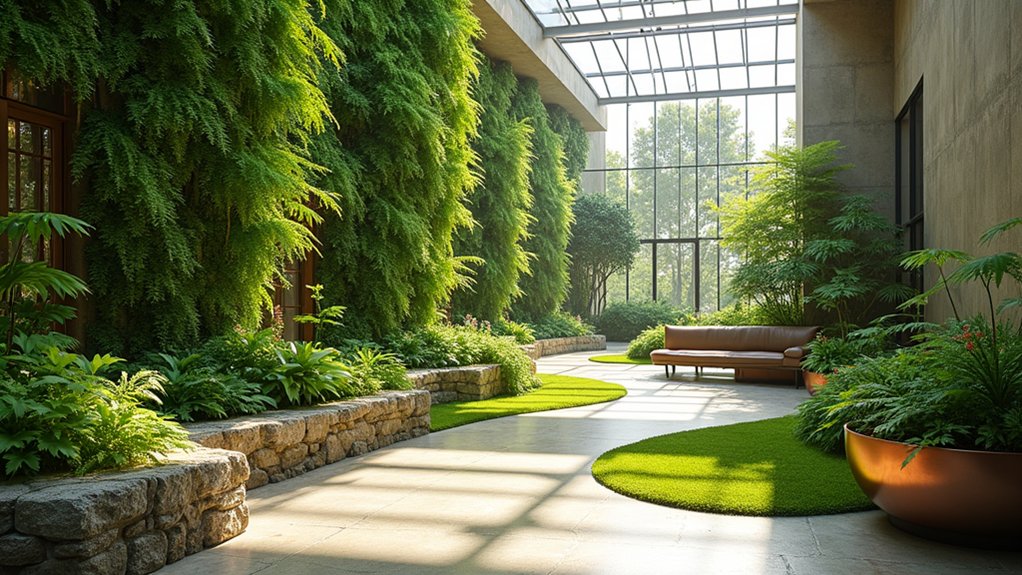
Living walls deliver clear benefits—from improved air quality to acoustic dampening—that redefine how spaces feel and function.
Green facade aesthetics elevate brand perception and curb appeal while enabling seasonal versatility and energy efficiency.
For venues, prioritize scalable maintenance plans that balance ongoing liveliness with reliability, so the skin of your space remains striking and sustainable.
Living Wall Benefits
A living wall delivers immediate indoor environmental benefits by enhancing air quality, moderating temperature, and reducing noise. It also creates a biologically rich backdrop that connects occupants with nature. You’ll leverage these advantages to shape healthier work and learning environments, while preserving aesthetic discipline.
From a strategic standpoint, prioritize plant selection that matches light, moisture, and usage patterns to sustain performance with minimal intervention. Effective design integrates irrigation efficiency, drainage control, and accessible maintenance pathways to minimize disruption.
When evaluating spaces, quantify benefits like CO2 reduction and perceived comfort to justify ROI to stakeholders.
Focus on long-term resilience by scheduling routine checks for leaks, nutrient levels, and root containment. Prioritize maintenance tips that support consistent vigor, reduce downtime, and preserve the intended Living wall aesthetics.
Green Facade Aesthetics
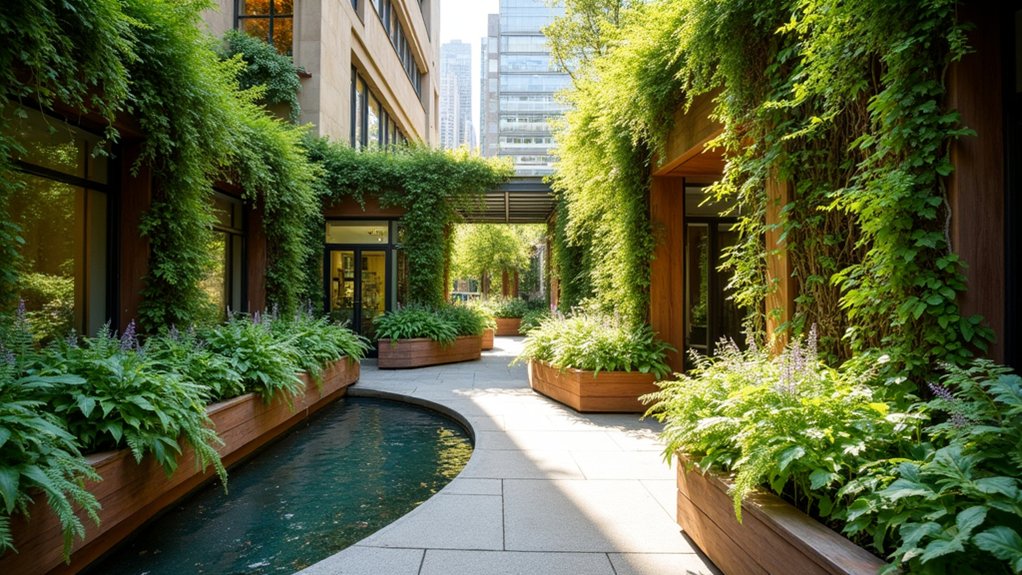
Green facades act as the building’s natural skin, blending structure with living texture to elevate curb appeal and microclimates alike. You harness vertical gardens to maximize green coverage without sacrificing footprint, creating a breathable envelope that cools interiors and signals sustainability.
Prioritize species selection for local climate, ensuring seasonal color and low maintenance. Integrate moss art as focal points to soften edges and add tactile contrast, while preserving acoustic benefits.
Choose modular systems with scalable growth, enabling rapid installation and iterative design updates. Consider irrigation efficiency, using drip or moisture-responsive controls to minimize waste.
Align façade aesthetics with wayfinding and branding, so the living skin becomes a strategic extension of your identity. You’ll achieve a resilient, premium, biodiverse exterior that attracts tenants, visitors, and investors.
Maintenance For Venues
1) Schedule regular inspections and timely interventions for irrigation, drainage, and structural supports to prevent failures.
2) Implement venue cleaning and pest control protocols that protect plant health without disrupting audience flow.
3) Align maintenance cycles with seasonal growth, supplier availability, and budget forecasts to sustain consistent visual impact.
This disciplined approach sustains performance, reduces risk, and guarantees your biophilic installations remain the natural skin of your spaces.
Daylight-First Layouts: Designing for Bright, Circadian Productivity
Daylight-first layouts harness natural light to drive circadian-aligned productivity, guiding space planning from entrances toward glazing and shade-smart zones. You design corridors, work zones, and collaboration areas around sun paths, guaranteeing daylight penetrates deep into spaces while minimizing glare.
Prioritize window/clerestory placement, operable shading, and reflective interiors that amplify light without sacrificing comfort. Consider scheduling and task location to align with changing daylight: brighter zones for high-focus tasks, softer daylight for meetings and breaks.
Integrate indoor air quality strategies and assure continuous ventilation near daylight-rich areas, preventing stale zones. Use sustainable lighting as a complement—LEDs with tunable white, occupancy sensors, and smart controls maintain circadian balance when natural light varies.
This approach supports energy efficiency, well-being, and sustained performance throughout the day.
Nature-Inspired Materials: Textures, Hues, and Eco-Factors
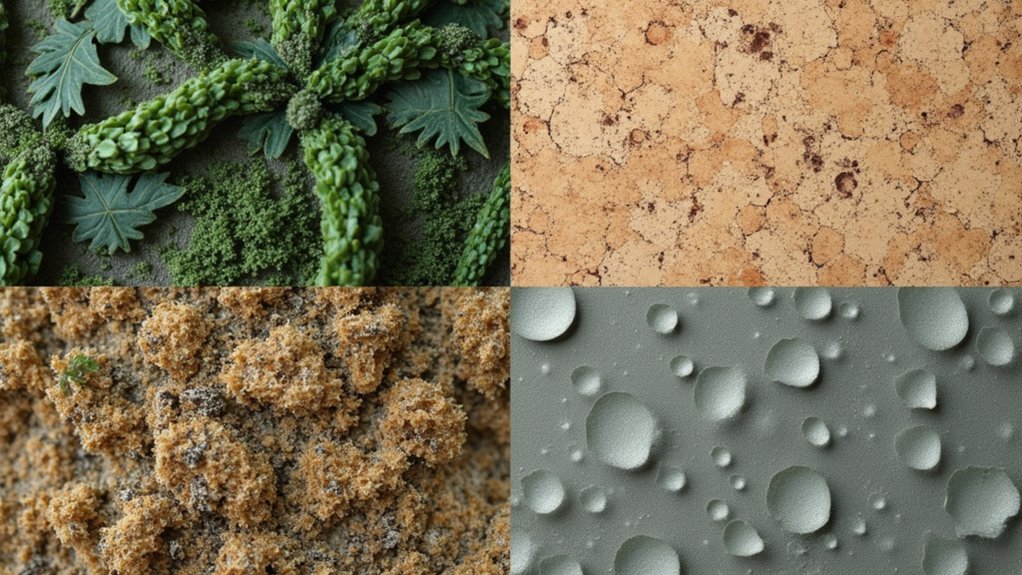
Nature-inspired materials fuse tactility with sustainability, guiding you to select textures, hues, and eco-factors that foster calm, focus, and resilience. You’ll balance material origins with performance, choosing surfaces that endure while inviting touch.
Embrace contrast through textural contrasts and cohesive color stories that echo nature. Prioritize eco-friendly finishes that reduce toxins and lifecycle impact, without sacrificing aesthetics or durability.
- Texture-forward palettes: combine rough + smooth to create depth, signaling tactility and care.
- Earthy hues: lean into mineral tones, greens, and soft blues to ground spaces and support focus.
- Informed sustainability: source responsibly, prioritize renewables, and document lifecycle benefits for stakeholders.
This approach positions your spaces as deliberate, resilient, and visually coherent, aligning form with responsible function.
Biophilic Tech: Smart Sensors for Living, Healthy Spaces
Smart sensors turn biophilic design from concept to continuous care. In living and work environments, you deploy intelligent monitoring to maintain ideal conditions with minimal effort. These devices measure variables such as temperature, humidity, light levels, and occupancy, then translate data into actionable steps for comfort and efficiency.
You’ll integrate automation that adjusts climate, ventilation, and shading in real time, aligning interior qualities with nature-driven goals. Smart sensors empower proactive maintenance, reducing energy waste while supporting well-being.
Emphasize air quality as a core metric; precise sensors track particulates, CO2, and volatile compounds, triggering remediation when thresholds are crossed. Use centralized dashboards to visualize trends, set alert protocols, and show stakeholders how biophilic tech sustains healthy spaces.
This approach scales from individual rooms to entire facilities, delivering measurable outcomes.
Nature Sounds and Quiet Corners: Calming, Focus-Friendly Soundscapes
Nature soundscapes can sharpen focus and reduce distraction, so you’ll want to curate quiet corners that invite sustained attention.
Pair these sound environments with thoughtfully placed seating and soft lighting to cultivate calm spaces that support deep work.
Consider how predictable, natural audio patterns and minimal interruptions influence mood, cognition, and overall productivity.
Nature Soundscapes For Focus
The best way to sharpen focus is to curate soundscapes that align with your work rhythms, and nature-inspired audio can play a pivotal role. In Nature Soundscapes For Focus, you leverage acoustic ecology to inform what you hear, ensuring sounds support concentration rather than distraction. Use sound masking strategically to reduce intrusive noises and preserve cognitive bandwidth.
- Align tracks with your peak productivity times, swapping cycles as needed.
- Layer gentle natural tones—water, wind, distant birds—to create consistent foreground cues.
- Calibrate volume and pacing to minimize cognitive load and sustain alertness.
Quiet Corners, Calm Spaces
Silent spaces can sharpen focus when the right sounds create a calm perceptual field; nature-inspired audio in Quiet Corners helps you shield attention from distractions while preserving cognitive energy.
In practice, design Quiet Corners as intentional havens: low clutter, soft lighting, and ergonomic seating that invite prolonged concentration without fatigue. Curate soundscapes—gentle streams, rustling leaves, distant birds—that mask interruptions while sustaining mental clarity.
Integrate zen inspired decor to establish a tranquil rhythm and emphasize balance over stimulation. Pair the sanctuary with nature themed art to reinforce the outdoor connection without visual overload.
Position these spaces near work zones, ensuring accessible tech-free moments. Regularly refresh audio atmospheres to sustain novelty and engagement, making Calm Spaces a strategic driver of sustained performance and well-being.
Indoor-Outdoor Flow: Flexible Boundaries for Homes and Workplaces
Could you design spaces that blur indoors and outdoors to boost well-being and productivity? You can create flexible boundaries that invite natural light, fresh air, and seamless passages between rooms and terraces. This approach strengthens focus, collaboration, and resilience by aligning work rhythms with outdoor cues.
Prioritize durable materials, operable façades, and scalable systems that expand or contract boundaries as needed. Integrate urban agriculture where feasible to boost engagement and provide tangible wellness benefits, while encouraging outdoor living through shaded lounges and kitchen gardens.
Implement clear zones, smart controls, and consistent aesthetics to avoid sensory overload and maintain discipline.
- Establish operable walls and doors that open fully for concerts of space.
- Use durable, low-maintenance biophilic surfaces and furniture.
- Plan multi-season outdoor tasks and urban agriculture touchpoints.
Biophilic Color Palettes: Earthy Tones to Elevate Mood
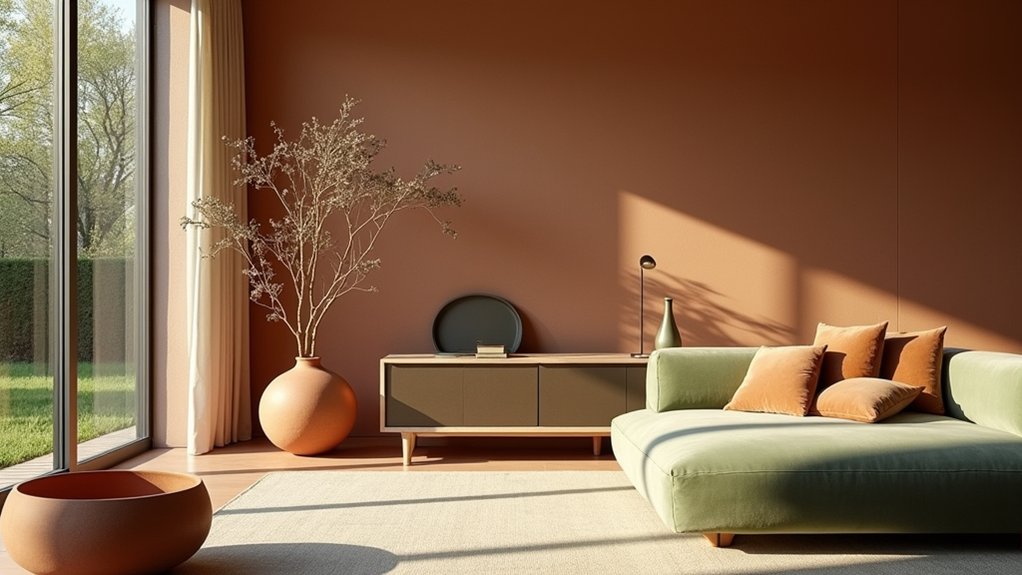
You’ll see how earthy palette psychology guides mood with grounded greens, browns, and warm ochres that foster focus and calm. Pairing these hues thoughtfully yields mood-boosting combinations—soft greens with sandy beiges for serenity, or terracotta accents against olive tones for energy with warmth.
Let’s map practical guidelines for spaces that support well-being, productivity, and timeless style.
Earthy Palette Psychology
Earthy tones aren’t just pleasing to the eye; they actively shape mood and behavior. You can leverage earthy palette psychology to foster calm, focus, and resilience. By centering colors in the soil spectrum—ochre, terracotta, moss—you trigger grounding effects that align attention with task goals and social harmony.
- Grounding effects: use warm browns and clay reds to anchor conversations and reduce cognitive load.
- Earthy contrast: pair greens with neutrals to promote clarity without visual fatigue.
- Subtle saturation: moderate depth prevents overstimulation while sustaining perceived safety and stability.
These choices support soil psychology by connecting interior spaces to natural cycles, reinforcing routine, and enhancing well-being through intentional color storytelling.
Mood-Boosting Hue Combinations
Color psychology guides your choices: greens calm the nervous system, browns anchor attention, and muted yellows spark gentle optimism without overstimulation. Use low-saturation greens as wall or seating hues, with terracotta accents in textiles or decor frames to create contrast that’s inviting, not loud.
Balance is key for mood enhancement: introduce a cool blue-gray as a stabilizing focal point and reserve bold accents for highlights. Apply this palette in work zones to sustain productivity, and in retreat areas to refresh cognition.
Implement thoughtfully, document outcomes, and adjust for lasting biophilic impact.
Wellness Zoning: Designing for Movement, Rest, and Recovery
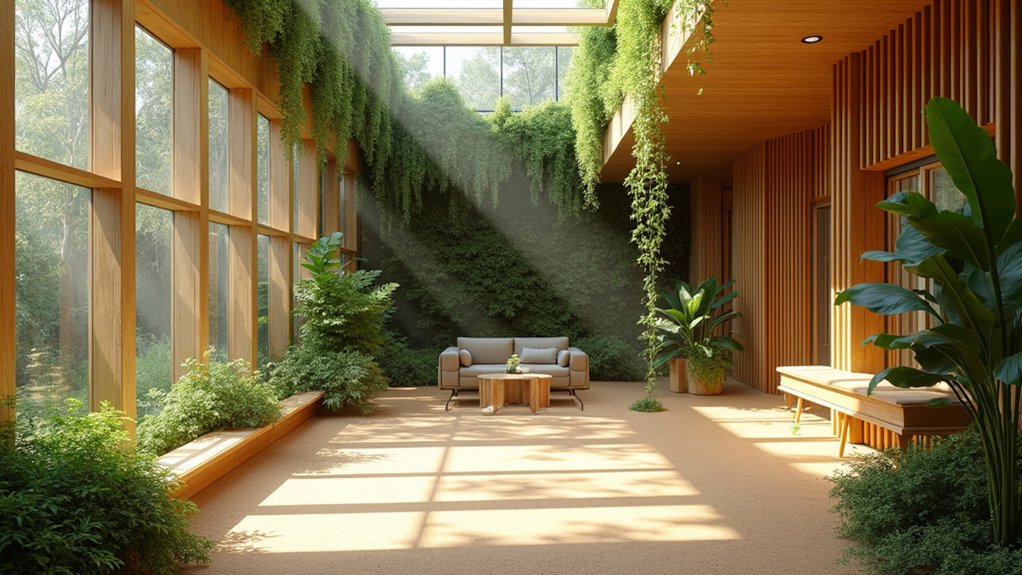
Where should spaces dedicated to movement, rest, and recovery live within a work or living environment? You design Wellness Zoning to support cyclical energy—movement to stimulate, rest to recover, recovery to consolidate.
Integrate with intent: routes that invite short activity breaks, quiet zones for recharge, and restorative nooks that reduce cognitive load. Prioritize natural lighting design to guide mood shifts, and use urban foraging-inspired greenery to soften edges and invite tactile interaction.
Align zones with performance goals, traffic flow, and acoustic zoning so attention isn’t fragmented. Create flexibility for both individual focus and collaborative refreshment, ensuring scalable options as needs evolve.
- Define move-rest-recover zones and clear progressions.
- Use sit-to-stand and micro-break stations with visible cues.
- Layer daylight, greenery, and texture for immersion.
Quick Wins and Case Studies: Budget-Friendly Implementation Guide
Quick wins prove you don’t need a big budget to move Wellness Zoning forward. You’ll captivate stakeholders by prioritizing practical, scalable actions with measurable impact.
Start with micro-initiatives: reframe underused corners, add low-cost greenery, and install simple, modular planters. Use urban foraging cues—seasonal edibles or edible ornamentals—to cultivate engagement without hefty sourcing.
Elevate spaces with botanical art placements that tell a clear story about wellness, biodiversity, and local identity. Document outcomes in short cycles to demonstrate ROI and morale benefits.
Case studies from small offices and community hubs illustrate repeatable patterns: repurposed furniture, daylight optimization, and scent strategies through cost-efficient diffusers.
Leverage partnerships with local growers and artists to amplify reach; guarantee maintenance plans are straightforward, and scale thoughtfully across sites.
Frequently Asked Questions
How Quickly Can Biophilic Trends Deliver Measurable ROI?
You’ll see measurable ROI within months as natural integration boosts productivity and reduces absenteeism, then compounds. You maximize wellness enhancement by strategic implementation, tracking metrics early, iterating thoughtfully, and aligning with goals, budgets, and stakeholder expectations.
Which Spaces Benefit Most From Living Walls?
Living walls benefit high-traffic, collaborative spaces and reception areas most, where you boost mood and productivity; prioritize indoor greenery and natural textures to maximize impact, durability, and maintenance efficiency. You’ll transform corridors, lobbies, and meeting rooms strategically.
Do Biophilic Designs Increase Energy Costs?
Biophilic designs can reduce energy costs by improving insulation and natural cooling, though you may see higher initial expenses. You’ll benefit from Natural materials and Indoor greenery that optimize temperature, humidity, and flow, lowering long-term utility demands.
How to Measure Circadian-Friendly Lighting Effectiveness?
You measure circadian-friendly lighting by correlating timing and intensity with natural light and Sleep quality. Track circadian-relevant metrics daily, adjust for seasonal shifts, and guarantee exposure guidelines maximize Natural light while preserving Sleep quality across spaces.
Are Biophilic Elements Scalable for Small Budgets?
Biophilic elements are absolutely scalable for small budgets. You can pursue cost effective integration with modular, scalable design strategies, prioritizing core greenery, natural light cues, and affordable textures to create a lush, strategic environment without overspending.
Conclusion
As you harness these 2026 biophilic trends, your spaces become living partners, not just shells. You’ll sculpt daylight, textures, and greenery into a strategic rhythm that boosts mood, focus, and resilience. Think living walls as green lungs, flexible indoor-outdoor flow as breath, and color palettes that quiet the nervous system. Implement with intention, measure with care, and scale with momentum. The result? Spaces that feel inevitable—healthy, productive, alive—and ready to perform with you.